We're loading the full news article for you. This includes the article content, images, author information, and related articles.
President William Ruto confirms a new tax plan raising the taxable income threshold to KSh 30,000, promising relief for millions of struggling Kenyans.
President William Ruto has delivered on a key campaign promise, confirming a significant shift in the country’s tax policy that will see millions of low-income earners exempted from Pay As You Earn (PAYE). In a move aimed at cushioning Kenyans against the biting cost of living, the President announced that the taxable income threshold will be raised from KSh 24,000 to KSh 30,000.
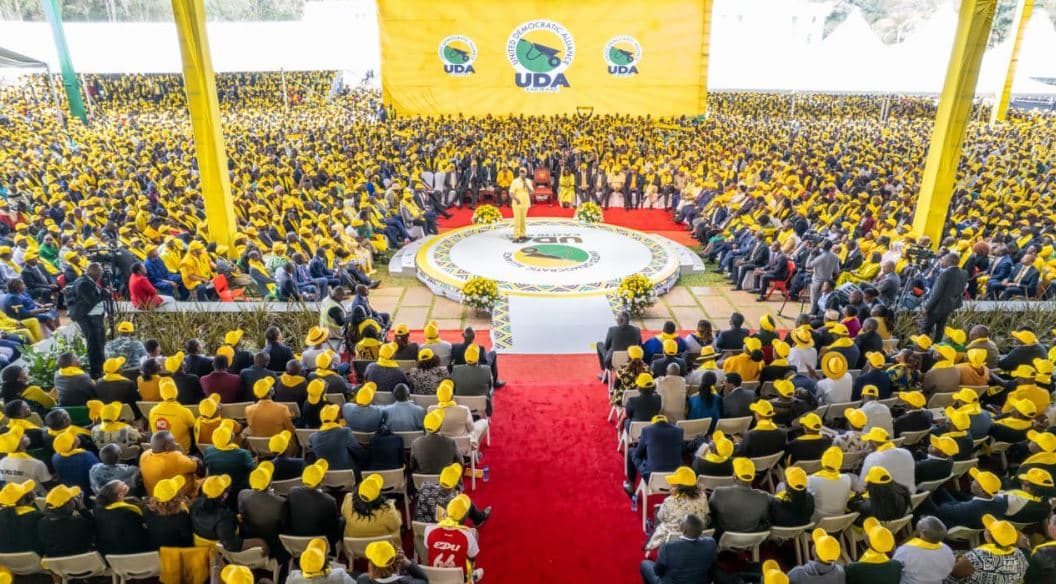
Speaking at State House, Nairobi, while hosting UDA aspirants, a confident Ruto declared that the "Bottom Up" economic model was transitioning from a political slogan to a tangible reality for the Kenyan workforce. The new directive means that any Kenyan earning KSh 30,000 or less will effectively take home their full salary without income tax deductions. This policy adjustment is expected to offer immediate financial relief to approximately 1.5 million workers who have been grappling with inflation and reduced purchasing power.
The President's announcement is a strategic move to shore up support among his core base—the "hustlers." By raising the tax bracket, the government is acknowledging the economic strain on the lower middle class. "We are now saying that any Kenyan who earns less than KSh 30,000 will not pay any taxes," Ruto affirmed. Furthermore, those earning between KSh 30,000 and KSh 50,000 will see their tax rate reduced from 30% to 25%, a progressive step designed to increase disposable income across the board.
Treasury Cabinet Secretary John Mbadi had earlier hinted at these reforms, revealing that the government intends to cap the top PAYE rate at 30%, down from the punitive 32.5% and 35% bands that had been introduced previously. The strategy is clear: put more money in people's pockets to stimulate consumption and drive economic growth from the bottom up.
For the average worker in Industrial Area or a teacher starting their career, this change is not just a statistic; it is a lifeline. A worker earning KSh 30,000 who previously parted with a chunk of their income to the taxman will now retain that amount for rent, food, and school fees. The move also challenges critics who have accused the Kenya Kwanza administration of over-taxation.
"One and a half million working Kenyans will not pay any taxes, and another 500,000 will have their taxes reduced," Ruto stated. As the Finance Bill 2026 takes shape, these proposals will be the centerpiece of the government's legislative agenda, signaling a pivot towards welfarism in a bid to stabilize the restless electorate.
Keep the conversation in one place—threads here stay linked to the story and in the forums.
Sign in to start a discussion
Start a conversation about this story and keep it linked here.
Other hot threads
E-sports and Gaming Community in Kenya
Active 10 months ago
Popular Recreational Activities Across Counties
Active 10 months ago
The Role of Technology in Modern Agriculture (AgriTech)
Active 10 months ago
Investing in Youth Sports Development Programs
Active 10 months ago
Key figures and persons of interest featured in this article