We're loading the full news article for you. This includes the article content, images, author information, and related articles.
President Ramaphosa unleashes the army to combat the existential threat of illegal mining syndicates and gang violence terrorizing the nation.
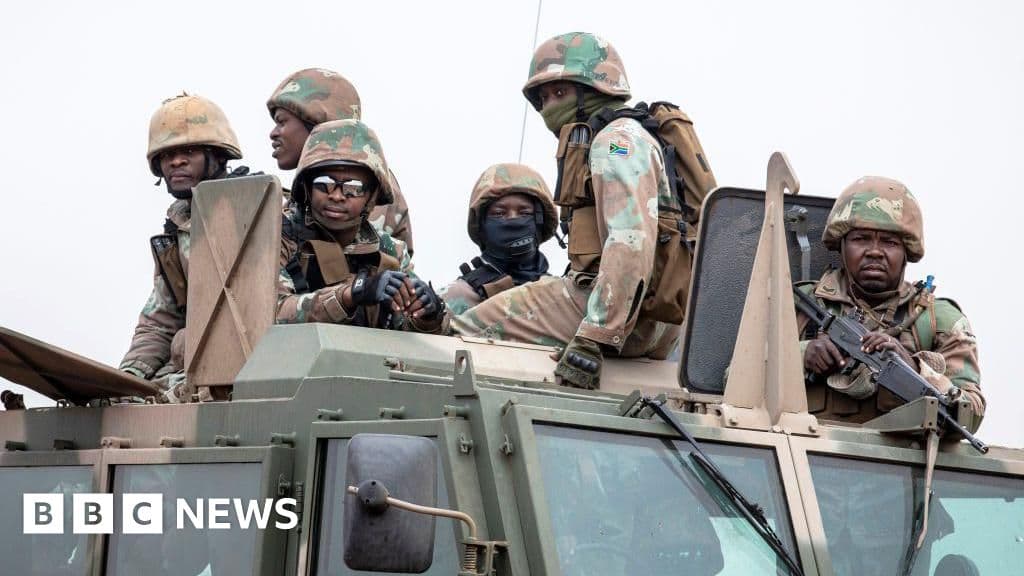
South Africa has taken the drastic step of deploying the military to its streets, a clear admission that the country's police force is no longer capable of containing the tidal wave of organized crime threatening the state's stability.
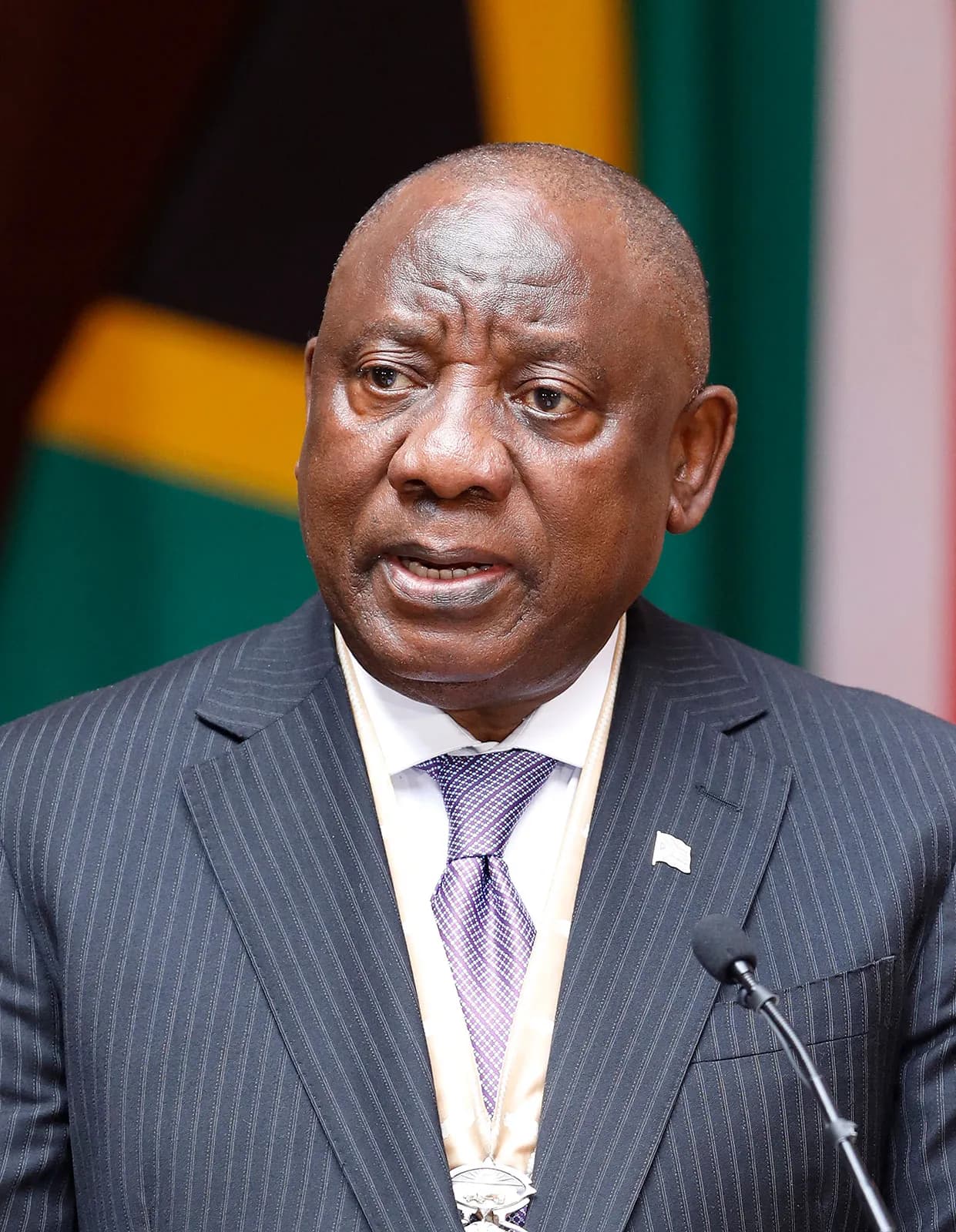
In his State of the Nation Address (SONA), President Cyril Ramaphosa declared organized crime "the most immediate threat to our democracy." The deployment of the South African National Defence Force (SANDF) targets two specific, festering wounds in the nation's security landscape: the gang-ravaged townships of the Western Cape and the lawless, violent world of illegal mining in Gauteng.
The illegal miners, known locally as "zama zamas" (those who take a chance), have evolved from desperate artisans into heavily armed syndicates. They operate in the labyrinthine tunnels of abandoned gold mines, waging turf wars that frequently spill over into residential areas, resulting in mass shootings and a climate of terror. These groups are accused of costing the economy over $3 billion annually in lost gold revenue, but the human cost—measured in lives and fear—is far higher.
The President's directive is blunt: the army will provide the firepower and logistical support necessary to flush these syndicates out. "The cost of crime is measured in lives lost and futures cut short," Ramaphosa said, signaling that the government is shifting from a law enforcement approach to a quasi-military operation.
While the deployment has been welcomed by besieged communities, security analysts view it with caution. The use of the military in domestic policing is a measure of last resort, often indicating a failure of intelligence and police capability.
As armored vehicles roll into the Cape Flats and the mining belts of Johannesburg, South Africa stands at a precipice. The militarization of the fight against crime may bring a temporary peace, but it also underscores the depth of the crisis facing the Rainbow Nation. The army can suppress the symptoms, but whether it can cure the disease of crime rooted in poverty and corruption remains the ultimate question.
Keep the conversation in one place—threads here stay linked to the story and in the forums.
Sign in to start a discussion
Start a conversation about this story and keep it linked here.
Other hot threads
E-sports and Gaming Community in Kenya
Active 9 months ago
The Role of Technology in Modern Agriculture (AgriTech)
Active 9 months ago
Popular Recreational Activities Across Counties
Active 9 months ago
Investing in Youth Sports Development Programs
Active 9 months ago
Key figures and persons of interest featured in this article