We're loading the full news article for you. This includes the article content, images, author information, and related articles.
COTU boss throws weight behind President’s ambitious economic blueprint, declaring workers won’t be “held hostage by short-term thinking” as critics question the plan's timing and impact on the common Mwananchi.
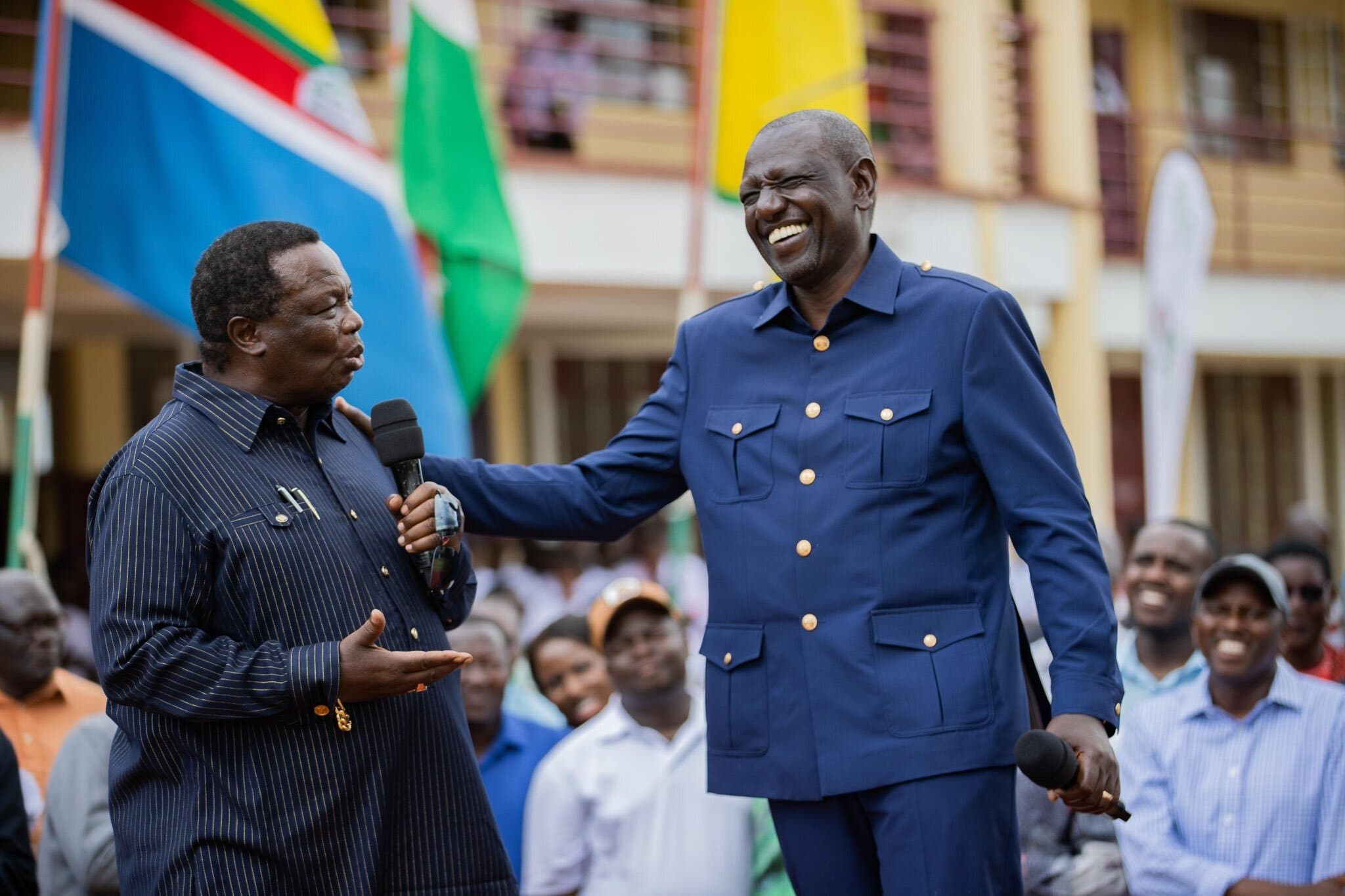
Central Organisation of Trade Unions (COTU) Secretary-General Francis Atwoli has forcefully endorsed President William Ruto’s ambitious KES 5 trillion plan to model Kenya’s economy on Singapore’s, positioning the nation’s workforce behind the controversial long-term strategy. Atwoli declared that Kenyan workers refuse to be “held hostage by short-term thinking and reactionary politics” that threaten to derail the country's future.
The endorsement injects a powerful voice from the labour movement into a heated national debate over the President’s vision, which aims to transform Kenya into a First World economy through massive infrastructure spending. For the average Kenyan worker, already navigating a landscape of increased deductions and a high cost of living, the core question remains: is this a roadmap to prosperity or a costly detour from immediate bread-and-butter issues?
At the heart of the President's agenda is the newly approved National Infrastructure Fund (NIF) and a Sovereign Wealth Fund (SWF). These financial vehicles are designed to marshal KES 5 trillion (approx. $38.5 billion) to overhaul Kenya’s infrastructure without, the government insists, imposing new taxes. Presidential economic advisor David Ndii and Treasury Cabinet Secretary John Mbadi have stated the funds will be capitalized through the sale of state-owned enterprises.
The administration's goal is to mirror the rapid economic ascent of Asian Tigers like Singapore. The roadmap rests on four key pillars:
Atwoli lauded the President for his “boldness, clarity of thought, and vision,” arguing that no Kenyan leader since independence has pursued transformation with such decisiveness. He urged critics to visit Singapore and Malaysia to witness how long-term planning can elevate living standards.
Despite the grand vision, the plan has been met with significant scepticism. Critics argue it ignores the immediate economic pain felt by millions. For many Kenyans, the gap between the “Singapore Dream” and the price of unga has never felt wider. Economic experts from local think tanks like the Institute of Economic Affairs have warned that Singapore's success was built on pillars Kenya struggles with, namely zero tolerance for corruption and a highly efficient civil service.
Kiharu MP Ndindi Nyoro has emerged as a vocal critic, questioning the timing of the massive fund. Nyoro pointed out the government's existing financial strains, such as the struggle to confirm 20,000 Junior School teachers on permanent terms, and argued for focusing on growing the economy to increase revenue first. Others have called the plan a “misplaced priority” and a “raw deal” that risks mortgaging the nation’s strategic assets for projects whose benefits may not be immediate.
Mr. Atwoli’s support for the infrastructure plan comes even as his own relationship with the administration's policies has shown nuance. He has previously clashed with the government over the implementation of the 1.5% Housing Levy, another mandatory deduction from workers' salaries. Initially, Atwoli raised alarms that the levy was being diverted to build markets and other infrastructure, contrary to its purpose of constructing affordable homes.
However, following a meeting with President Ruto, Atwoli announced that an agreement had been reached. The deal reportedly ensures housing funds will be ring-fenced for housing projects, prioritises salaried contributors for allocation, and reduces the required deposit from 10% to 5%. This episode highlights the delicate balance between supporting a long-term vision and defending the immediate financial interests of workers whose payslips are shrinking.
While the government has signed a Bilateral Investment Treaty and a Double Taxation Agreement with Singapore to encourage trade, a specific labour export deal remains unannounced. The administration's broader strategy to export Kenyan labour to plug unemployment is itself a contentious issue, seen by some as an admission of failure to create jobs at home.
As President Ruto bets his legacy on this high-stakes economic transformation, the nation remains divided. For Atwoli and the government, it is a necessary, visionary leap. For its critics, it is a gamble Kenya cannot afford. The final verdict will depend on whether the grand promises of a Singaporean future can eventually put more food on the Kenyan table.
Keep the conversation in one place—threads here stay linked to the story and in the forums.
Sign in to start a discussion
Start a conversation about this story and keep it linked here.
Other hot threads
E-sports and Gaming Community in Kenya
Active 10 months ago
The Role of Technology in Modern Agriculture (AgriTech)
Active 10 months ago
Popular Recreational Activities Across Counties
Active 10 months ago
Investing in Youth Sports Development Programs
Active 10 months ago
Key figures and persons of interest featured in this article