We're loading the full news article for you. This includes the article content, images, author information, and related articles.
The move deals a blow to regional unity as Asmara accuses the bloc of bias, raising alarm in Nairobi over potential conflict on the Horn.

Eritrea has once again slammed the door on the Intergovernmental Authority on Development (IGAD), shattering hopes for a unified Horn of Africa just two years after rejoining the bloc.
The withdrawal, announced Friday, is more than a diplomatic snub; it signals a dangerous escalation in the simmering feud between Asmara and Addis Ababa, leaving Kenya and its neighbors scrambling to prevent a diplomatic rift from turning into a shooting war. For the average Kenyan, this fracture in regional leadership threatens to destabilize the trade corridors and security buffers that protect East Africa’s economy.
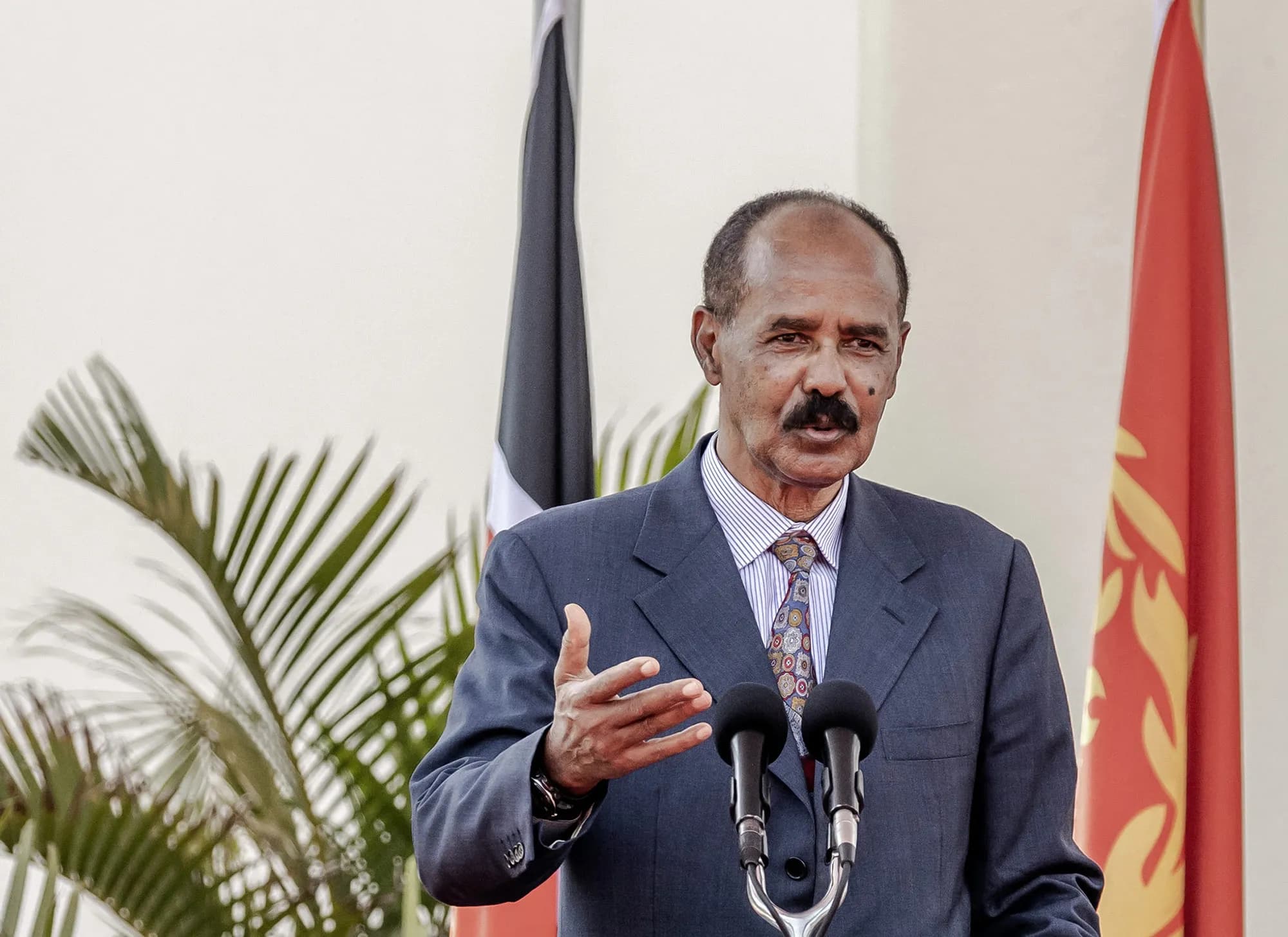
In a sharp rebuke issued from Asmara, the Eritrean Foreign Ministry accused the regional body of having “strayed from its founding principles.” The government alleged that the organization, intended to foster stability, had instead morphed into a “tool against” specific member states—a thinly veiled reference to its bitter rival, Ethiopia.
IGAD officials in Djibouti were quick to counter the narrative. The bloc noted that despite the complaints, Eritrea had failed to table any “tangible proposals” or meaningfully engage in reform efforts since its return in 2023. The organization, which includes Kenya, Uganda, Sudan, South Sudan, Djibouti, and Ethiopia, now faces the challenge of navigating a region where one key player has chosen isolation over dialogue.
This is not the first time President Isaias Afwerki’s administration has turned its back on the region. Eritrea’s relationship with IGAD has been a revolving door of tension:
Analysts warn that this pattern of engagement and withdrawal undermines the region's ability to solve collective problems. While politicians argue in boardrooms, the humanitarian reality on the ground remains grim. Aid agencies have highlighted that severe water shortages and rising malnutrition are already placing immense strain on the region's most vulnerable populations—crises that require a united front to solve.
For Kenya, the stakes are high. As a diplomatic anchor in the region, Nairobi relies on IGAD to manage cross-border security and facilitate trade. A fractured IGAD weakens the collective leverage needed to mediate between Prime Minister Abiy Ahmed of Ethiopia and President Afwerki.
With tensions rising, the fear is that a lack of diplomatic channels could allow the war of words to spiral. As the region braces for the fallout, the question remains: can East Africa maintain stability when one of its most militarized nations refuses to sit at the table?
Keep the conversation in one place—threads here stay linked to the story and in the forums.
Sign in to start a discussion
Start a conversation about this story and keep it linked here.
Other hot threads
E-sports and Gaming Community in Kenya
Active 10 months ago
The Role of Technology in Modern Agriculture (AgriTech)
Active 10 months ago
Popular Recreational Activities Across Counties
Active 10 months ago
Investing in Youth Sports Development Programs
Active 10 months ago
Key figures and persons of interest featured in this article