We're loading the full news article for you. This includes the article content, images, author information, and related articles.
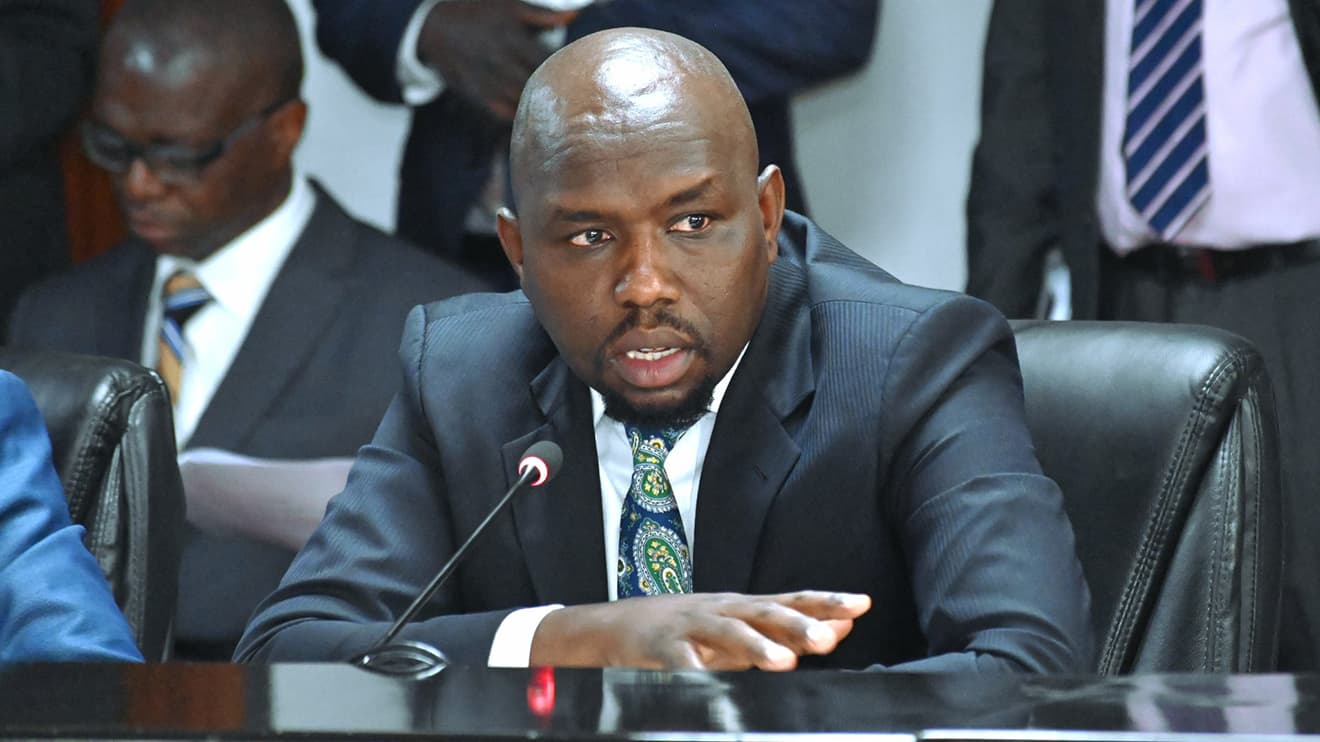
A startling admission by Interior Cabinet Secretary Kipchumba Murkomen that politicians actively fund criminal gangs has triggered severe backlash, spotlighting the weaponization of youth in Kenyan politics.
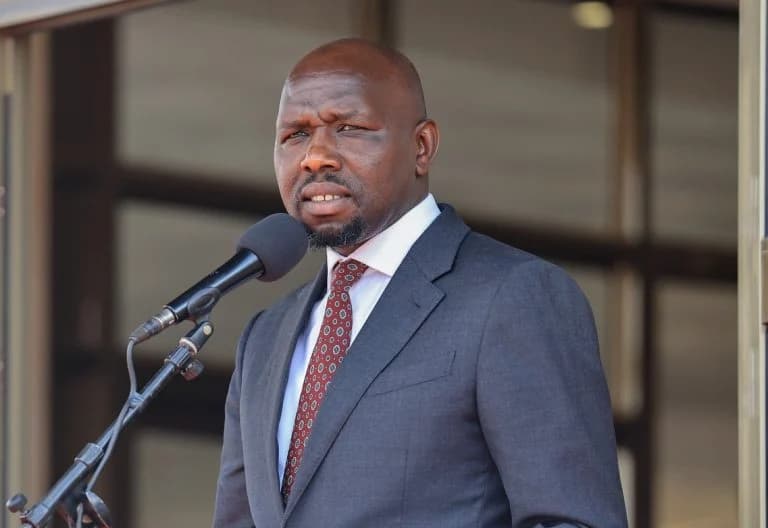
A startling admission by Interior Cabinet Secretary Kipchumba Murkomen that politicians actively fund criminal gangs has triggered severe backlash, spotlighting the weaponization of youth in Kenyan politics.
The intersection of politics and organised crime in Kenya is a poorly kept secret, but public acknowledgment by the nation’s top security official has fundamentally shifted the discourse. The state has essentially admitted to its own complicity in urban terror.
Appearing before the Senate, Interior CS Kipchumba Murkomen explicitly identified regions like Kitengela as hotspots for criminal gangs that are actively financed and deployed by political actors to instigate violence.
Murkomen’s statements were intended to serve as a stern warning against the political agitation of armed youth. However, for legal scholars and civil society, the admission represented a catastrophic collapse of institutional accountability. Prominent constitutional lawyer Koki Muli unleashed a scathing critique, arguing that the Interior Ministry’s mandate is to arrest and prosecute the financiers of terror, not merely narrate the problem to Parliament.
The weaponisation of desperate, unemployed youth into "goons for hire" is a cyclical tragedy that peaks during electioneering periods and political protests. These state-adjacent gangs operate with terrifying impunity, often clashing with officially sanctioned police forces, resulting in widespread brutality and loss of innocent life. When a Cabinet Secretary acknowledges their existence without announcing high-level arrests, it signals a dangerous regulatory paralysis.
Kitengela, a rapidly expanding satellite town bordering Nairobi, was singled out as a critical battleground. For over 15 years, the town has grappled with heavily armed syndicates enforcing political mandates, extorting businesses, and suppressing democratic dissent. The financial toll on local enterprises is immense, as parallel "taxes" are exacted by these politically protected cartels.
The broader implications for Kenya's democratic health are chilling. If law enforcement agencies are politically compromised or hesitant to act against sitting politicians financing these gangs, the monopoly on violence shifts from the state to rogue actors. This dynamic terrifies investors and destabilises the macroeconomic environment.
The Kenya Kwanza administration is facing mounting pressure over increased reports of police brutality and extrajudicial enforcement. Defending the regime’s record, Murkomen attempted to differentiate between genuine policing and politically instigated chaos. However, critics argue this is a semantic distraction from the government's core failure.
"I was shocked when the minister of interior stood before the Senate and admitted that politicians are hiring goons. We know, but what are you doing about it?" Muli demanded. Her question echoes across the republic, serving as a definitive litmus test for the administration’s commitment to the rule of law.
Keep the conversation in one place—threads here stay linked to the story and in the forums.
Sign in to start a discussion
Start a conversation about this story and keep it linked here.
Other hot threads
E-sports and Gaming Community in Kenya
Active 9 months ago
The Role of Technology in Modern Agriculture (AgriTech)
Active 9 months ago
Popular Recreational Activities Across Counties
Active 9 months ago
Investing in Youth Sports Development Programs
Active 9 months ago
Key figures and persons of interest featured in this article