We're loading the full news article for you. This includes the article content, images, author information, and related articles.
Algeria is strategically rebuilding ties with Niger and Burkina Faso through economic aid, while relations with Mali remain stalled by deep-seated mistrust.

The geopolitical landscape of the Sahel is shifting as Algeria moves to mend fences with two key members of the Alliance of Sahel States, even as its relationship with Bamako remains anchored in deep-seated mutual suspicion. For Algiers, the diplomatic pivot is a strategic necessity to retain regional influence amid encroaching competition from Morocco and other external powers.
The Alliance of Sahel States—a confederation formed by Mali, Niger, and Burkina Faso following their collective withdrawal from the Economic Community of West African States—now faces its most significant test of internal cohesion. While Niamey and Ouagadougou have embraced a pragmatic thaw in relations with their northern neighbor, Mali remains an outlier, clinging to a posture of firm resistance. This divergence exposes the delicate tension between the bloc’s stated goal of sovereign unity and the distinct national interests of its member states.
The current diplomatic crisis traces its origins back to April 2025, when the Algerian military downed a Malian drone near the shared border at Tinzaouatine. The incident, which both sides interpreted as a violation of sovereignty, precipitated a rapid deterioration in relations. All three AES nations withdrew their ambassadors from Algiers in solidarity, and the diplomatic channel effectively collapsed. For Bamako, the event was not merely a military incident but a confirmation of perceived Algerian interference in Mali's internal security affairs—a suspicion rooted in the historical breakdown of the 2015 Algiers Accord.
The collapse of the Algiers Accord, which had previously served as the bedrock of mediation in northern Mali, left a void that Bamako has sought to fill with its own sovereign military operations, often supported by Russian partners. Algeria, long viewing the Sahel as a natural extension of its own security perimeter, found itself marginalized as its traditional mediation tools were rejected by the junta in Bamako. The subsequent accusations from Malian officials, who have characterized Algeria as a harbor for separatist groups, have solidified a deadlock that shows few signs of breaking.
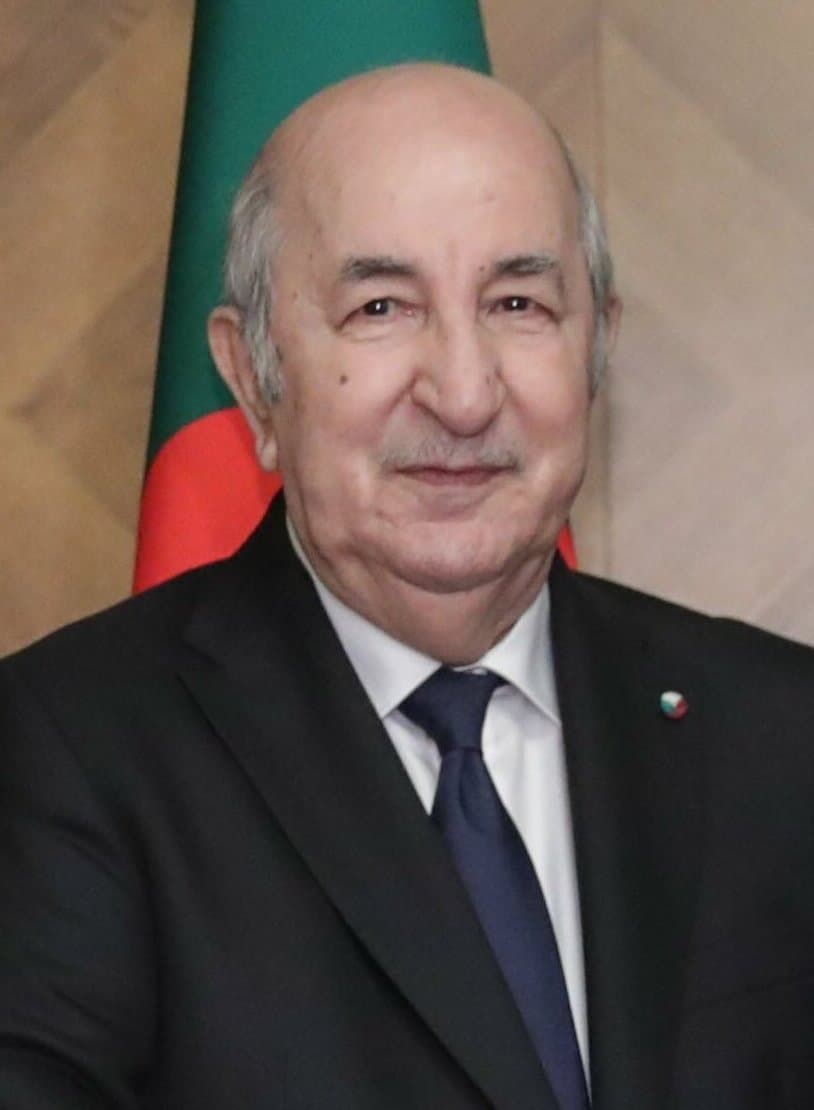
In contrast to the frostiness with Bamako, Algiers has successfully courted Niger and Burkina Faso through a campaign of tangible economic engagement. President Abdelmadjid Tebboune of Algeria has pivoted toward energy diplomacy to reconstruct these vital regional bridges. The strategy is clear: provide the material benefits that the military juntas in Niamey and Ouagadougou require to stabilize their domestic economies.
For the Alliance of Sahel States, the Algerian overture creates a strategic dilemma. If Niger and Burkina Faso deepen their economic and security ties with Algiers without Bamako, it threatens to erode the confederation’s image as a unified diplomatic actor. The AES project was built on the premise of collective sovereignty and rejection of foreign mandates however, the reality of the Sahelian crisis demands resources and partnerships that only regional heavyweights like Algeria can realistically offer in the short term.
The situation serves as a stark lesson for other regional blocs, including the East African Community, where security coordination often conflicts with bilateral interests. Just as the EAC faces challenges in harmonizing the security postures of member states regarding the volatility in the Horn of Africa, the AES is finding that shared ideological rejection of ECOWAS is insufficient to manage the complexities of neighboring state power dynamics. The ability of the AES to maintain a united front while pursuing disparate bilateral agendas will determine whether it evolves into a durable institution or remains a reactive coalition of convenience.
While the thaw with Niger and Burkina Faso signals a return to a more traditional form of regional influence for Algeria, it does not erase the fundamental mistrust emanating from Bamako. The Malian authorities remain skeptical of Algiers' intentions, fearing that any engagement could undermine their hard-won autonomy. As Algeria positions itself to counter Moroccan initiatives in the region, the Sahel stands at a precarious juncture.
The question for the coming months is not whether Algeria can return to the Sahel, but whether it can navigate the fractured trust of its neighbors without further destabilizing the fragile peace in the north. Whether this rapprochement will eventually encompass Mali, or leave the AES bloc structurally divided, remains the defining unknown of the regional order.
Keep the conversation in one place—threads here stay linked to the story and in the forums.
Sign in to start a discussion
Start a conversation about this story and keep it linked here.
Other hot threads
E-sports and Gaming Community in Kenya
Active 10 months ago
Popular Recreational Activities Across Counties
Active 10 months ago
The Role of Technology in Modern Agriculture (AgriTech)
Active 10 months ago
Investing in Youth Sports Development Programs
Active 10 months ago
Key figures and persons of interest featured in this article