We're loading the full news article for you. This includes the article content, images, author information, and related articles.
Warner Bros. Discovery is betting billions on a new Harry Potter series. As production accelerates at Leavesden, fans and investors watch the 2027 premiere.

At the sprawling Leavesden Studios in the United Kingdom, a massive logistical undertaking is underway. Hundreds of crew members, digital effects technicians, and set designers are constructing the corridors of Hogwarts and the cobblestones of Diagon Alley from scratch. This is not the continuation of the legendary film franchise that concluded its cinematic run in 2011, but a systematic, decade-long reimagining of one of the most profitable intellectual properties in literary history.
For Warner Bros. Discovery, the parent company of HBO, this series is far more than a routine reboot. It represents a pivot toward an evergreen content strategy, where a single, reliable franchise anchors a streaming platform's growth for the next ten years. With a premiere window locked for early 2027, the stakes are existential: the success of this series will dictate the fiscal health of the company's content division and define the next generation's relationship with the Wizarding World.
The decision to adapt the Harry Potter books as a long-form television series was met with skepticism from die-hard fans and industry analysts alike. The original film series, which grossed over 7.7 billion dollars (approximately 1 trillion KES) globally, remains deeply embedded in the cultural zeitgeist. To succeed, HBO must navigate a delicate balance: satisfying the purists who demand fidelity to the source material, while modernizing the narrative for a demographic that views streaming content differently than cinema.
Production began in July 2025, and according to internal reports from the studio, the strategy focuses on an expanded format that allows for deeper dives into secondary storylines, character arcs, and world-building that the two-hour film constraints previously sidelined. This approach mimics the successful episodic structures of prestige dramas like Game of Thrones or The Last of Us, leveraging HBO's reputation for high-budget, high-quality storytelling.
Perhaps the most scrutinized aspect of the entire project has been the search for the new lead trio. After tens of thousands of auditions conducted worldwide, the production team has settled on a cast, including Dominic McLaughlin as Harry Potter and Arabella Stanton as Hermione Granger. These choices were not made lightly the weight of embodying roles previously defined by Daniel Radcliffe and Emma Watson is immense.
The casting process reflects a strategic shift away from established Hollywood star power, opting instead for relative newcomers who can grow with the characters over the ten-year production cycle. This is a deliberate risk mitigation strategy. By fostering the actors' development alongside the series, the production minimizes the risk of aging out of the roles—a common challenge in multi-season fantasy productions.
While the physical production is anchored in the UK, the implications for the global streaming market—including Nairobi's rapidly expanding digital media landscape—are significant. Kenya has seen a surge in high-speed internet penetration and a corresponding rise in subscribers to international streaming platforms. For a Nairobi-based viewer, the availability of such high-profile content on day one of the release is no longer a luxury but an expectation of the modern media economy.
Economists at local media consultancies suggest that the Harry Potter reboot will serve as a bellwether for the future of subscription video-on-demand services in East Africa. As platform wars intensify, global studios are looking beyond traditional Western markets to drive long-term growth. The success of this series may determine whether platforms like Max accelerate their expansion or investment in the African creative sector to bolster their libraries.
The history of rebooting successful franchises is fraught with failure. Projects like the revival of the Matrix universe or various DC comic adaptations have shown that audience nostalgia is a double-edged sword. If the HBO series fails to capture the same sense of wonder that defined the original films, it risks alienating the very audience it intends to capture. Furthermore, the reliance on an established IP highlights a broader industry trend of risk aversion—choosing known entities over original screenplays to guarantee a return on investment.
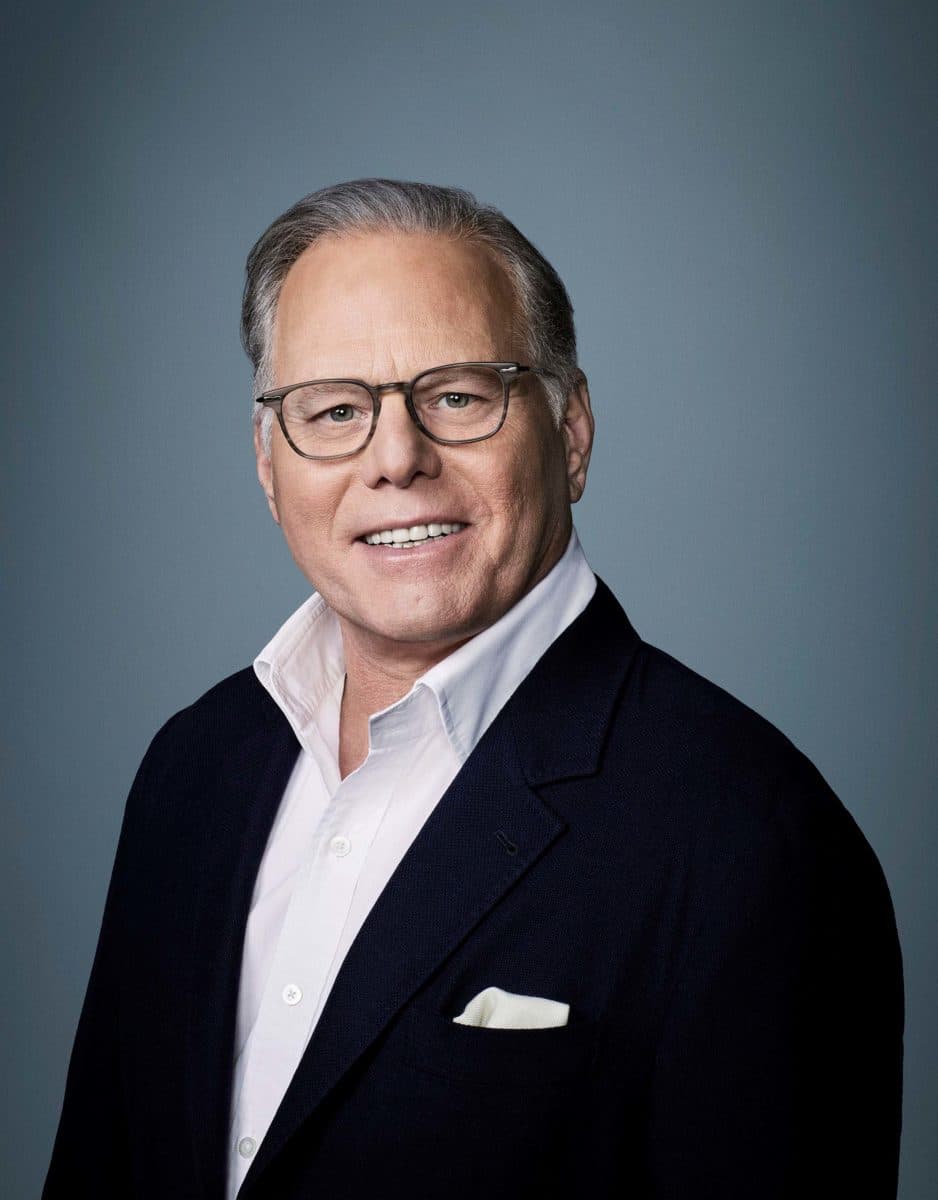
Executives at Warner Bros. Discovery, led by CEO David Zaslav, have maintained that this series is an investment in the long term, rather than a short-term cash grab. By securing the rights for an extended television run, they are effectively locking in content that will occupy the platform's promotional slate for a decade. Whether this investment will pay off remains the defining question for the company as it navigates a challenging economic environment.
As the countdown to 2027 continues, the world watches to see if magic can truly be bottled twice. The sets at Leavesden are built, the cast is finalized, and the corporate machine is in motion. For a generation that grew up with the films, and a new generation about to discover the books, the upcoming series represents more than just entertainment it is a test of whether a story can transcend its own legacy.
Keep the conversation in one place—threads here stay linked to the story and in the forums.
Sign in to start a discussion
Start a conversation about this story and keep it linked here.
Other hot threads
E-sports and Gaming Community in Kenya
Active 10 months ago
Popular Recreational Activities Across Counties
Active 10 months ago
The Role of Technology in Modern Agriculture (AgriTech)
Active 10 months ago
Investing in Youth Sports Development Programs
Active 10 months ago
Key figures and persons of interest featured in this article