We're loading the full news article for you. This includes the article content, images, author information, and related articles.
A Kileleshwa MCA's claim that Kalonzo Musyoka deliberately undermined Raila Odinga's 2007 presidential campaign has reopened one of the most painful chapters in Kenyan political history, threatening to destabilise the opposition's unity ahead of the 2027 general election.
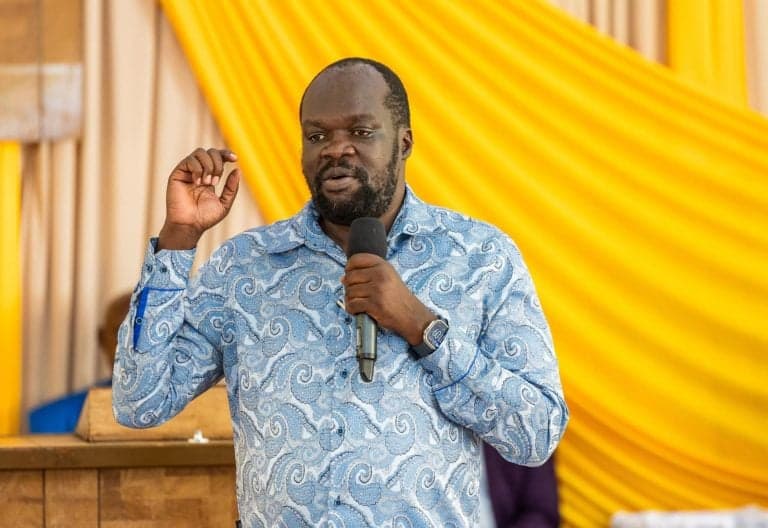
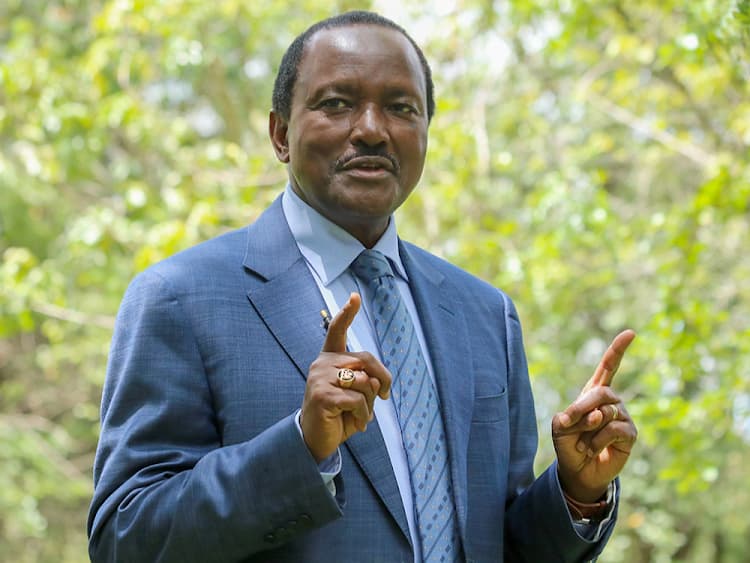
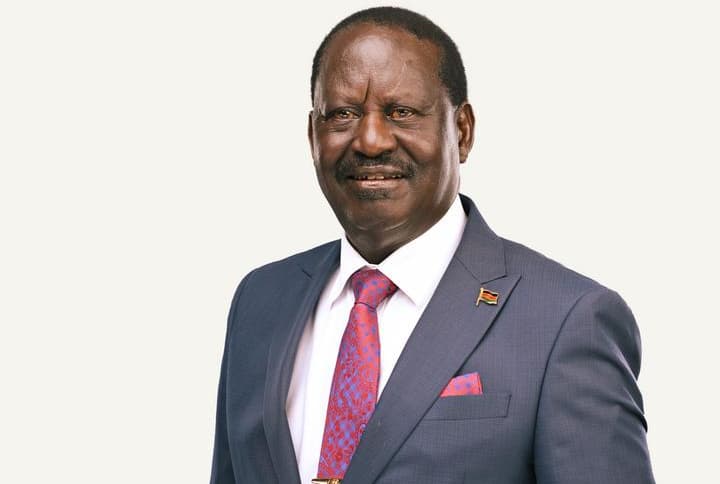
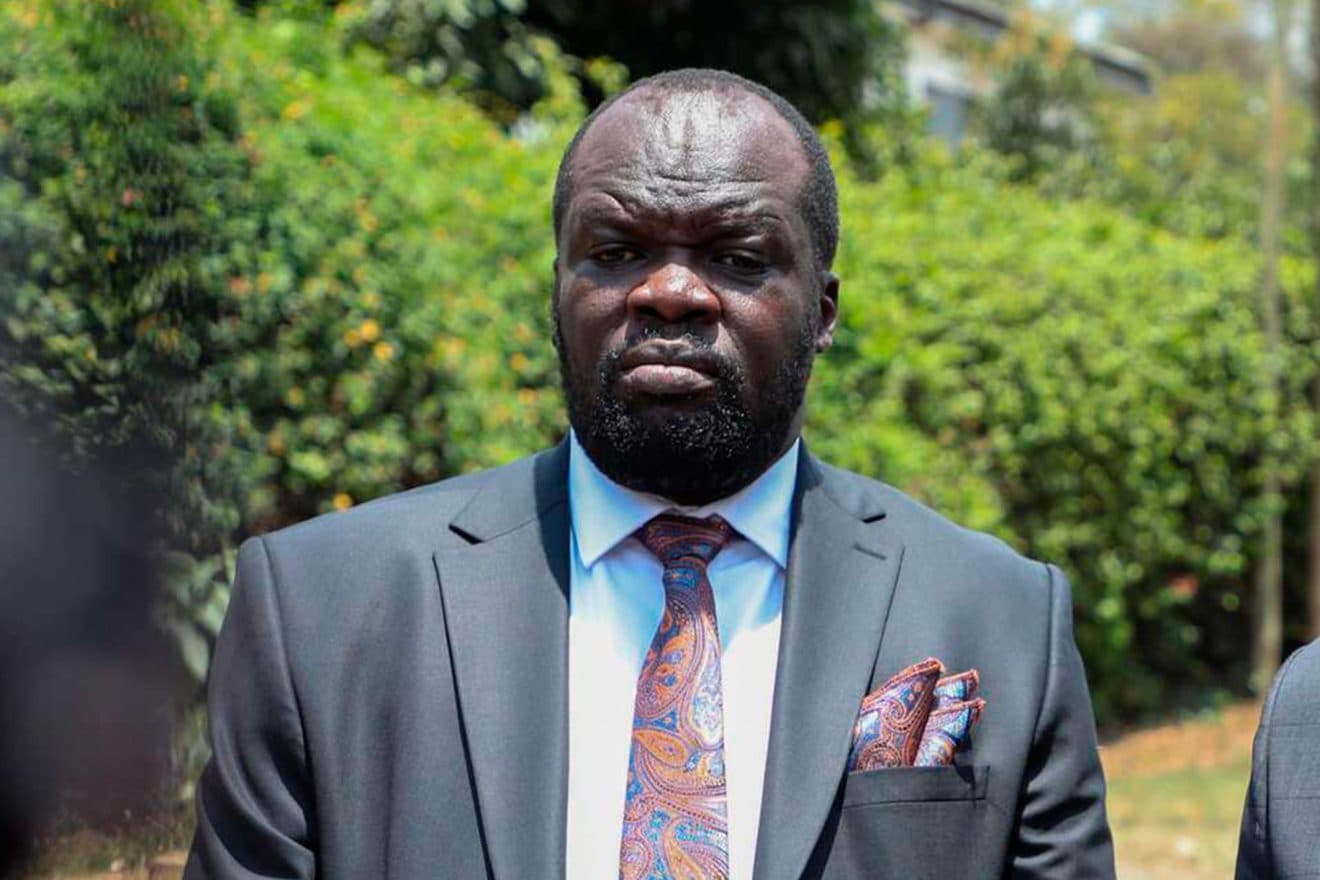
NAIROBI, Kenya – Kileleshwa Member of County Assembly Robert Alai, a prominent member of the Orange Democratic Movement (ODM), has ignited a political firestorm by accusing Wiper Patriotic Front leader Kalonzo Musyoka of intentionally sabotaging Raila Odinga's presidential bid in the contentious 2007 General Election. The allegations, made public on Friday, November 7, 2025, resurrect long-standing questions about Musyoka's political manoeuvres during a period that culminated in widespread violence and a deeply divided nation.
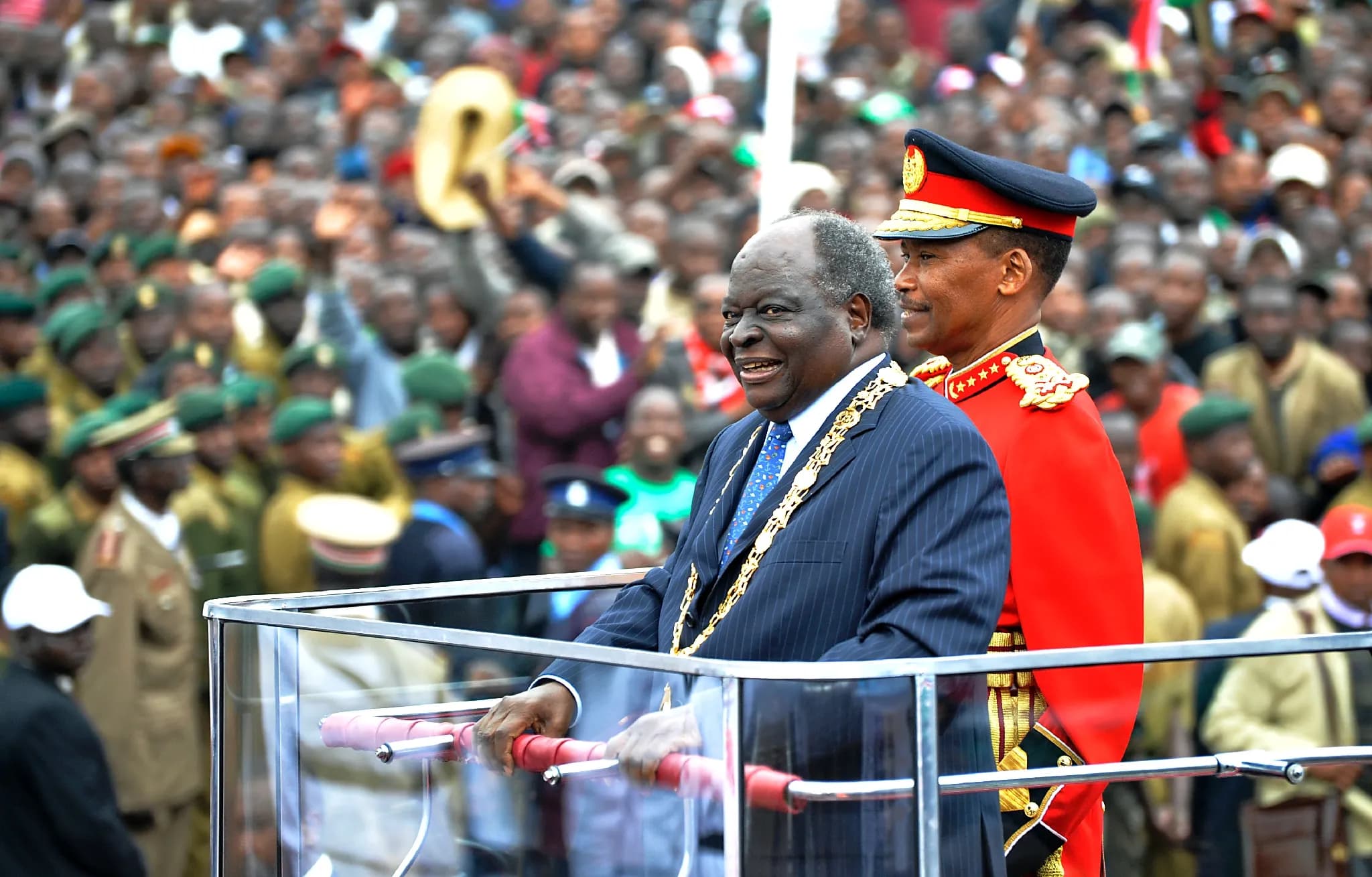
Alai, a vocal politician and former blogger, claims Musyoka's decision to run for president on an ODM-Kenya ticket was a calculated move to split the opposition vote and deny Odinga a clear path to victory. This accusation strikes at the heart of a bitter political narrative that has shadowed Musyoka for nearly two decades, casting him as a spoiler who ultimately enabled President Mwai Kibaki's disputed re-election.
The 2007 election was a watershed moment for Kenya. The political landscape was dominated by the original Orange Democratic Movement, a powerful coalition formed after the successful 'No' campaign in the 2005 constitutional referendum. This movement, however, proved unstable. In August 2007, internal rivalries, primarily between Raila Odinga and Kalonzo Musyoka, led to a schism. The party split into two main factions: the ODM, led by Odinga, and ODM-Kenya, which nominated Musyoka as its presidential candidate.
Heading into the December 27, 2007, polls, opinion polls consistently showed a tight race, with Odinga often holding a slight edge over the incumbent, Mwai Kibaki of the Party of National Unity (PNU). Musyoka was consistently polling a distant third. Critics at the time, and now Alai, argue that the votes Musyoka garnered could have been decisive for an Odinga victory in what was an exceptionally close contest.
According to the final, and heavily disputed, results announced by the now-defunct Electoral Commission of Kenya (ECK), Kibaki won with 4,584,721 votes (46.42%) against Odinga's 4,352,993 (44.07%). Kalonzo Musyoka secured 879,903 votes, representing 8.91% of the total votes cast. The ODM, however, won the most parliamentary seats, securing 99 compared to PNU's 43, a fact Odinga's supporters used to argue the presidential tally was fraudulent.
The declaration of Kibaki as the winner on December 30, 2007, plunged Kenya into its worst post-independence crisis, marked by ethnic violence that led to the deaths of over 1,000 people and the displacement of hundreds of thousands. Amid the chaos, on January 8, 2008, President Kibaki appointed Kalonzo Musyoka as his Vice-President. This move was widely interpreted by Odinga's supporters as a reward for splitting the opposition vote and legitimising a flawed election.
Musyoka has consistently defended his decision, arguing in his memoir, 'Against All Odds', that joining the government helped to quell the violence and stabilise the country. He claimed it would have been disastrous had he sided with Odinga in disputing the results, potentially extending the conflict to his strongholds in Eastern province. However, the perception of betrayal has lingered, becoming a recurring theme in his political career.
Alai's accusations come at a precarious time for Kenya's opposition. The Azimio la Umoja One Kenya Coalition, which brought Odinga and Musyoka together for the 2022 election, is already showing signs of strain. With the 2027 election cycle on the horizon, Musyoka has rebranded his party and declared his own presidential ambitions, signalling he will not play a subordinate role again. These fresh allegations could deepen mistrust and complicate any future coalition-building efforts.
Political analysts suggest the timing is strategic, possibly aimed at weakening Musyoka's position as he attempts to consolidate his base and emerge as the opposition's flagbearer. The Wiper Patriotic Front has yet to issue a formal response to Alai's claims, but the ODM politician's remarks ensure that the ghosts of 2007 will continue to haunt the key players shaping Kenya's political future. As alignments shift, the unresolved questions from that election remain a potent force in the national discourse, threatening to fracture an already fragile opposition.
FURTHER INVESTIGATION REQUIRED into the specific evidence, if any, that Alai presented to substantiate his claims beyond the widely known historical context.
Keep the conversation in one place—threads here stay linked to the story and in the forums.
Sign in to start a discussion
Start a conversation about this story and keep it linked here.
Other hot threads
E-sports and Gaming Community in Kenya
Active 10 months ago
The Role of Technology in Modern Agriculture (AgriTech)
Active 10 months ago
Popular Recreational Activities Across Counties
Active 10 months ago
Investing in Youth Sports Development Programs
Active 10 months ago
Key figures and persons of interest featured in this article