We're loading the full news article for you. This includes the article content, images, author information, and related articles.
Groundbreaking findings presented at CROI 2026 by Kenyan researchers expose critical gaps in HIV treatment protocols, warning that a one-size-fits-all approach is failing vulnerable populations across East Africa.
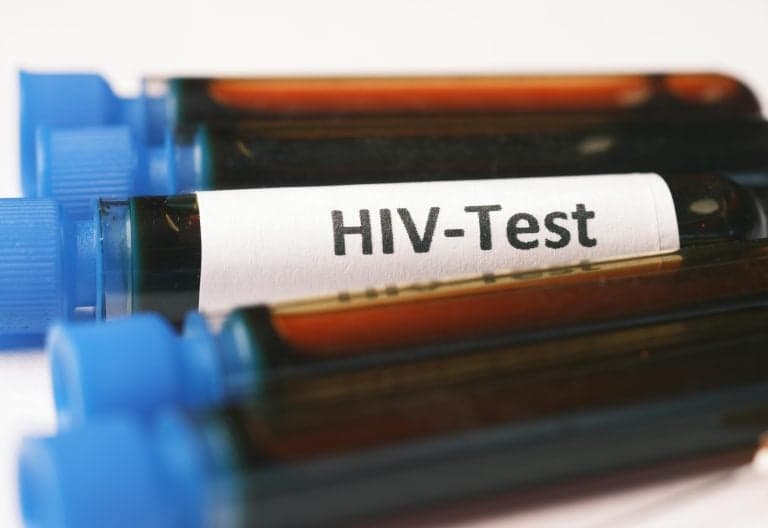
Groundbreaking findings presented at CROI 2026 by Kenyan researchers expose critical gaps in HIV treatment protocols, warning that a one-size-fits-all approach is failing vulnerable populations across East Africa.
The global fight against HIV/AIDS has seen remarkable pharmacological advancements, yet the deployment of these therapies in Sub-Saharan Africa remains fraught with systemic blind spots. New data insists on a radical paradigm shift.
At the prestigious Conference on Retroviruses and Opportunistic Infections (CROI 2026), researchers from the University of Nairobi’s Centre for Epidemiological Modelling and Analysis (CEMA) delivered a sobering verdict: current treatment guidelines are either overly aggressive or dangerously insufficient.
The Ndovu and Sungura studies, large multi-country projects spanning Kenya, Tanzania, Lesotho, and Mozambique, specifically targeted populations experiencing persistent viraemia while on dolutegravir-based regimens. Dolutegravir (DTG) has been championed as a miracle drug, yet the data tells a more complex story. The studies found that a staggering 41 percent of children and adolescents failed to suppress the virus after three months, even when subjected to enhanced adherence counselling.
This statistical reality is an indictment of generic treatment models. It highlights an urgent, undeniable need for further research into effective interventions specifically tailored for African youth experiencing DTG treatment failure. Without context-specific pharmacological strategies, a generation risks developing deep-seated drug resistance.
Simultaneously, the demographic of people living with HIV in Africa is ageing. The studies evaluated treatment outcomes for adults over 60, revealing unique clinical complexities. While 100 percent of older participants on a DTG/3TC dual therapy achieved viral suppression by week 48, researchers flagged a high burden of co-morbidities.
Kidney disease, severe diabetes, aggressive hypertension, and osteoporosis are rampant among older African HIV patients. Therefore, selecting antiretroviral agents can no longer rely solely on viral suppression metrics; long-term drug toxicity and metabolic interactions must dictate policy. The era of blind prescription is over.
The World Health Organization (WHO) currently advises switching adults with persistent viraemia on DTG to a protease inhibitor after two consecutive high viral loads, even without a drug resistance test. However, CEMA researchers noted that many patients manage to suppress the virus without changing treatment, suggesting the WHO protocols may force unnecessary and expensive drug transitions.
African health ministries must now invest heavily in genomic sequencing and hyper-localised clinical trials. Relying on Western epidemiological data to treat African patients is an outdated and lethal strategy.
"From the Ndovu results, it is clear that a one-size-fits-all approach may not be optimal," remarked Dr. Ombajo. "Without these data, treatment guidelines risk being either insufficient or overly aggressive."
Keep the conversation in one place—threads here stay linked to the story and in the forums.
Sign in to start a discussion
Start a conversation about this story and keep it linked here.
Other hot threads
E-sports and Gaming Community in Kenya
Active 9 months ago
The Role of Technology in Modern Agriculture (AgriTech)
Active 9 months ago
Popular Recreational Activities Across Counties
Active 9 months ago
Investing in Youth Sports Development Programs
Active 9 months ago