We're loading the full news article for you. This includes the article content, images, author information, and related articles.
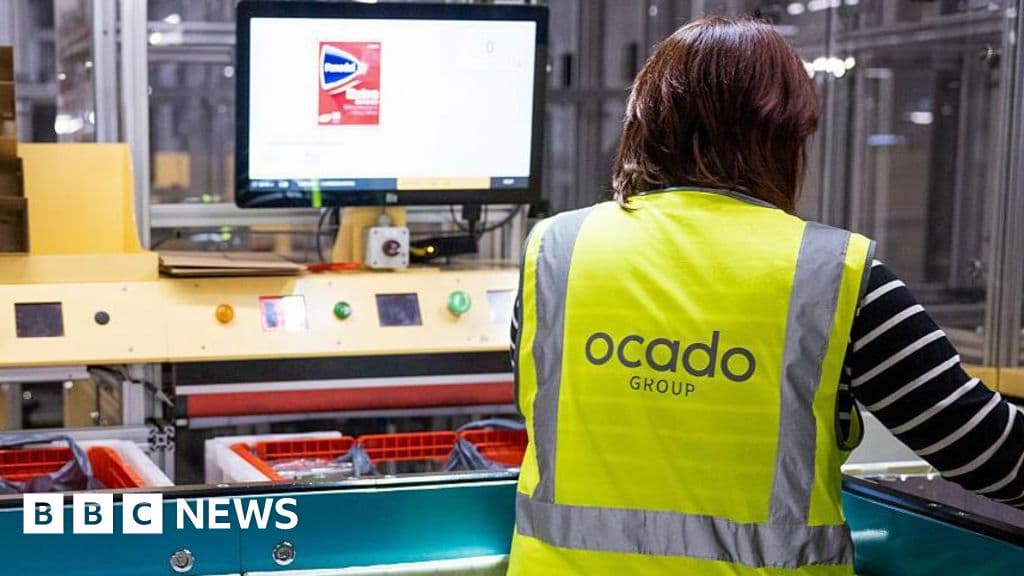
Retail technology giant Ocado has announced the brutal cutting of a thousand jobs in a desperate bid to slash costs by an estimated KES 25 billion.

Retail technology giant Ocado has announced the brutal cutting of a thousand jobs in a desperate bid to slash costs by an estimated KES 25 billion.
In a stark indicator of the cooling global tech sector, British retail technology enterprise Ocado has confirmed a sweeping restructure that will obliterate approximately five percent of its total global workforce. The cuts, which primarily target the company's corporate and research divisions, underscore a harsh reality check for the once-booming automation industry.
This drastic contraction is a direct response to a rapidly shifting economic landscape where explosive post-pandemic e-commerce growth has decisively plateaued. For companies operating on the razor's edge of logistics and automation, the mandate has shifted forcefully from aggressive, unchecked expansion to rigorous financial discipline and immediate profitability. This restructuring serves as a bellwether for the entire technology and retail ecosystem.
The vast majority of the impending job losses will strike the heart of the company’s United Kingdom operations, specifically targeting staff stationed at the corporate headquarters in Hatfield, Hertfordshire. Chief Executive Tim Steiner addressed the painful necessity of the cuts, acknowledging the significant contribution of the departing workforce while emphasizing the unavoidable nature of the corporate realignment.
The business, internationally renowned for designing and operating highly complex, robotic fulfillment warehouses for major supermarket chains, is fundamentally re-evaluating its operational footprint. By dramatically scaling back specialized research and development initiatives, Ocado aims to trim approximately £150 million (roughly KES 25.2 billion) in overlapping technology and support costs by the end of 2026. The strategic consolidation will see Ocado Solutions and Ocado Intelligent Automation merged into a singular, leaner operating division.
A highly controversial element of the restructuring announcement was the explicit citation of "AI efficiencies" as a primary driver for the workforce reduction. As artificial intelligence continues to permeate the corporate sphere, its deployment is rapidly transitioning from an experimental novelty to an active instrument for workforce displacement. By automating administrative, support, and even lower-level coding tasks, corporations are finding new, ruthless avenues for cost discipline.
This development adds a sobering dimension to the ongoing global discourse surrounding artificial intelligence. While technologists consistently champion AI as a tool for human augmentation, the fiscal reality demonstrated by Ocado's board reveals a clear preference for outright labor substitution when profit margins are threatened by macroeconomic headwinds.
While Hatfield may seem geographically distant, the ripple effects of Ocado’s strategic retreat offer vital lessons for Kenya's rapidly maturing logistics and e-commerce sectors. Nairobi has firmly established itself as the Silicon Savannah, with numerous startups attempting to digitize and automate the notoriously fragmented East African retail supply chain. Companies operating in the local fast-moving consumer goods (FMCG) space must take careful note of this global contraction.
The fundamental lesson is that highly capital-intensive automation models require immense, sustained consumer demand to remain viable. As Ocado discovered with the recent shuttering of its Sobeys partnership warehouse in Calgary due to slower-than-anticipated market expansion, building robotic infrastructure before the consumer market fully matures is a catastrophic financial risk. Kenyan logistics innovators must prioritize lean, highly adaptable models over rigid, expensive automated fortresses.
The retail technology sector is clearly entering an era of forced maturation. The days of endless venture capital funding fueling speculative robotic deployments are unequivocally over. Investors are now demanding concrete, near-term returns on investment, forcing companies to brutally prune any division that does not directly contribute to the bottom line.
"Regrettably, this relentless pursuit of cost discipline means a significant number of roles will simply no longer be required," the CEO stated, perfectly capturing the unsentimental reality of the modern technology industry.
Keep the conversation in one place—threads here stay linked to the story and in the forums.
Sign in to start a discussion
Start a conversation about this story and keep it linked here.
Other hot threads
E-sports and Gaming Community in Kenya
Active 9 months ago
The Role of Technology in Modern Agriculture (AgriTech)
Active 9 months ago
Popular Recreational Activities Across Counties
Active 9 months ago
Investing in Youth Sports Development Programs
Active 9 months ago