We're loading the full news article for you. This includes the article content, images, author information, and related articles.
As political realignments take shape ahead of the next General Election, Parliament races to transform the cohesion commission from a passive observer into a powerful enforcer.

The road to the 2027 General Election took a sharp turn this week, with the political landscape shifting both on the ground in Murang’a and within the corridors of Parliament. While former Deputy President Rigathi Gachagua openly courted the opposition, lawmakers began debating a bill that could fundamentally alter how political campaigns are conducted.
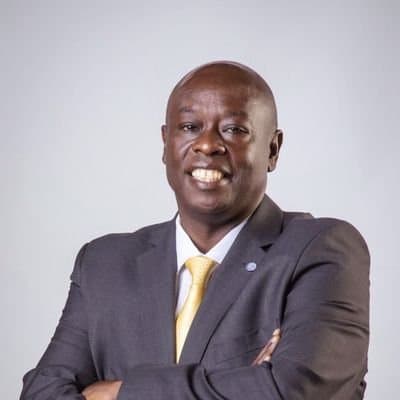
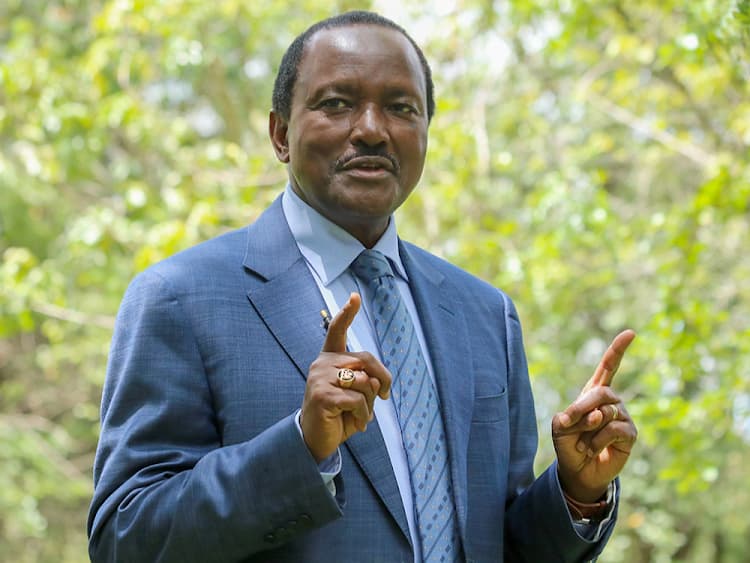
Speaking at a funeral in Ithanga, Murang’a County, Gachagua—who has been consolidating his base since his impeachment in October 2024—declared that the populous Mt Kenya region would rally behind Wiper Party leader Kalonzo Musyoka. His statement, delivered with characteristic bluntness, signals a potential tectonic shift in the country’s voting blocs.
“The mountain has decided that its votes will go into one basket,” Gachagua told mourners, flanked by opposition principals. In a direct challenge to President William Ruto, the former DP claimed that the ruling coalition would struggle to secure even 50,000 votes in the region if the current trajectory continues. Instead, he pledged to deliver a bloc of up to eight million votes to the opposition.
This endorsement is significant. For months, the "United Opposition" has grappled with internal friction over its flagbearer. By publicly tipping Kalonzo, Gachagua is not just offering support; he is attempting to play kingmaker, betting that a union between the Mountain and the East can unseat the current administration.
As the political temperature rises, the state is preparing to tighten the leash on inflammatory rhetoric. Parliament has prioritized the National Cohesion and Integration (Amendment) Bill, 2025, sponsored by Mandera West MP Yussuf Haji. The proposed law seeks to overhaul the National Cohesion and Integration Commission (NCIC), an entity critics have long derided as a “toothless dog.”
The bill’s most controversial provision grants the NCIC direct authority to issue “cease and desist” orders. Currently, the commission must document hate speech and slog through the slow court system. Under the new law, the NCIC could instantly bar individuals or entities from engaging in divisive conduct. For politicians used to reckless rallies, this could mean being silenced in real-time.
While local politics dominated the headlines, a sobering development from the United States sent shockwaves through the diaspora community. The US Department of Homeland Security (DHS) released a list of what it terms the “worst of the worst” criminal aliens, naming 15 Kenyans among those targeted for immediate deportation.
The list, part of a crackdown by the US administration, includes individuals convicted of serious offenses ranging from assault to fraud. Among those named were Naserian Montet (assault in Utah), Alfred Obiero (domestic violence in Colorado), and Bethuel Gathu (robbery in California). The publication of these names and faces serves as a stark warning to the Kenyan diaspora, emphasizing that the window for legal maneuvering in the US is closing fast for those on the wrong side of the law.
As the week wraps up, the message is clear: whether in the dusty towns of Murang’a or the courtrooms of Texas, the rules of engagement are changing. For Kenyan leaders and citizens alike, the cost of misconduct—be it political incitement or criminal activity—is about to go up.
Keep the conversation in one place—threads here stay linked to the story and in the forums.
Sign in to start a discussion
Start a conversation about this story and keep it linked here.
Other hot threads
E-sports and Gaming Community in Kenya
Active 9 months ago
The Role of Technology in Modern Agriculture (AgriTech)
Active 9 months ago
Popular Recreational Activities Across Counties
Active 9 months ago
Investing in Youth Sports Development Programs
Active 9 months ago
Key figures and persons of interest featured in this article