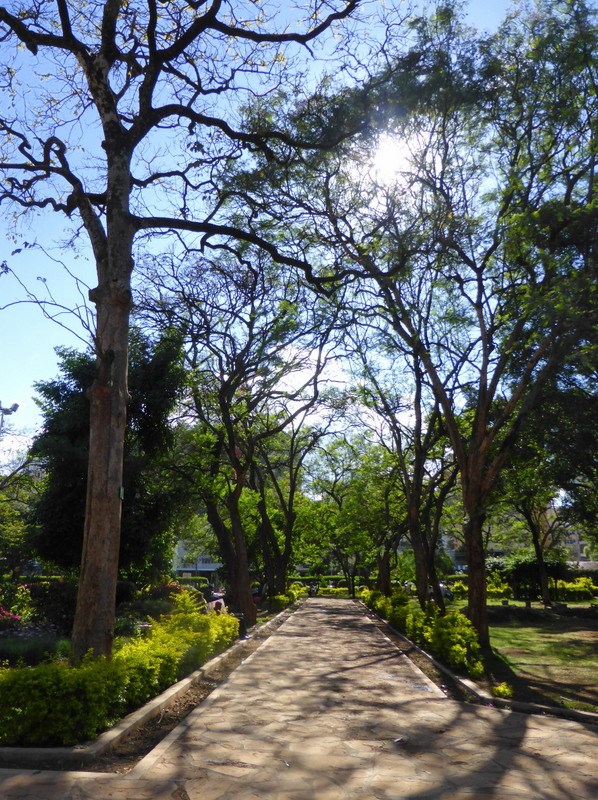
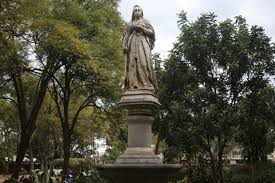
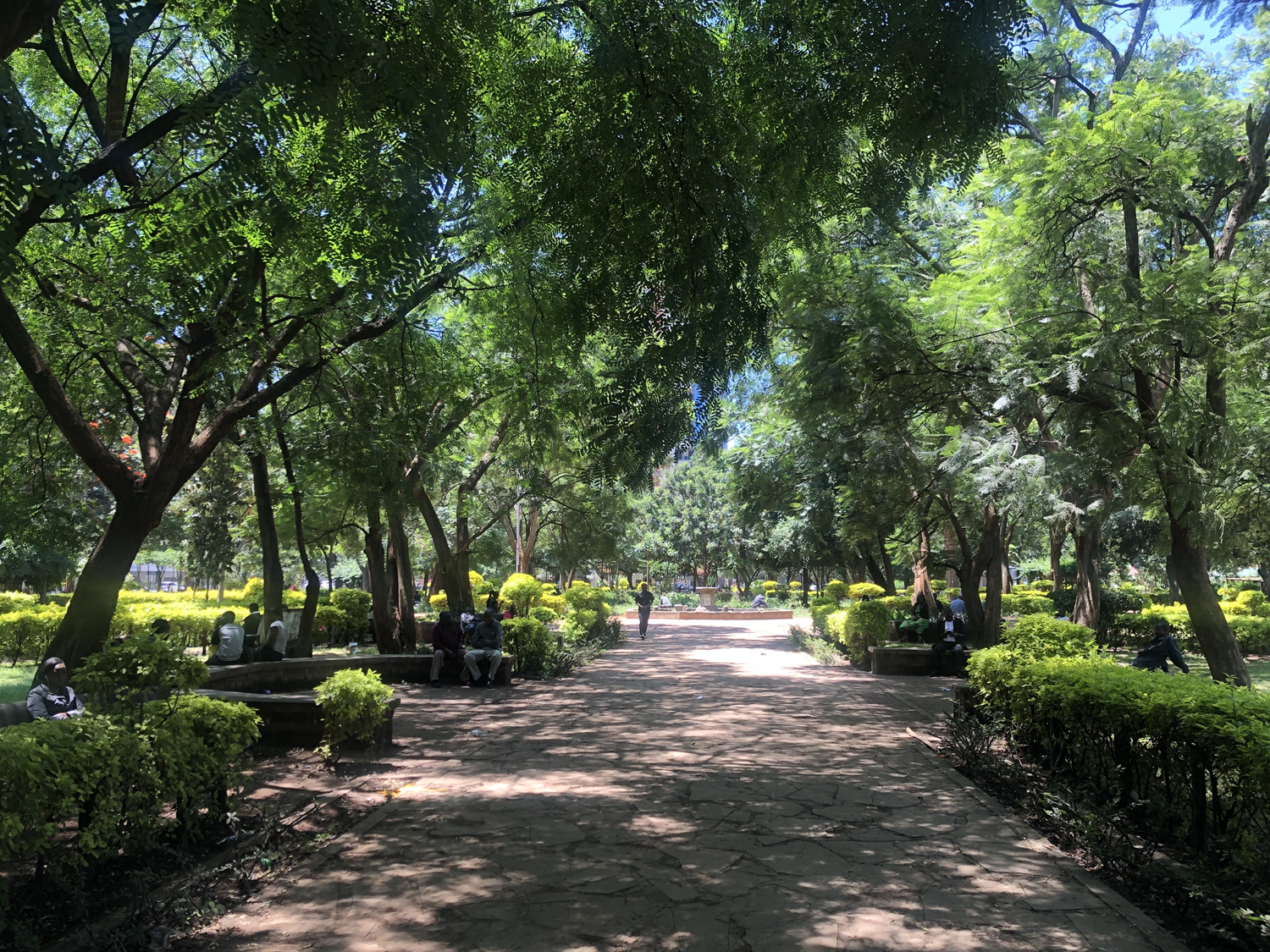
Jeevanjee Gardens is Nairobi CBD’s rare pause button—an intimate public park tucked between major city streets, where the pace softens under mature shade and the noise of the centre fades to a background hum. Created by the businessman and philanthropist Alibhai Mulla Jeevanjee in the early 1900s, the gardens were built in 1904 and donated to the people of Nairobi in 1906, securing a green commons at the heart of a fast-growing city. The park’s character is both historic and welcoming: a compact, walkable oasis designed for simple comfort—benches, open lawns, and canopy trees that make the space feel cooler and calmer than the surrounding streets. Its long-standing landmarks include statues associated with the gardens’ early colonial-era identity and its founder, giving the park a quietly museum-like layer beneath the everyday flow of city life. But Jeevanjee is not only a heritage site—it is a living public room. On any ordinary day, you will find Nairobians stopping in to rest between errands, meet friends, read, or simply breathe. It is also known as a space where public conversation happens naturally: a place for civic debate, spontaneous discussion circles, and social gathering—urban culture unfolding in the open air. What makes Jeevanjee Gardens vital is its meaning, not its size. In a CBD defined by movement, it offers stillness; in a city shaped by change, it preserves a promise—green space held for the public, in trust for the people. Whether you come for a quiet lunch break, a reflective walk, or the energy of Nairobi’s street-level dialogue, Jeevanjee remains one of the centre’s most important—and most human—places.
Trusted businesses serving Nairobi

