We're loading the complete profile of this person of interest including their biography, achievements, and contributions.
Judge of the Supreme Court of Kenya
Public Views
Experience
Documented career positions
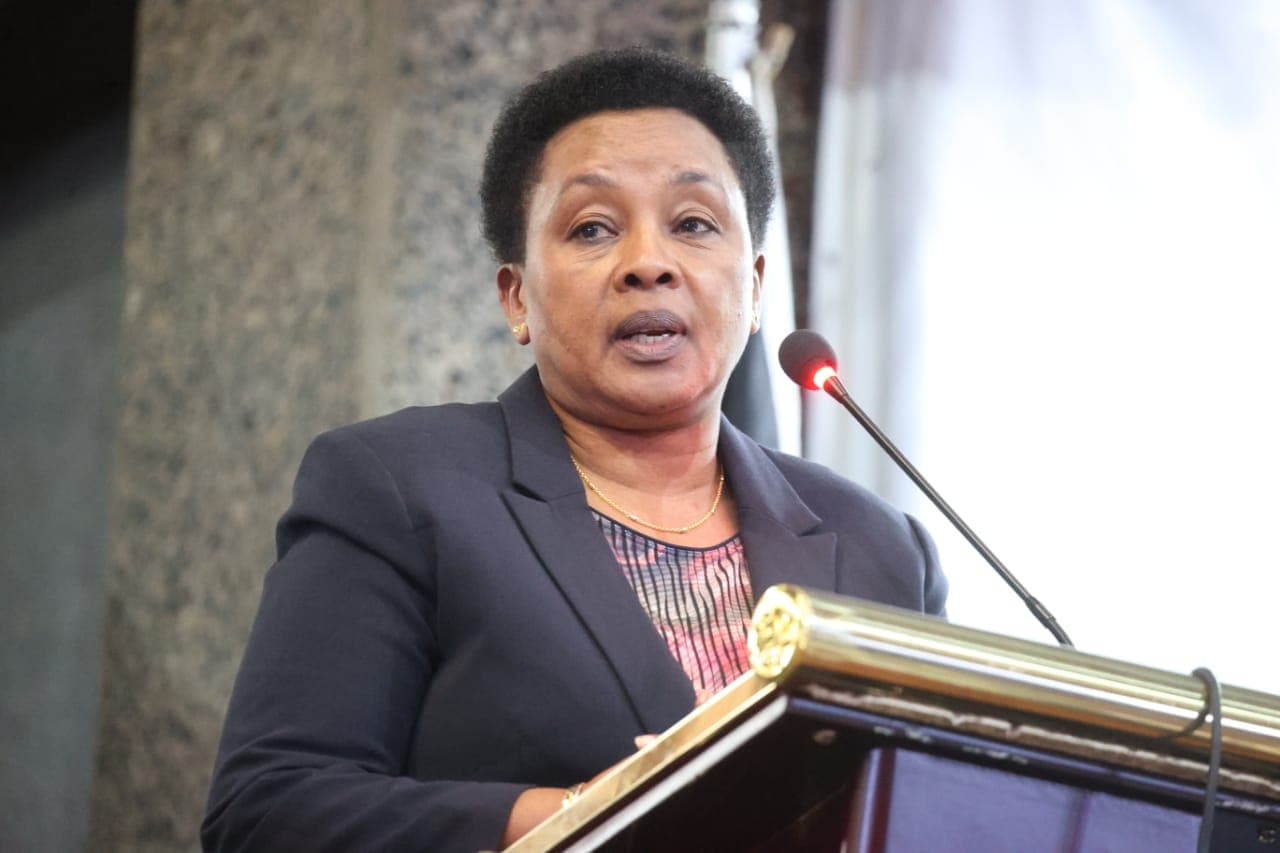
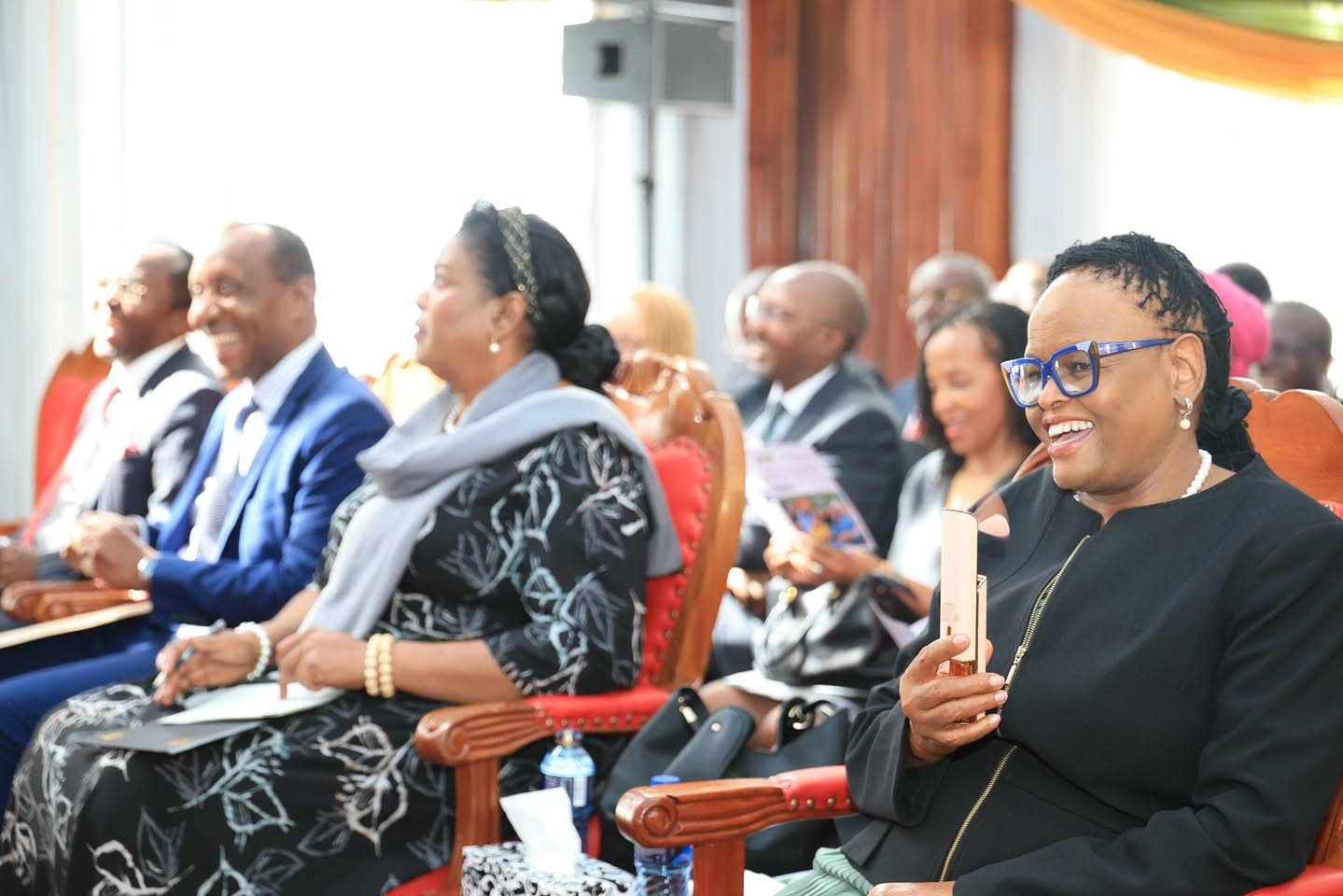
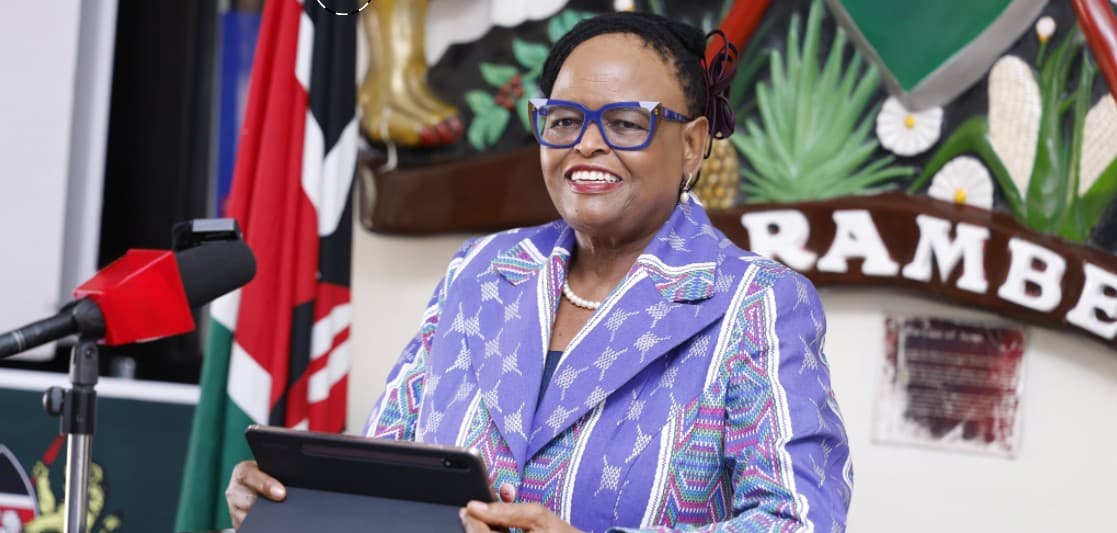
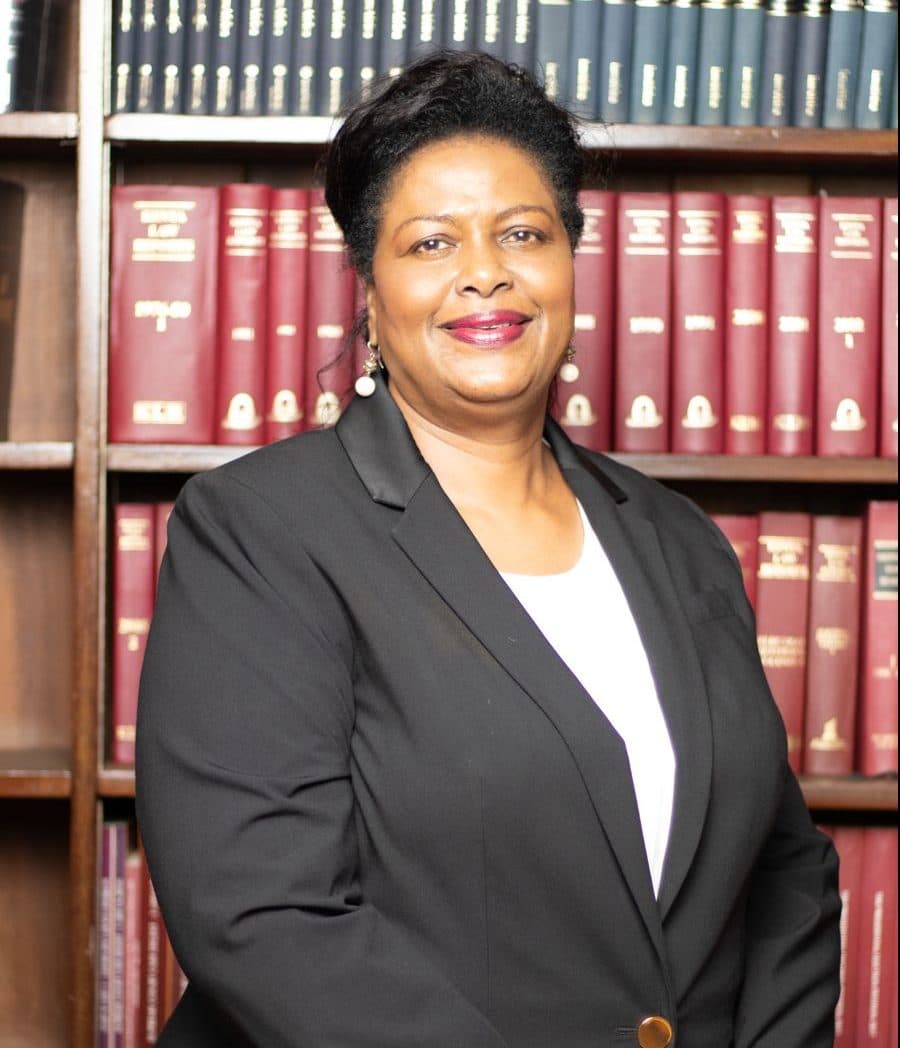
Lady Justice Njoki Susanna Ndung’u (born 20 September 1965) is a Kenyan jurist serving as a Judge of the Supreme Court of Kenya, appointed to the inaugural bench in June 2011 under the 2010 Constitution. A lawyer, former legislator and human-rights advocate, she has built a career at the intersection of constitutional law, gender justice and public policy. Before joining the apex court, she worked as a State Counsel in the Office of the Attorney-General, a civic-education and human-rights programme officer, a protection officer with UNHCR Kenya, and a political analyst at the Organisation of African Unity (OAU), gaining wide exposure to governance and rights issues in Kenya and across Africa. From 2003 to 2007 she served as a NARC-nominated Member of Parliament in Kenya’s Ninth Parliament, where she became nationally known for sponsoring the landmark Sexual Offences Bill that was enacted as the Sexual Offences Act 2006, a defining statute on sexual and gender-based violence. She later sat as a member of the Committee of Experts on Constitutional Review (2009–2010), which drafted the 2010 Constitution, earning national and international recognition including UN Person of the Year (Kenya) 2006, ICJ–Kenya Jurist of the Year 2006, and presidential honours of Elder of the Burning Spear (EBS) and later Chief of the Burning Spear (CBS).
Inaugural Judge of the Supreme Court of Kenya (2011–present): Appointed to the first Supreme Court bench created by the 2010 Constitution, where she has sat on all major presidential-election petitions and landmark constitutional cases, often writing robust, principle-driven opinions, including notable dissents.
Architect of the Sexual Offences Act 2006: As a nominated MP, she drafted and successfully steered the Sexual Offences Bill through Parliament, leading to comprehensive legislation on sexual and gender-based violence, with tougher penalties, recognition of a wider range of offences, and improved protections and services for survivors.
Challenges to JSC probe and complaints: In 2016, she moved to court to challenge an intended Judicial Service Commission (JSC) investigation into complaints against her and another Supreme Court judge, arguing that due process and constitutional safeguards for judges had not been followed. The matter highlighted tensions over judicial accountability mechanisms; no removal or disciplinary order against her resulted.
Criticism over Supreme Court election decisions: Her role in highly polarised presidential-election petitions—supporting dismissal of Raila Odinga’s 2013 challenge and dissenting from the majority’s 2017 annulment—has drawn partisan criticism, with some accusing her of political bias. These remain political reactions; there is no formal finding of misconduct.
News articles featuring Njoki Ndung'u
Member of the Committee of Experts on Constitutional Review: Played a central role in the team that drafted the 2010 Constitution of Kenya, especially on the Bill of Rights and gender-equality provisions, helping to entrench robust protections for women, children and marginalised groups.
Multiple national and international honours for human-rights work: Recognised as UN Person of the Year (Kenya) in 2006 and ICJ–Kenya Jurist of the Year 2006, and decorated with the state honours of EBS and later CBS for her contributions to law reform, human rights and constitutionalism.
Target of misinformation on social media: Fact-checkers have debunked fabricated social-media posts purporting to show her attacking the Chief Justice over the 2022 presidential-election judgement, underscoring the extent to which she is a target of online disinformation.
Ongoing debates on gender, leadership and public discourse: As one of Kenya’s most visible female jurists, she frequently speaks out against the trivialisation and harassment of women leaders in public spaces, which in turn sparks debate about gender, respect and power in Kenyan politics and media.