We're loading the complete profile of this person of interest including their biography, achievements, and contributions.
Interim President of Guinea
Born
1980(46 yrs)
County
Conakry
Public Views
Experience
Documented career positions
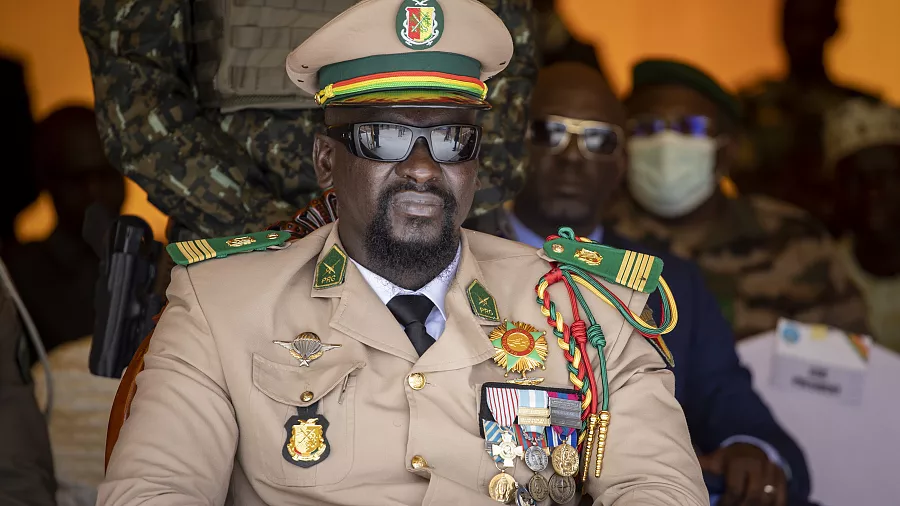
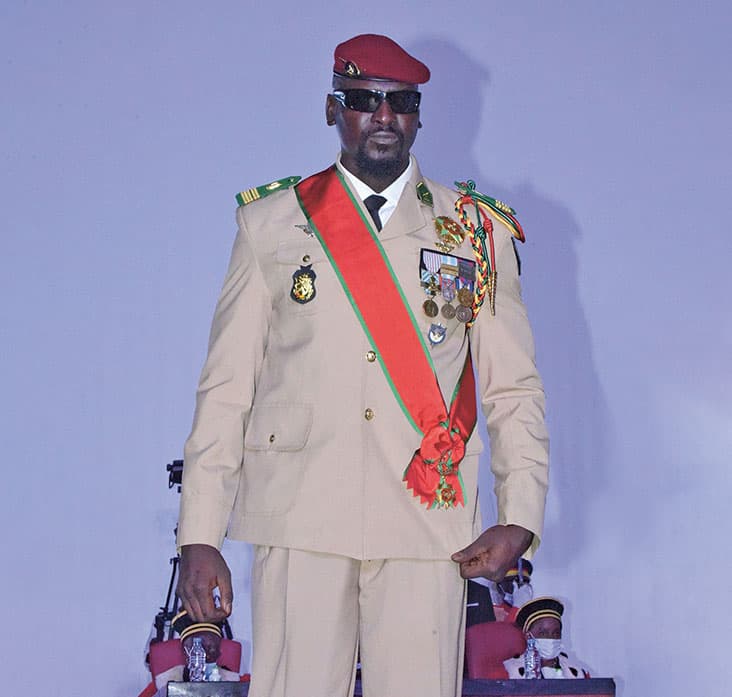
General Mamady Doumbouya (born 4 March 1980) is the Interim President of Guinea, having assumed power following the September 2021 military coup that removed President Alpha Condé. A career soldier trained abroad, Doumbouya is a former French Foreign Legionnaire and the founding commander of Guinea’s Special Forces Group (GFS). He emerged as a national figure after leading troops into the presidential palace and announcing the dissolution of the constitution and government, citing corruption, economic mismanagement, and democratic backsliding. Since taking office, Doumbouya has governed through the National Committee of Reconciliation and Development (CNRD), positioning his rule as a corrective transition rather than a permanent takeover. His administration has adopted a nationalist economic posture, particularly toward Guinea’s vast mining sector, pressing foreign firms to increase local processing and value addition. While he has pledged a return to civilian rule, the transition timeline has shifted, keeping his government under close regional and international scrutiny.
Led the 2021 coup d’état, ending Alpha Condé’s third-term presidency and resetting Guinea’s political order.
Established the CNRD, the ruling transitional authority tasked with reforms, reconciliation, and governance oversight.
Asserted resource nationalism, pushing mining companies—especially in bauxite—to process more resources domestically.
Uncertain transition timeline: Delays in returning to civilian rule have drawn criticism from ECOWAS and civil society.
Restrictions on political activity: Limits on demonstrations and arrests of some opponents have raised rights concerns.
Tense relations with mining multinationals: His push for local processing has unsettled investors despite nationalist support at home.
Repositioned the military’s role, elevating elite special forces as a central pillar of state authority and security.
Military consolidation of power: Critics argue reforms remain concentrated within the junta rather than independent institutions.