We're loading the complete profile of this person of interest including their biography, achievements, and contributions.
Actress & Filmmaker
Public Views
Experience
Documented career positions
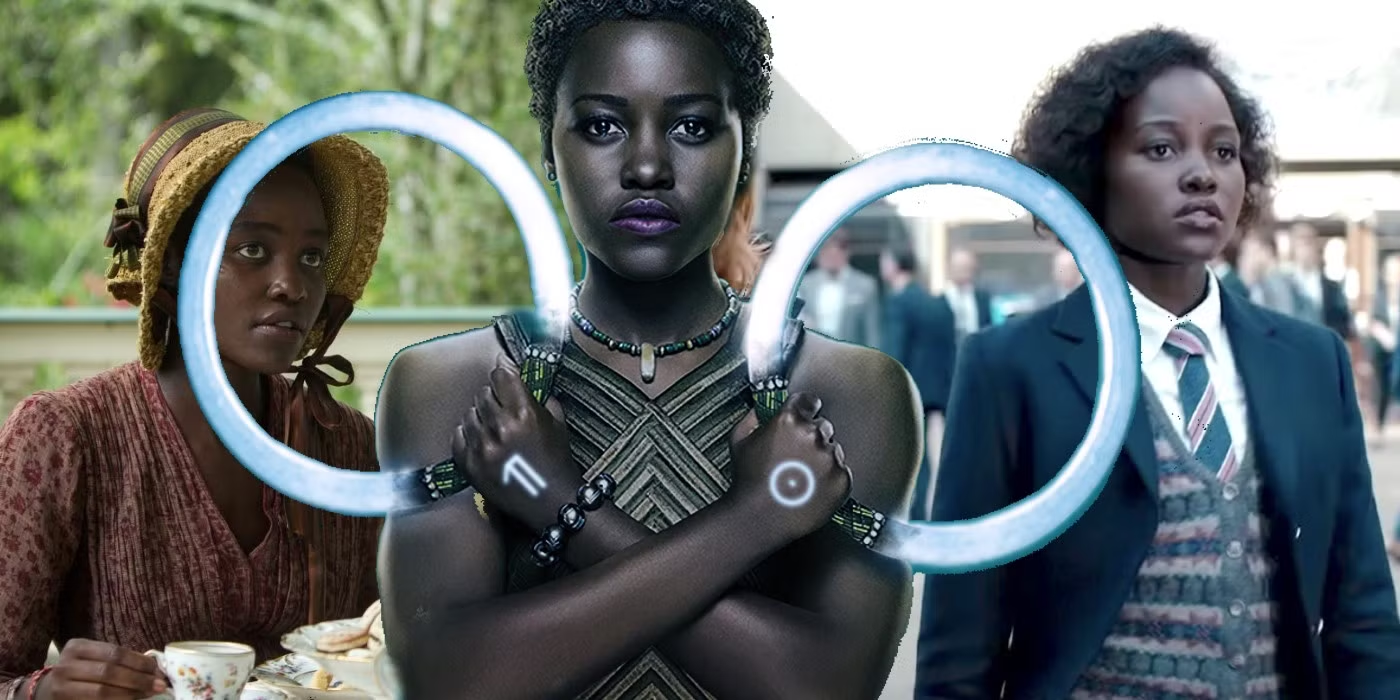
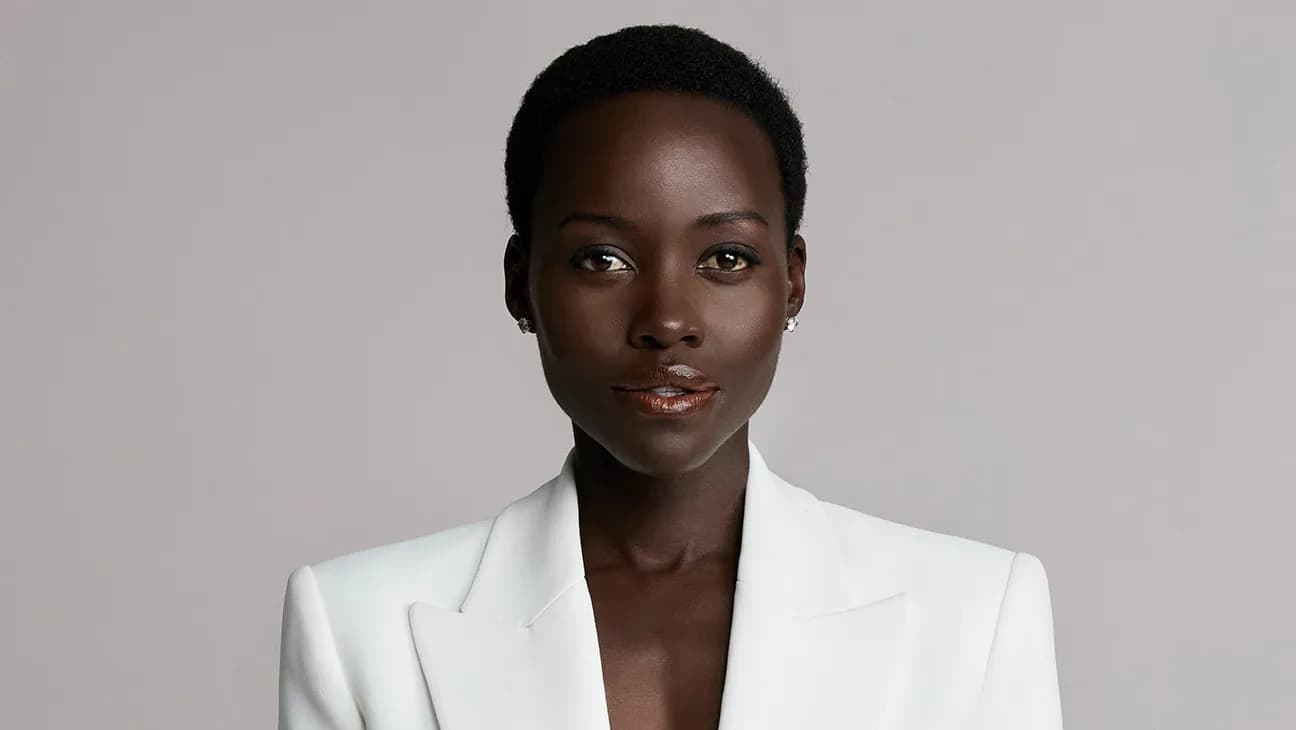
Lupita Amondi Nyong’o is a Kenyan-Mexican actress and filmmaker who has achieved international acclaim for her transformative performances in theater and film. Born on March 1, 1983, in Mexico City, Mexico, to Kenyan parents Dorothy Ogada Buyu and Anyang’ Nyong’o, she was raised in Kenya from infancy. Her father, a prominent politician and academic who served as a minister and later as the Governor of Kisumu County, was teaching political science at El Colegio de México at the time of her birth. Nyong’o grew up in a politically active and culturally rich household, which profoundly influenced her perspective on identity and social responsibility. Nyong’o’s educational journey was marked by a commitment to the arts. She attended St. Mary’s School in Nairobi before moving to the United States for higher education. She earned a bachelor’s degree in film and theatre studies from Hampshire College in Amherst, Massachusetts, in 2003. She later attended the prestigious Yale School of Drama, where she graduated with a Master of Fine Arts (MFA) in acting in 2012. Her early professional experiences included working as a production assistant on film sets, such as *The Constant Gardener* (2005), where she was encouraged by actor Ralph Fiennes to pursue a professional acting career if it was an endeavor she could not live without. Her breakthrough came almost immediately after finishing her studies at Yale. In 2013, she starred as Patsey in Steve McQueen’s historical drama *12 Years a Slave*. Her poignant performance earned her widespread critical praise, making her the first Kenyan and the first Mexican actress to win an Academy Award, specifically for Best Supporting Actress. This historic win positioned her as a significant figure in global cinema. Following her Academy Award success, Nyong’o built a diverse and high-profile filmography. She voiced the character Raksha in Disney’s *The Jungle Book* (2016) and played the wise, ancient spacefarer Maz Kanata in the *Star Wars* sequel trilogy, utilizing motion-capture technology. Her prominence continued to rise with her role as the skilled spy Nakia in Marvel’s *Black Panther* (2018) and its sequel. She also delivered a dual-role performance in Jordan Peele’s critically acclaimed horror film *Us* (2019). Beyond film, she made a significant mark on Broadway, earning a Tony Award nomination for her debut performance in the play *Eclipsed* (2015), which focused on the lives of women during the Second Liberian Civil War. Outside of acting, Nyong’o is a recognized author and activist. She wrote the #1 New York Times bestselling children’s book *Sulwe* (2019), which addresses colorism and the importance of self-love. Her work as a narrator, particularly for the Discovery Channel docu-series *Serengeti*, earned her a Primetime Emmy Award nomination. She is also a vocal advocate for historic preservation, women’s rights, and animal rights. Her legacy is defined by her ability to bridge cultural divides through her work, her dedication to nuanced storytelling, and her position as a global fashion icon, cementing her status as a versatile and influential talent in the modern entertainment industry.
Academy Award, SAG Award, and Emmy winner.
In 2020 Forbes named her one of Africa’s 50 Most Powerful Women.
Authored the bestselling children’s book 'Sulwe'.
In 2019, Lupita Nyong'o faced criticism from disability advocacy groups, including the National Spasmodic Dysphonia Association and RespectAbility, for using the neurological disorder spasmodic dysphonia as inspiration for her character's voice in the film 'Us.' Nyong'o subsequently issued a public apology, stating that it was not her intention to vilify the condition.
Directed, produced, and edited the documentary 'In My Genes' in 2009, which explored the experiences of Kenyans living with albinism.
Starred in the MTV/UNICEF-backed television series 'Shuga' from 2009 to 2012, aiming to promote HIV awareness and safe sex.
Earned a Master of Fine Arts (MFA) in acting from the Yale School of Drama in 2012.
Achieved a breakthrough performance as Patsey in the film '12 Years a Slave' in 2013, for which she received widespread critical acclaim.
Won the Academy Award for Best Supporting Actress in 2014 for her role in '12 Years a Slave', becoming the first Kenyan and Mexican actress to win an Oscar.
Won the Screen Actors Guild (SAG) Award for Outstanding Performance by a Female Actor in a Supporting Role in 2014 for '12 Years a Slave'.
Named 'The Most Beautiful Person' by People magazine in 2014.
Made her Broadway debut in the play 'Eclipsed' in 2015, which earned her a Theatre World Award for Outstanding Broadway or Off-Broadway Debut Performance.
Received a nomination for the Tony Award for Best Actress in a Play in 2016 for her performance in 'Eclipsed'.
Provided the motion-capture performance for the character Maz Kanata in the Star Wars sequel trilogy (2015–2019).
Voiced the character Raksha in the 2016 live-action adaptation of 'The Jungle Book'.
Starred as Nakia in the Marvel Cinematic Universe film 'Black Panther' in 2018.
Published the New York Times bestselling children's book 'Sulwe' in 2019, which focuses on colorism and self-esteem.
Starred in the critically acclaimed horror film 'Us' in 2019, winning an NAACP Image Award for Best Actress and a New York Film Critics Circle Award for Best Actress.
Narrated the Discovery Channel documentary series 'Serengeti' starting in 2019, earning a Primetime Emmy Award nomination for Outstanding Narrator.
Named one of Africa's 50 Most Powerful Women by Forbes in 2020.
Won the Daytime Emmy Award for Outstanding Limited Performance in a Children's Program in 2021 for her role in the Netflix series 'Bookmarks: Celebrating Black Voices'.
Starred in the horror film 'A Quiet Place: Day One' in 2024.
Won the Annie Award for Outstanding Achievement for Voice Acting in an Animated Feature for her role as Roz in 'The Wild Robot' in 2025.