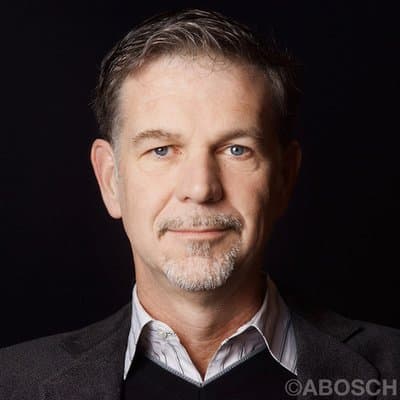
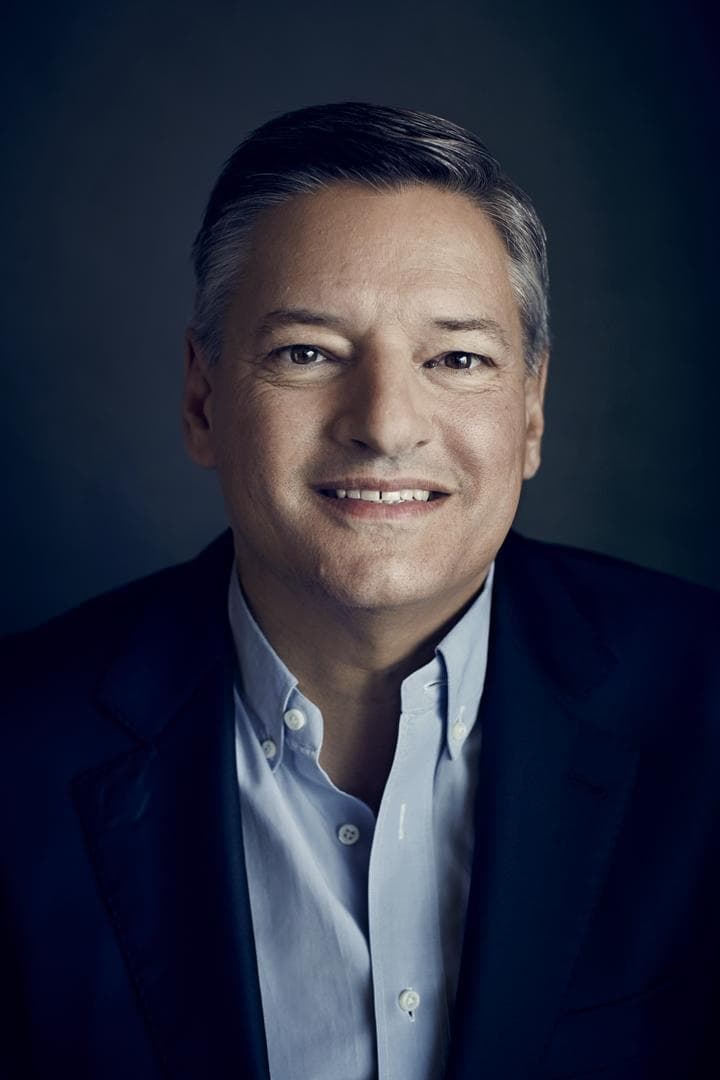
We're loading the complete profile of this person of interest including their biography, achievements, and contributions.

Co-Founder & CEO, Circle
Public Views
Experience
Documented career positions
Jeremy D. Allaire (born May 13, 1971) is a prominent American technology entrepreneur, investor, and business executive. He is best known as the co-founder, chairman, and CEO of Circle, a global financial technology company best known for issuing USD Coin (USDC), one of the world's most widely used stablecoins. Throughout his career, Allaire has been a serial entrepreneur, focusing on building foundational software platforms for the internet and digital economy. Born in Philadelphia, Pennsylvania, and raised in Winona, Minnesota, Allaire was the son of a psychologist and a press editor. He was educated in the Montessori tradition, an experience he has credited with instilling in him a deep sense of self-direction, intellectual independence, and collaborative responsibility. Allaire’s fascination with computers began in his youth, sparked by an early Apple computer his family acquired in 1983. He later attended Macalester College in St. Paul, Minnesota, graduating in 1993 with a double major in political science and philosophy, with a concentration in economics. During his college years, he gained early access to the emerging internet, which became a lifelong passion that would define his professional trajectory. Allaire’s career as an entrepreneur began shortly after graduation. In 1993, he launched an internet consulting firm called Global Internet Horizons, assisting early media companies in establishing a web presence. In 1995, alongside his brother J.J. Allaire, he co-founded Allaire Corporation. The company achieved significant success by developing ColdFusion, a pioneering rapid web application development platform that enabled businesses to build dynamic, database-driven websites. Allaire Corporation went public in 1999 and was subsequently acquired by Macromedia in 2001. Following the acquisition, Allaire served as the Chief Technology Officer (CTO) of Macromedia, where he played a key role in the development of the Macromedia MX platform, which advanced the capabilities of the Flash Player and rich internet applications. In 2003, Allaire joined the venture capital firm General Catalyst as an entrepreneur-in-residence. During this tenure, he began incubating the concept for his next major venture, Brightcove, an online video platform designed to help media organizations distribute content across the internet. He officially founded Brightcove in 2004, serving as its CEO until 2013, when he transitioned to the role of chairman. Under his leadership, Brightcove became a critical piece of infrastructure for digital media, and the company successfully went public in 2012. In 2013, Allaire pivoted his focus to the burgeoning field of cryptocurrency and digital assets. He co-founded Circle, with a mission to bring digital currency into the mainstream through regulated, consumer-friendly financial services. While the company initially focused on Bitcoin payments, it eventually centered its operations on stablecoins, launching USDC in 2018 in partnership with Coinbase. Allaire has positioned himself as a proponent of integrating digital assets into the existing global financial system, often engaging in regulatory and policy discussions to foster trust and stability. Under his leadership, Circle has grown into a major financial institution, and in June 2025, the company completed a high-profile initial public offering (IPO), marking it as the first publicly traded stablecoin issuer. Throughout his career, Allaire has been recognized for his consistent focus on identifying and building "missing layers" of the internet—from web development tools in the 1990s and video distribution in the 2000s to programmable digital money in the 2010s and beyond. His work is characterized by a long-term vision of how technological innovation can reshape communication, media, and global finance.
AI-powered civic intelligence rating
Co-founded Circle and launched the USDC stablecoin building it into the second-largest stablecoin globally and the absolute preferred choice for US institutional investors and regulated DeFi protocols
Successfully navigated the massive catastrophic 2023 US banking crisis when Silicon Valley Bank collapsed (where Circle held over 3 billion dollars in reserves) successfully defending the USDC peg and maintaining market stability
Frequently criticized by crypto-anarchists and decentralization purists who accuse Circle of being a corporate trojan horse for the US government due to the company's absolute willingness to blacklist and freeze USDC addresses at the behest of US law enforcement (such as the Tornado Cash sanctions)
Endured a highly publicized embarrassing failed SPAC merger in 2022 before ultimately regrouping for a traditional IPO
In March 2023, Circle faced significant public scrutiny when it was revealed that $3.3 billion of the reserves backing its USDC stablecoin were held at Silicon Valley Bank (SVB) at the time of the bank's collapse. The disclosure caused USDC to briefly lose its $1.00 peg, falling to approximately $0.88 before recovering, leading to widespread questions about the transparency and safety of the company's reserve management.
Executed a highly successful Initial Public Offering (IPO) for Circle cementing the company as a fully transparent audited pillar of the American financial system
Pioneered the Cross-Chain Transfer Protocol (CCTP) allowing USDC to move natively and seamlessly across different blockchains without relying on vulnerable 'bridge' infrastructure
Graduated from Macalester College in 1993 with a degree in political science and philosophy.
Co-founded Allaire Corporation in 1995 with his brother J.J. Allaire, which pioneered web development tools like ColdFusion.
Developed the Web Distributed Data Exchange (WDDX) in 1998, an open-source format for web software APIs.
Took Allaire Corporation public with an IPO in 1999.
Named 'Young Entrepreneur of the Year' by the Massachusetts Interactive Media Council in 1999.
Became Chief Technology Officer (CTO) of Macromedia in 2001 following the acquisition of Allaire Corporation.
Received the World Economic Forum Technology Pioneer Award in 2001.
Joined General Catalyst as a technologist and executive-in-residence in 2003.
Founded the online video platform Brightcove in 2004.
Named 'Smartest Entrepreneur of the Year' by Business 2.0 magazine in 2006.
Named one of Time Magazine's 100 Most Influential People in the World in 2008.
Named 'Innovator of the Year' by the MIT Leadership Council in 2009.
Awarded Ernst & Young Entrepreneur of the Year for the New England region in 2010.
Led Brightcove through a successful initial public offering (IPO) in 2012.
Co-founded the digital currency company Circle in 2013.
Stepped down as CEO of Brightcove to serve as Chairman of the Board in 2013.
Received the Mass Technology Leadership Council's Distinguished Leadership Award in 2015.
Named one of The Hollywood Reporter's Top 100 Most Influential People in Digital Media in 2015.
Awarded a Webby Award Honoree in the Banking/Bill Pay Services category for the Circle Pay app in 2016.
Helped launch the dollar-pegged stablecoin USDC in 2018.
Received the World Economic Forum Blockchain Leadership Award in 2018.
Recognized as one of CoinDesk's 'Most Influential in Blockchain' in 2019.
Named to the Forbes 'Top 50 Financial Leaders in Crypto' list in 2021.
Recognized as one of CoinDesk's 'Most Influential in Blockchain' in 2023.
Led Circle to complete its initial public offering (IPO) on the New York Stock Exchange in 2025.
In May 2022, the watchdog group Campaign for Accountability filed a request with the SEC urging an investigation into Circle's proposed SPAC merger. The group alleged that Circle failed to disclose Jeremy Allaire's professional history, specifically referencing a 2003 class-action settlement involving his former company, Allaire Corp., which accused officers of misleading statements regarding company stock.
Circle and Jeremy Allaire have faced repeated public criticism from blockchain investigators, such as ZachXBT, regarding the company's operational policies. Critics have accused the leadership of failing to promptly freeze USDC assets linked to major hacks—including funds tied to North Korean state-sponsored attacks—challenging the company's 'compliance-first' public stance.