We're loading the complete profile of this person of interest including their biography, achievements, and contributions.
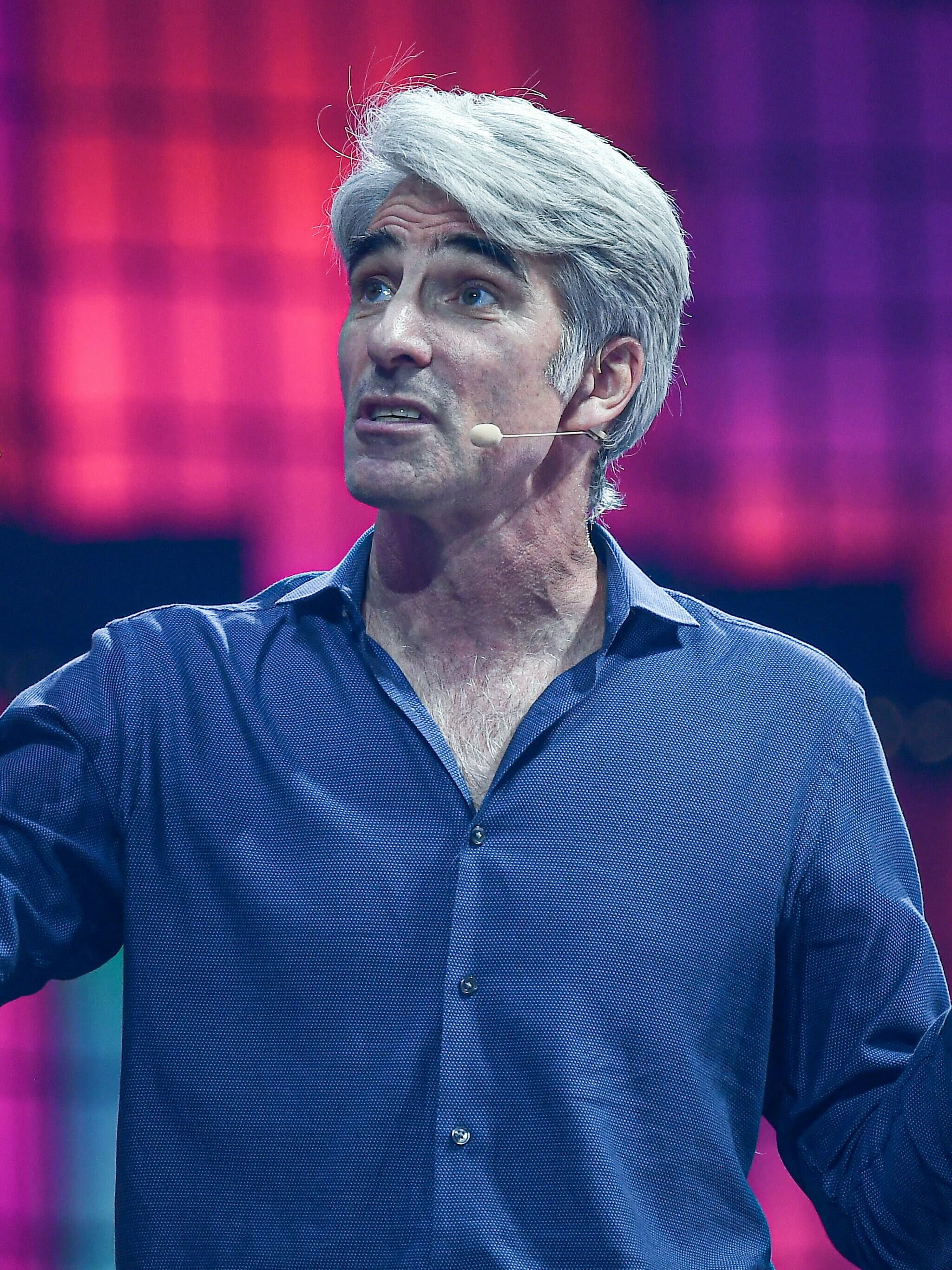
Senior Vice President, Software Engineering, Apple
Public Views
Experience
Documented career positions
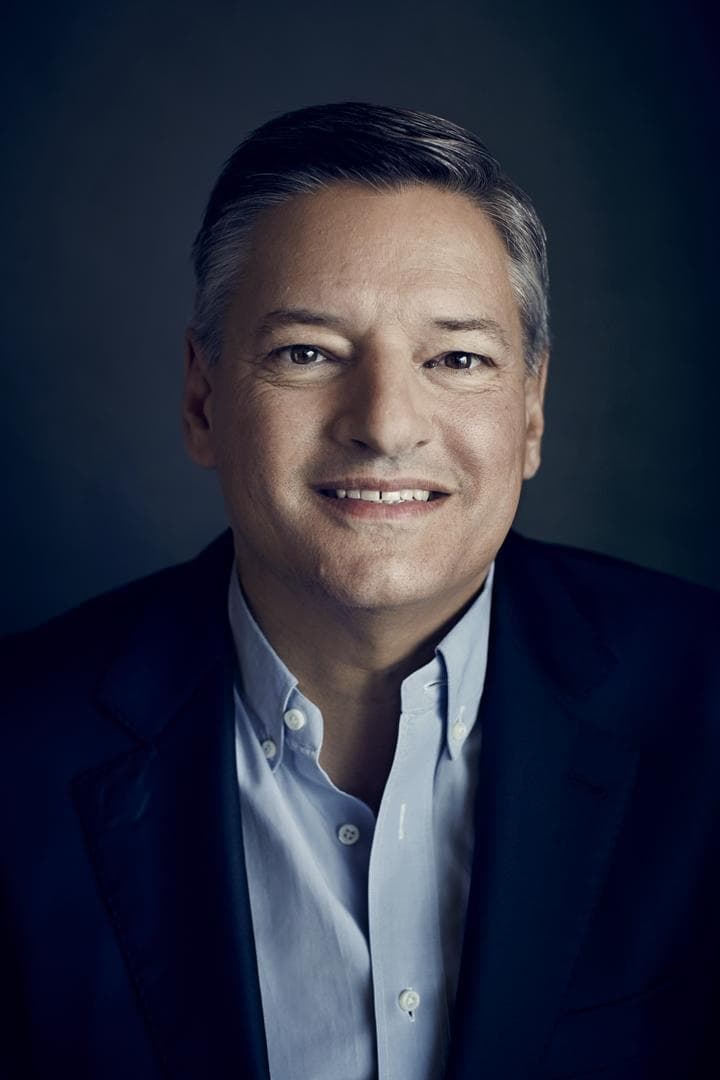
Craig Federighi (born May 27, 1969) is a prominent American software engineer and business executive currently serving as the Senior Vice President of Software Engineering at Apple Inc. Widely recognized as one of the key figures in Apple’s modern leadership, Federighi is responsible for the development of Apple's primary operating systems, including iOS, iPadOS, and macOS. His teams are tasked with overseeing the user interfaces, applications, and frameworks that define the user experience across the company’s hardware ecosystem. Born in San Leandro, California, Federighi pursued his higher education at the University of California, Berkeley, where he earned both a Bachelor of Science in electrical engineering and computer science, and a Master of Science in computer science. His professional career began at NeXT, the company founded by Steve Jobs after his first tenure at Apple. At NeXT, Federighi played a critical role in the development of the Enterprise Objects Framework (EOF), a technology designed to allow enterprise applications to interact with databases. This work was highly regarded and influential within the software industry. Following Apple's acquisition of NeXT in 1996, Federighi transitioned to Apple, where he worked for three years before departing in 1999 to join the enterprise software company Ariba. During his decade-long tenure at Ariba, he held several executive positions, including Chief Technology Officer, gaining significant experience in enterprise-level software strategy and leadership. Federighi returned to Apple in 2009 to lead the macOS engineering team, arriving just as the company had completed development of Mac OS X Snow Leopard. His expertise and leadership during this period led to his rapid ascent within the company. In March 2011, he succeeded Bertrand Serlet as the Vice President of Mac Software Engineering. In August 2012, he was promoted to Senior Vice President, and shortly thereafter, following the departure of Scott Forstall, his responsibilities were expanded to include the engineering of iOS, effectively unifying the development of Apple’s desktop and mobile platforms under his leadership. Beyond his executive duties, Federighi has become a highly visible public figure for Apple, frequently serving as a primary presenter at the company's annual Worldwide Developers Conference (WWDC) and other product launch events. He is well-known for his charismatic and often humorous presentation style, which frequently incorporates self-deprecating jokes, references to his distinctive hairstyle—an attribute that earned him the fan-given nickname "Hair Force One"—and elaborate, scripted skits involving his "crack marketing team." Under his tenure, Apple has navigated major shifts in its software strategy, including the transition to Apple Silicon and an increased organizational focus on user privacy, a topic Federighi frequently champions during product announcements. His leadership style is often described as consensus-driven and responsive, and he remains a central figure in Apple's technological direction. Federighi is married and is a father of four children.
AI-powered civic intelligence rating
Led the successful unification of the Apple software ecosystem across Mac iPad and iPhone
Architected the massive multi-year rollout of Apple Intelligence firmly planting Apple in the generative AI race while strictly maintaining on-device privacy
Spearheaded the creation of Swift a highly popular open-source programming language for Apple developers
Navigated intense global developer backlash regarding Apple's strict App Store software guidelines and the highly controversial 'core technology fee' introduced in the European Union to comply with the Digital Markets Act
Frequently criticized by cybersecurity researchers for Apple's historically closed 'walled garden' software approach which critics argue harms competition under the guise of security
In 2021, Federighi was the primary executive addressing the public backlash regarding Apple's proposed child safety features, including CSAM scanning. He publicly admitted that Apple had 'failed to communicate' the initiatives effectively, describing the situation as a 'recipe for confusion' that led to widespread misunderstanding of the technology.
News articles featuring Craig Federighi
Graduated from the University of California, Berkeley, in 1991 with a Bachelor of Science degree in Electrical Engineering and Computer Science
Earned a Master of Science degree in Computer Science from the University of California, Berkeley, in 1993
Led the development of the Enterprise Objects Framework (EOF) while working at NeXT in the mid-1990s
Joined Apple in 1996 following the company's acquisition of NeXT
Left Apple in 1999 to join Ariba, where he served in various leadership roles including Chief Technology Officer
Returned to Apple in 2009 to lead the engineering of Mac OS X
Succeeded Bertrand Serlet as Vice President of Mac Software Engineering at Apple in March 2011
Promoted to Senior Vice President of Software Engineering at Apple in August 2012, reporting directly to the CEO
Expanded his responsibilities in October 2012 to include overseeing the development of iOS in addition to Mac Software Engineering
Recognized for his prominent role as a presenter at Apple’s Worldwide Developers Conferences (WWDC) starting in the early 2010s
Oversaw the transition and development of major operating systems including the unification of features across macOS, iOS, and iPadOS throughout his tenure as SVP
During the 2020-2021 Epic Games v. Apple lawsuit, Federighi was a central figure, compelled to testify and serve as a document custodian. His defense of Apple's App Store ecosystem, security policies, and the 'walled garden' approach faced intense legal and public scrutiny regarding competition and market dominance.
In 2021, Federighi faced public criticism from privacy advocates and developers for his vocal opposition to EU legislative efforts, specifically the Digital Markets Act, which aimed to mandate sideloading on iPhones. He characterized sideloading as a 'cybercriminal's best friend,' a stance that drew pushback from those advocating for more open software distribution platforms.
As of 2025-2026, reports have surfaced regarding internal and external criticism of Federighi's leadership over Apple's AI division. Critics and reports have described his management style as overly 'conservative' and 'cost-conscious,' alleging that this approach contributed to significant delays in Apple's AI product roadmap and necessitated a strategic pivot to integrate third-party models like Google's Gemini.