We're loading the complete profile of this person of interest including their biography, achievements, and contributions.
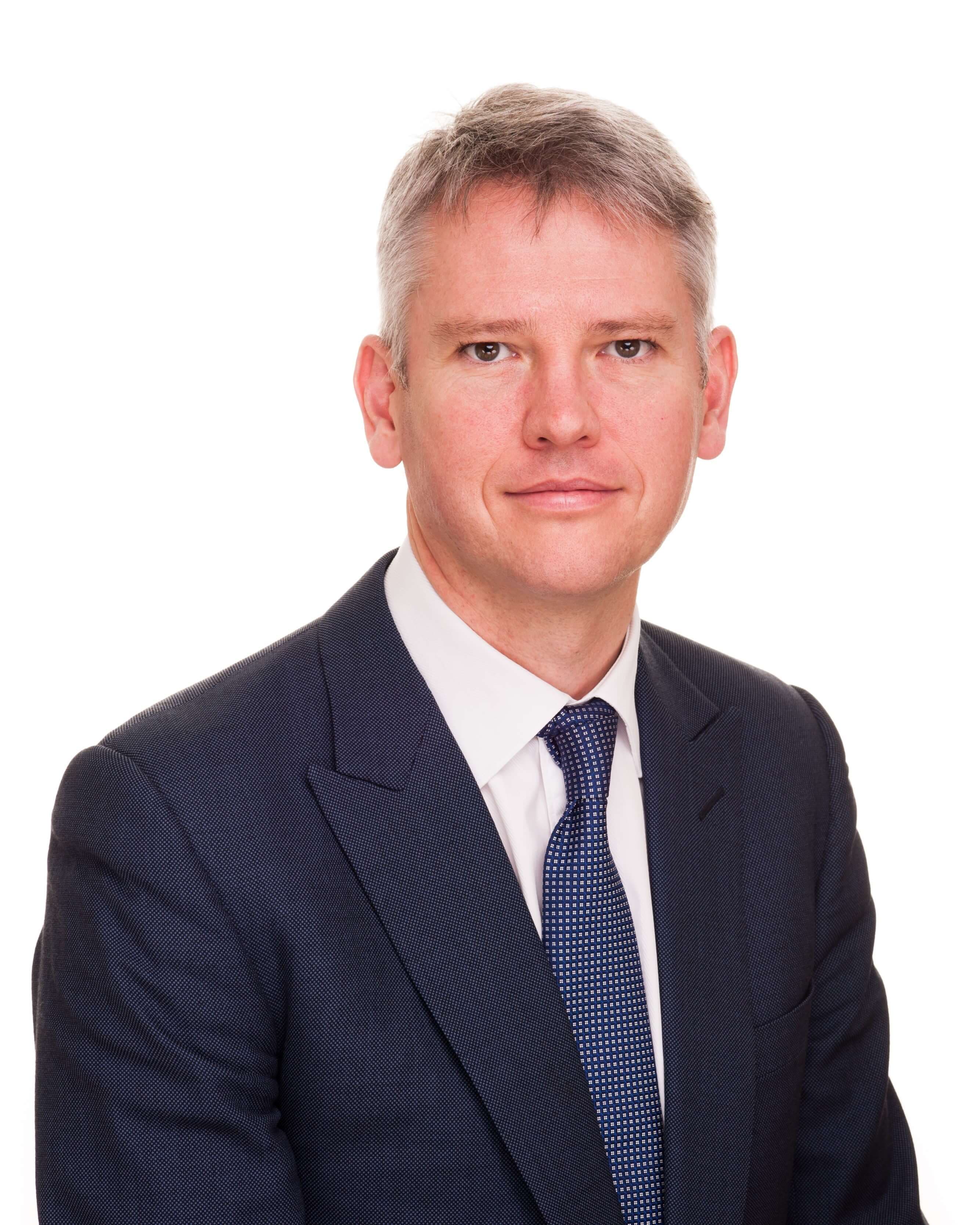
CEO, BAE Systems
Public Views
Experience
Documented career positions
Charles Nicholas Woodburn (born 11 March 1971) is a British business executive and engineer who has served as the Group Chief Executive Officer of BAE Systems since July 2017. A seasoned leader in the defense, aerospace, and energy sectors, Woodburn is noted for his technical background and strategic oversight of one of the world's largest defense contractors. Born in Windsor, Berkshire, Woodburn attended Dr Challoner's Grammar School in Amersham, England. His academic path reflected a strong focus on technical and scientific disciplines, leading him to the University of Cambridge. There, he earned a Bachelor’s degree in Electrical Sciences at St John’s College in 1992, followed by a PhD in Engineering. Later, he broadened his management expertise by obtaining a Master of Business Administration (MBA) from Erasmus University Rotterdam. Woodburn’s early professional career was defined by an extensive tenure in the oil and gas industry, notably a 15-year career at Schlumberger. During his time at the oilfield services company, he held various senior engineering and operational management positions, working across diverse international markets including Thailand, Australia, and the United States. Following his time at Schlumberger, he served as the Chief Executive Officer of the Expro Group, where he gained further experience leading complex global organizations. In 2016, Woodburn transitioned to the defense sector, joining BAE Systems as its Chief Operating Officer. His appointment was widely viewed as a move to bring deep operational and engineering expertise to the company’s executive leadership. He succeeded Ian King as Group Chief Executive Officer in July 2017. Under his leadership, BAE Systems has navigated significant geopolitical shifts, including the company’s involvement in the trilateral AUKUS security partnership and the expansion of its presence in the space domain. His tenure has been characterized by a focus on long-term government partnerships, operational efficiency, and investment in engineering talent and apprenticeships. Woodburn’s contributions to the engineering and business sectors have earned him professional recognition. In 2020, he was elected a Fellow of the Royal Academy of Engineering. In the 2024 New Year Honours, he was appointed a Commander of the Order of the British Empire (CBE) for his services to international trade and skills development. In December 2024, Woodburn was one of several Western executives sanctioned by the Chinese government, a move linked to arms sales involving Taiwan. Outside of his corporate responsibilities, Woodburn resides in Surrey with his family. He is married and has two children, and is known to be an enthusiast for activities such as cycling and skiing. His career path from an engineer to the head of a FTSE 100 company is frequently cited as a model for aligning deep technical acumen with complex, high-stakes global management.
Commands the largest defense contractor in Europe overseeing a massive global workforce and generating record-breaking revenues driven by global rearmament
Secured BAE Systems' position as the absolute primary industrial architect of the AUKUS security pact tasked with designing and constructing the SSN-AUKUS nuclear-powered attack submarines
Faces continuous intense protests and direct action campaigns from pro-Palestinian and anti-arms trade activists who frequently blockade BAE Systems factories in the UK due to the company's massive supply of fighter jet components and munitions to the Israeli Air Force
Navigates extreme intense pressure from the UK Ministry of Defence to strictly control costs on the Dreadnought-class nuclear submarine program which historically suffers from massive budget overruns and delays threatening the UKs continuous at-sea deterrent
In December 2024, the Chinese government imposed sanctions on Charles Woodburn and other top BAE Systems executives in response to the company's role in supplying arms to Taiwan, a move that increased geopolitical tensions.
News articles featuring Charles Woodburn
Leading the incredibly complex tri-national industrial development of the Global Combat Air Programme (GCAP) partnering with Mitsubishi Heavy Industries and Leonardo to build a sixth-generation fighter jet
Successfully executed the massive 5.5 billion dollar acquisition of Ball Aerospace expanding BAEs highly critical footprint in the United States space and intelligence sectors
Graduated from St John's College, University of Cambridge, with a bachelor's degree in electrical sciences in 1992
Earned a PhD in engineering from the University of Cambridge around 1995
Joined Schlumberger in 1995, where he spent 15 years in various engineering and senior operational roles across Asia, Australia, and the US
Appointed Chief Executive Officer of Expro Group in 2010
Joined BAE Systems as Chief Operating Officer in May 2016
Appointed Chief Executive Officer of BAE Systems in July 2017
Elected as a Fellow of the Royal Academy of Engineering in 2020
Appointed Commander of the Order of the British Empire (CBE) in the 2024 New Year Honours for services to international trade and skills development
Throughout his tenure, Woodburn has faced repeated criticism regarding his high compensation packages, which have included significant performance-related bonuses and share awards, drawing scrutiny from shareholders and advocacy groups concerned with executive pay in the defense industry.
In 2024, Woodburn faced public criticism after selling a significant number of his BAE Systems shares during the ongoing Gaza-Israel conflict. While the company stated the transactions were for real estate purchases and legitimate financial management, critics argued that the timing raised ethical concerns regarding profiting from market volatility driven by armed conflict.
During his time as CEO, Woodburn has been subject to ongoing criticism from human rights organizations regarding BAE Systems' arms sales to regimes such as Saudi Arabia and Israel, with activists arguing the company's business model profits from instability, civilian suffering, and alleged human rights violations.