We're loading the complete profile of this person of interest including their biography, achievements, and contributions.
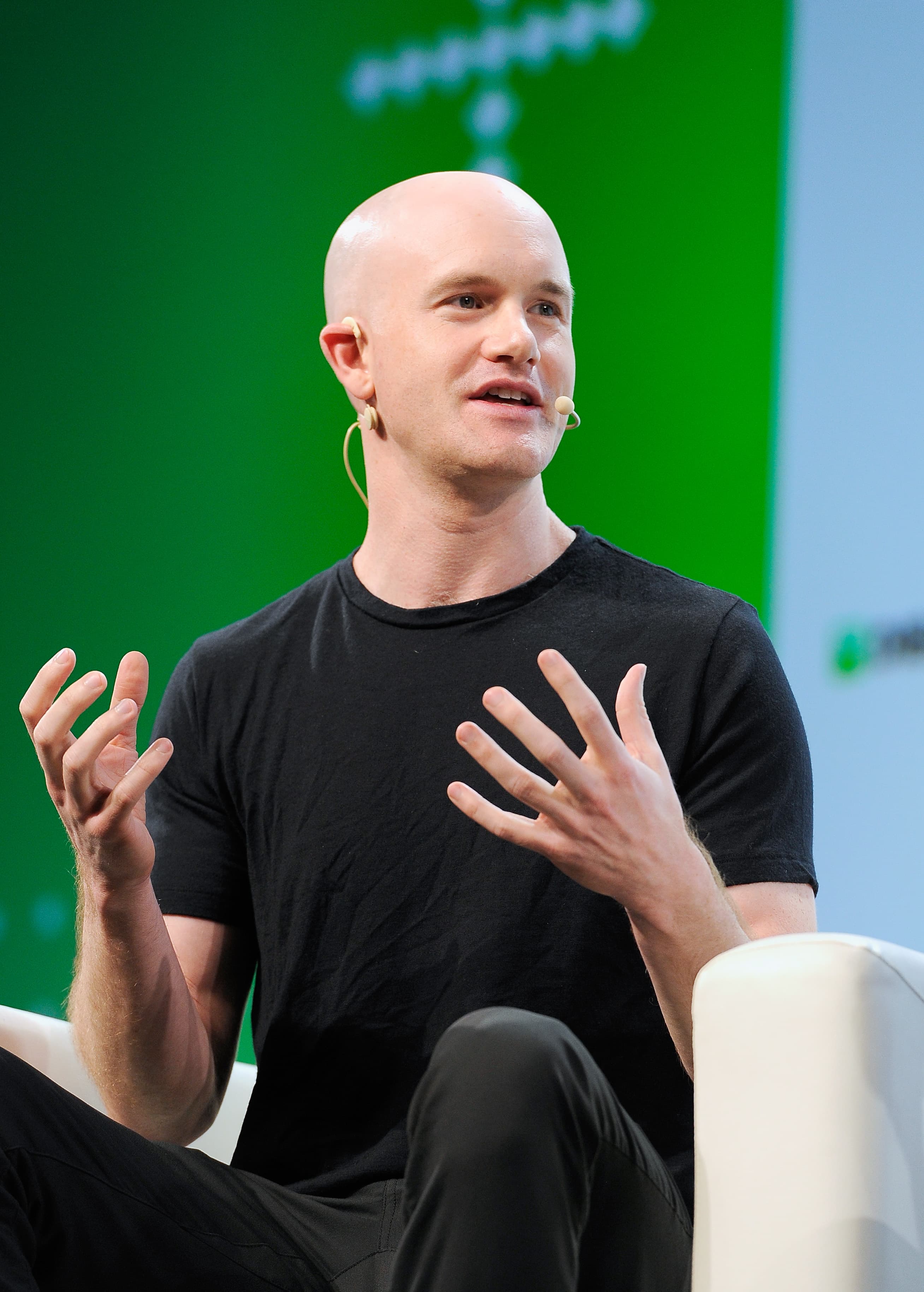
Co-Founder & CEO, Coinbase
Public Views
Experience
Documented career positions
Brian Armstrong (born January 25, 1983) is an American technology entrepreneur and businessman, best known as the co-founder and CEO of the cryptocurrency exchange Coinbase. As a central figure in the mainstream adoption of digital assets, Armstrong has transitioned from a software engineer to the leader of one of the most prominent financial technology companies in the world, playing a pivotal role in bridging the gap between traditional finance and the decentralized crypto economy. Born in San Jose, California, Armstrong grew up in a household centered on engineering and technology; both of his parents were engineers. He attended Bellarmine College Preparatory, a private Jesuit secondary school, before enrolling at Rice University in Houston, Texas. At Rice, he pursued a rigorous academic path, earning a dual bachelor's degree in economics and computer science in 2005, followed by a master's degree in computer science in 2006. During his time as a student, Armstrong demonstrated early entrepreneurial initiative, including founding a business that matched tutors to students. Armstrong’s professional career began with significant experience in corporate and startup environments. He gained early experience as a software developer intern at IBM and later served as a consultant for the enterprise risk management division at Deloitte & Touche. In 2011, he joined Airbnb as a software engineer, a position that exposed him to the complexities of international payments and the inefficiencies of traditional banking infrastructure. While at Airbnb, he encountered the Bitcoin white paper, which fundamentally altered his outlook on finance. Inspired by the potential for a decentralized, borderless, and efficient financial system, he began coding what would become his life’s work during his nights and weekends. In 2012, Armstrong applied to the Y Combinator startup accelerator with his prototype for a cryptocurrency service. Accepted into the program, he received $150,000 in seed funding. Through a connection on a Reddit subgroup, he met Fred Ehrsam, a former Goldman Sachs trader, who became his co-founder. Together, they launched Coinbase with the goal of making it simple for the general public to buy, sell, and store Bitcoin. Under Armstrong’s leadership, the company rapidly expanded its offerings, emphasizing regulatory compliance and user experience, which distinguished it from many earlier, more fringe crypto operations. This strategy facilitated mainstream trust, enabling Coinbase to grow into the largest cryptocurrency exchange in the United States. A defining milestone in Armstrong’s career occurred on April 14, 2021, when Coinbase became a publicly traded company on the NASDAQ exchange via a direct listing. The event was a watershed moment for the cryptocurrency industry, validating the legitimacy of digital assets in the eyes of institutional investors and the broader financial sector. Beyond Coinbase, Armstrong has diversified his entrepreneurial pursuits. He co-founded NewLimit, a biotechnology company focused on epigenetic reprogramming to extend human health span, and launched ResearchHub, an open-access platform aimed at accelerating scientific collaboration and discovery. Throughout his career, Armstrong has been a prominent advocate for regulatory clarity and the long-term potential of blockchain technology. He is known for his "mission-focused" leadership style, which prioritizes the company's core objectives and discourages internal political activism. This stance has often garnered significant public and media attention. In addition to his business ventures, Armstrong signed the Giving Pledge in 2018, committing to donate the majority of his wealth to charitable causes over his lifetime. His work continues to influence the global development of digital financial infrastructure and the ongoing dialogue between the technology sector and regulatory bodies.
AI-powered civic intelligence rating
Co-founded Coinbase and executed its massive, historic direct public offering (DPO) on the NASDAQ in 2021, briefly valuing the company at nearly $100 billion
Successfully built and launched 'Base,' a highly popular Ethereum Layer 2 network that drastically reduced transaction fees and fostered a massive decentralized app (dApp) ecosystem
Faced a massive, existential lawsuit from the SEC under Gary Gensler in 2023, which accused Coinbase of operating as an unregistered securities exchange, broker, and clearing agency (A regulatory war Armstrong aggressively fought in federal court until the political winds shifted in 2025)
Infamously instituted a highly controversial 'no politics at work' policy in 2020, offering severance packages to employees who wished to leave if they disagreed with the mandate, sparking intense debate across Silicon Valley regarding corporate activism
Criticized by cryptocurrency purists and 'Bitcoin maximalists' who argue that Coinbase's massive centralization and cooperation with federal law enforcement fundamentally betrays the cypherpunk ethos of digital currency
News articles featuring Brian Armstrong
Effectively operated as the primary political lobbyist for the crypto industry, utilizing massive super PAC funding (Fairshake) to influence US elections and secure pro-crypto legislative frameworks
Secured Coinbase's status as the trusted, primary custodian for the vast majority of Wall Street's massive Bitcoin and Ethereum spot ETFs
Co-founded the tutoring marketplace UniversityTutor in 2003 while a student at Rice University.
Graduated from Rice University in 2005 with a dual Bachelor's degree in economics and computer science.
Earned a Master of Science degree in computer science from Rice University in 2006.
Joined Airbnb as a software engineer in 2011, where he experienced payment system challenges that influenced his later work.
Co-founded the cryptocurrency exchange Coinbase in June 2012.
Participated in the Y Combinator startup accelerator program with Coinbase in 2012, receiving seed investment.
Received the Education Riskmaster Award from BizWorld.org in 2014 for his entrepreneurial contributions.
Ranked #10 on Fortune's 40 Under 40 list in 2017.
Ranked #20 on Fortune's 40 Under 40 list in 2018.
Launched the nonprofit GiveCrypto.org in 2018 to distribute cryptocurrency to the unbanked.
Signed the Giving Pledge in 2018, becoming the first cryptocurrency entrepreneur to commit to donating the majority of his wealth to philanthropy.
Named to the Time 100 Next list by Time magazine in 2019.
Guided Coinbase to a historic direct listing on the Nasdaq stock exchange in April 2021, the first major cryptocurrency exchange to go public in the U.S.
Named #1 on the Forbes Crypto Rich List in 2021.
In September 2020, Armstrong implemented a 'no politics' policy at Coinbase, prohibiting employees from engaging in political or social activism within the workplace. The policy sparked significant internal and external criticism, leading to the voluntary resignation of approximately 5% of the company's workforce.
In January 2023, Coinbase reached a $100 million settlement with the New York Department of Financial Services (NYDFS) to resolve investigations into compliance failures. The agreement required the company to pay a $50 million civil penalty and invest an additional $50 million to enhance its anti-money laundering and cybersecurity programs.
In June 2023, the U.S. Securities and Exchange Commission (SEC) sued Coinbase, alleging the company operated as an unregistered securities exchange, broker, and clearing agency. The legal action highlighted deep regulatory tensions between the exchange and federal authorities, with the case reportedly being dismissed by 2025.
In December 2020, Coinbase faced public scrutiny following a New York Times report alleging significant pay disparities for Black and female employees compared to their counterparts. The company publicly denied the claims, citing independent and internal investigations that it asserted found no evidence of structural bias.
As of early 2026, Armstrong and other Coinbase executives are defendants in a shareholder derivative lawsuit filed in the U.S. District Court for the District of New Jersey. The complaint alleges that leadership breached fiduciary duties by misleading investors about custody and compliance risks, and that insiders profited from the sale of company stock using nonpublic information during the 2021 direct listing.