Business-driven stories that matter
Stay connected with the latest insights from our business ecosystem.
Senegal overcomes a controversial penalty decision and a near-walkout to defeat hosts Morocco 1-0 in extra time, claiming the 2025 AFCON title in Rabat.
A Kilifi businessman breaks the internet by gifting his 16-year-old daughter two luxury cars, sparking a viral debate on parenting, wealth, and the cost of living.
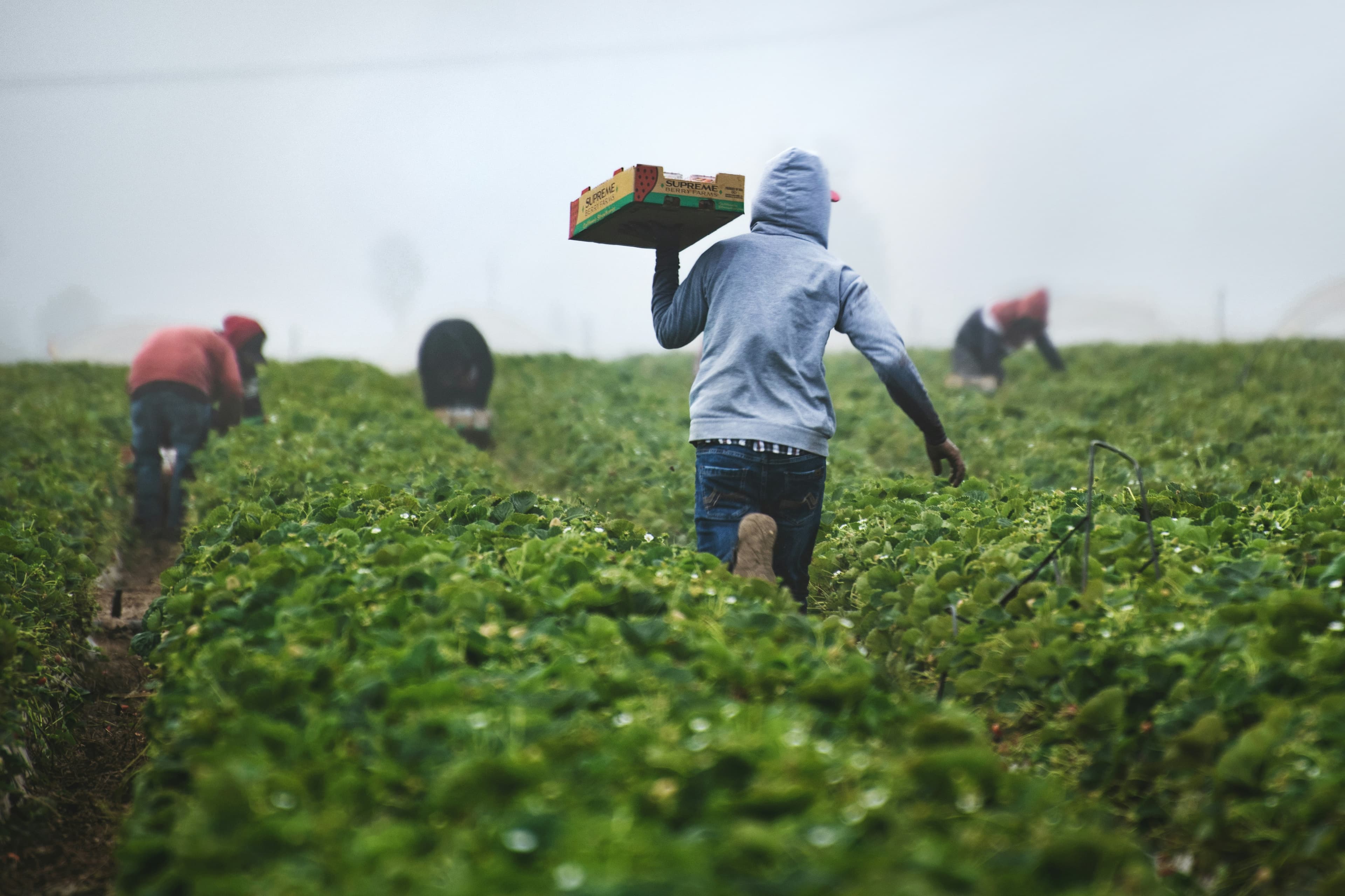
The EU grants Sh645 million to support 40,000 farmers in Western Kenya, aiming to restore soil health through agroecology and reverse the damage of chemical fertilizers.
Four state-owned sugar mills resume operations under a new management model, offering hope to 80,000 farmers and promising lower sugar prices, though debt concerns linger.
Investigative Report: Oxfam reveals the richest 1% have used their 2026 carbon budget in just 10 days, calling for a "Wealth Tax" on the super-rich to fund climate action.
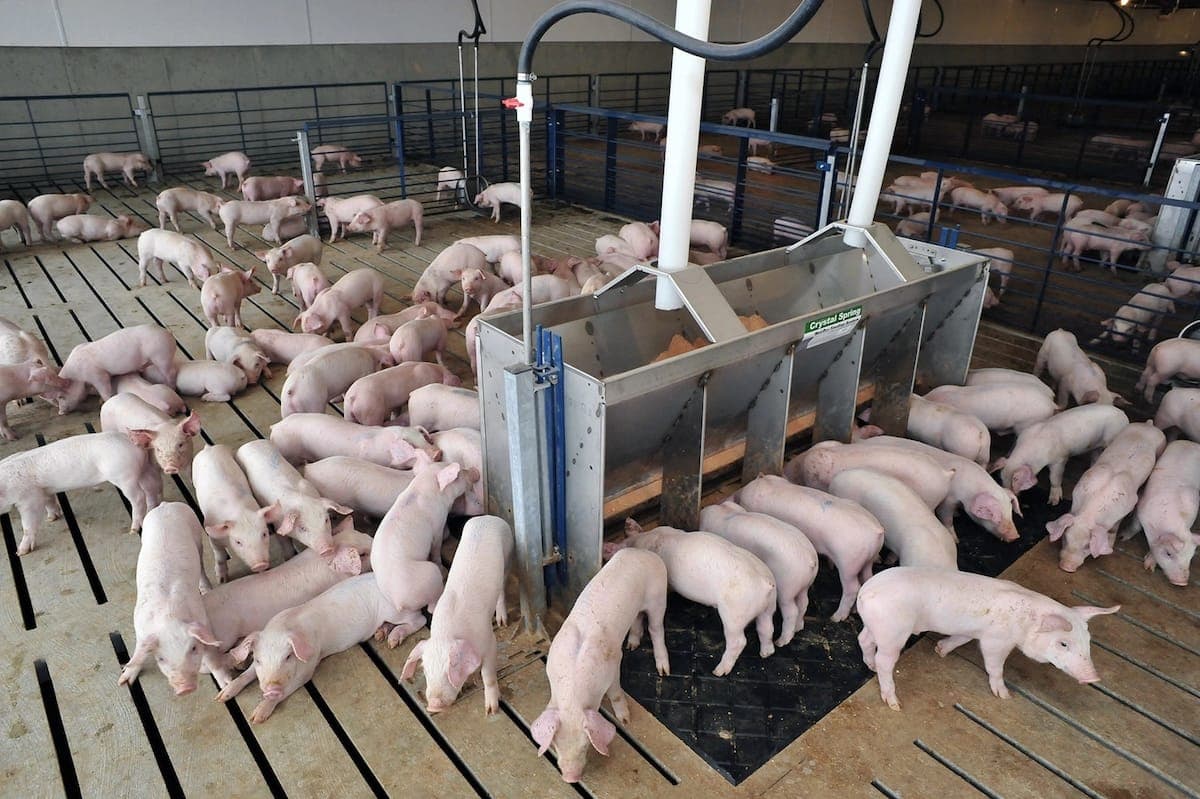
Youth in Kiambu are turning to pig farming as a lucrative alternative to unemployment, leveraging small land sizes and high demand for pork to build sustainable businesses.
Storm Goretti hits the UK with 99mph winds and heavy snow, cutting power to 37,000 homes and causing widespread travel disruption across the country.
Victoria issues a "shelter in place" order as extreme heat creates life-threatening conditions, while a tropical cyclone menaces Queensland in a dual climate crisis.
Russian airstrikes target Ukraine’s energy grid, leaving over a million people without heat or water in freezing temperatures, a tactic aimed at breaking civilian morale.
Sir Tim Smit argues that political extremism is a temporary "hangover" and predicts a moral shift as humanity wakes up to a brighter, greener future.
Government inks definitive agreement with Chinese and UAE partners to construct the long-delayed dam, aiming to irrigate 300,000 acres and end the country’s reliance on rain-fed agriculture.
After a dangerously dry start, atmospheric rivers deliver a water lifeline to the American West, offering fresh data on the erratic weather patterns reshaping agriculture worldwide.
Wildlife advocates decry the "quiet" reversal as barbaric, warning of ecological fallout as Australian farmers retain the right to use lethal force against crop-raiding pollinators.