We're loading the full news article for you. This includes the article content, images, author information, and related articles.
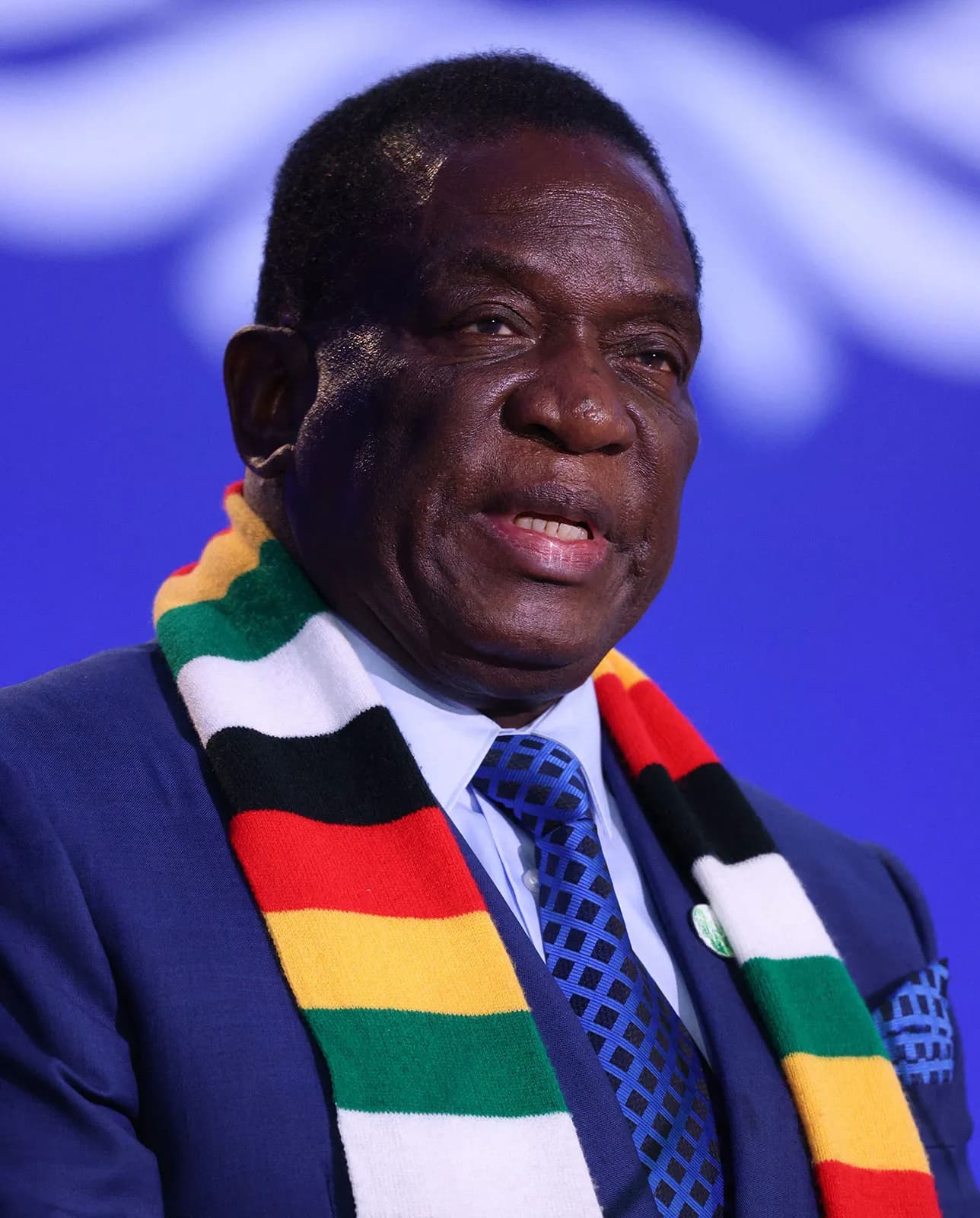
ZANU PF Harare Province has endorsed the proposed Constitutional Amendment Bill Number 3 to extend President Emmerson Mnangagwa's incumbency beyond 2028.

The ruling ZANU-PF party’s Harare provincial leadership has officially endorsed the contentious Constitutional Amendment Bill Number 3, signaling a pivotal move to extend President Emmerson Mnangagwa’s tenure beyond 2028.
In a political development that has sent ripples through the Southern African Development Community (SADC) region, the ZANU-PF Harare Provincial Coordinating Committee (PCC) has thrown its full weight behind the proposed Constitutional Amendment Bill Number 3. This legislative maneuver is designed to stretch President Emmerson Mnangagwa’s incumbency, effectively permitting him to remain in office beyond the conclusion of his second and final term in 2028.
The move is being characterized by party loyalists as a necessary step to align the country’s executive terms with the national vision of 2030. However, the opposition and legal scholars are already mounting a fierce defense, describing the move as a direct subversion of the democratic process that was enshrined in the 2013 Constitution.
The core of the proposal, often referred to within party circles as the "Resolution Number 1," involves a fundamental shift in the presidential term structure. Specifically, the Bill proposes amending Section 95(2B) of the Constitution to increase the presidential term limit from the current five-year cycle to a seven-year mandate. Proponents of the bill, including Harare provincial chairperson Godwills Masimirembwa, argue that a longer term creates an "incentive" for development, reducing the constant, disruptive cycle of elections that he claims hampers economic planning.
Under the proposed architecture, the amendments are not limited to term extension. The draft legislation also reportedly includes provisions for:
Legal experts, including international human rights scholars like Dr. Justice Mavedzenge, have labeled the proposal a "planned constitutional coup." The primary legal contention rests on Section 328 of the Zimbabwean Constitution, which creates an entrenched clause preventing term-limit extensions from benefiting the incumbent. The government’s challenge, therefore, is to maneuver around this constitutional prohibition without triggering a requirement for a national referendum, which they ostensibly view as a hurdle.
For the average Zimbabwean, the economic stakes are incredibly high. With the local currency facing volatility—effectively making basic goods costlier for the common citizen—critics argue that the legislative focus is misplaced. Instead of addressing the hyperinflationary pressures or the need for an estimated KES 150bn (approx. $1.15bn) in infrastructure investment to stabilize the power sector, the administration appears preoccupied with the mechanics of political survival.
The move has significant implications for regional stability. As other nations in the East and Southern African blocs grapple with their own democratic transitions, Zimbabwe’s potential shift toward an extended presidency serves as a litmus test for the strength of constitutional institutions in the region. Observers are keenly watching to see if the ZANU-PF can successfully mobilize public support during the upcoming Parliamentary public consultations.
“The people will have the final say,” Masimirembwa stated, urging supporters to turn out in large numbers during the upcoming public hearings. However, civil society organizations, ranging from youth groups to established legal forums, are preparing to organize counter-narratives. The path to 2030 remains fraught with legal obstacles and political tensions that threaten to keep the nation in a state of perpetual "election mode."
As the bill moves toward the floor of Parliament, the international community remains expectant. Whether this amendment succeeds will likely depend not just on the parliamentary math, but on the ability of the executive to quell domestic dissent and satisfy the concerns of regional observers who advocate for democratic continuity over political consolidation.
Keep the conversation in one place—threads here stay linked to the story and in the forums.
Sign in to start a discussion
Start a conversation about this story and keep it linked here.
Other hot threads
E-sports and Gaming Community in Kenya
Active 9 months ago
The Role of Technology in Modern Agriculture (AgriTech)
Active 9 months ago
Popular Recreational Activities Across Counties
Active 9 months ago
Investing in Youth Sports Development Programs
Active 9 months ago
Key figures and persons of interest featured in this article