We're loading the full news article for you. This includes the article content, images, author information, and related articles.
The Zanzibar Airports Authority has aggressively refuted social media claims of systemic luggage theft at its international terminal, following a rigorous, month-long internal investigation.
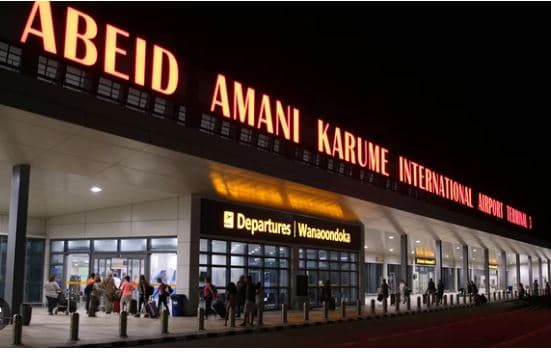
The Zanzibar Airports Authority has aggressively refuted social media claims of systemic luggage theft at its international terminal, following a rigorous, month-long internal investigation.
In a decisive move to protect the reputation of its primary aviation hub, the Zanzibar Airports Authority (ZAA) has categorically denied any institutional admission of baggage theft at the Abeid Amani Karume International Airport (AAKIA).
This fierce defense of operational integrity is critical for the East African aviation and tourism sector. For regional hubs like Kenya's Jomo Kenyatta International Airport (JKIA), which constantly battles its own logistical PR crises, Zanzibar's rapid, transparent investigative response sets a high standard for how aviation authorities must handle viral misinformation that threatens to destabilize multi-million-dollar tourism economies.
The controversy erupted across social media platforms, with rampant allegations suggesting that the ZAA had formally admitted to a crisis of systematic luggage pilferage at AAKIA. Director General Seif Abdallah convened a highly publicized press briefing to dismantle these reports, labeling them as fundamentally misleading and factually inaccurate. He stressed with absolute clarity that the authority had never issued any statement confirming that such thefts were occurring within the airport's heavily monitored perimeter.
Abdallah acknowledged the genesis of the rumors: legitimate complaints from local traders regarding missing or structurally tampered luggage. However, he drew a stark line between receiving a complaint and confirming the location of the crime. The assumption that tampered baggage arriving in Zanzibar was necessarily compromised by local handlers represents a critical leap in logic that the ZAA was determined to investigate meticulously.
Upon receiving the initial complaints, the ZAA mobilized a specialized investigative committee, initiating an exhaustive, 30-day inquiry. The operational focus was immediately directed toward the most vulnerable vector in the baggage handling process: the aircraft cargo hold. Historically, this confined section operates in a surveillance blind spot, making it the prime location for potential malfeasance during transit.
The investigative protocols were rigorous. The committee executed surprise inspections of arriving cargo while it remained secured inside the aircraft, and heavily monitored the offloading sequence to ascertain if any luggage had been breached. Furthermore, they supervised comprehensive security screenings for all ground personnel with access to the tarmac. This level of scrutiny mirrors the aggressive anti-corruption measures occasionally deployed at Nairobi's JKIA, highlighting a regional consensus on the necessity of draconian security protocols in aviation.
The conclusion of the investigation, heavily supported by forensic photographic and CCTV evidence, determined that the vast majority of compromised luggage had been tampered with at origin airports or during layovers, long before the aircraft touched down at AAKIA. Despite finding no evidence of localized systemic theft, the ZAA recognized the necessity of upgrading its security architecture to provide absolute passenger confidence.
In a proactive, tech-forward mandate, the ZAA has ordered all ground handling service providers to immediately install advanced surveillance cameras within the aircraft cargo holds. Additionally, baggage handlers must now be equipped with active body-worn cameras during all offloading operations. This massive hardware upgrade, requiring investments of millions of Kenyan Shillings (KES) equivalent, ensures total operational transparency and immediate accountability.
By aggressively confronting digital rumors with rigorous investigation and technological upgrades, Zanzibar is sending a clear message: its airport is a fortress, and its tourism economy is secure.
Keep the conversation in one place—threads here stay linked to the story and in the forums.
Sign in to start a discussion
Start a conversation about this story and keep it linked here.
Other hot threads
E-sports and Gaming Community in Kenya
Active 9 months ago
The Role of Technology in Modern Agriculture (AgriTech)
Active 9 months ago
Popular Recreational Activities Across Counties
Active 9 months ago
Investing in Youth Sports Development Programs
Active 9 months ago
Key figures and persons of interest featured in this article