We're loading the full news article for you. This includes the article content, images, author information, and related articles.
Off the coast of Cape Point, a collision between commercial trawlers and endangered seabirds is forcing a rethink of how we harvest the ocean—with lessons for Kenya’s own blue economy.
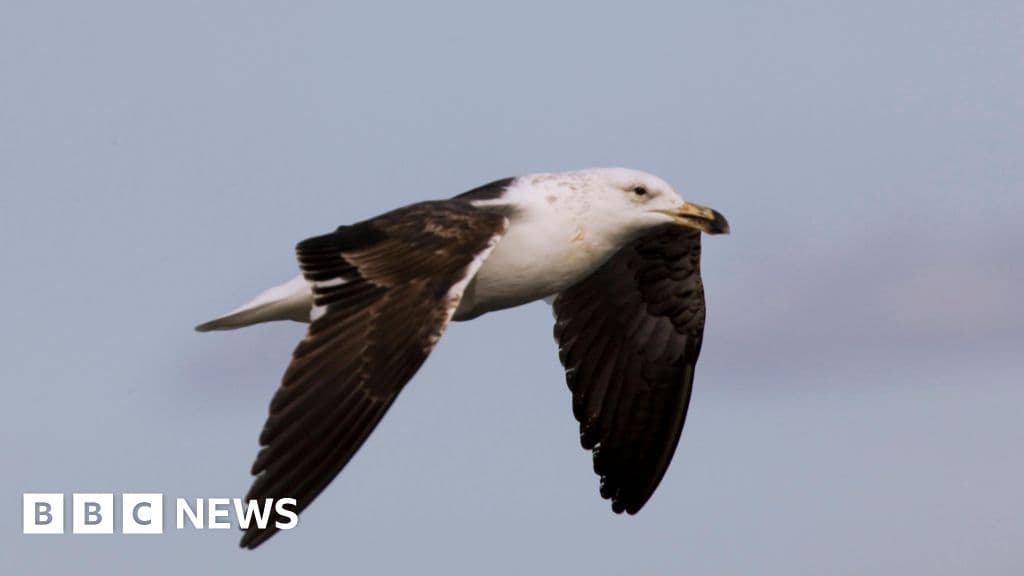
Twenty-seven nautical miles off Cape Point, where the Atlantic swells turn a deep, bruising indigo, the horizon is alive with the chaotic, majestic dance of the Atlantic Yellow-nosed and Black-browed Albatross.
For the bird watchers aboard the small vessel operated by Cape Town Pelagics, the sighting is a bucket-list moment. These oceanic wanderers are rarely seen from the mainland, requiring a journey into the open ocean to witness their wingspans—some reaching over two meters—gliding effortlessly against the wind.
But this spectacle hides a grim reality: the very vessels these birds trail for food are becoming their graveyards, a conflict between commerce and conservation that threatens to wipe out some of the ocean’s most iconic wanderers.
The drama unfolds under a clear summer sky. The skipper of the tour boat monitors his radio, scanning not for birds, but for industrial fishing trawlers. He knows that where the nets go, the birds follow.
As the tour boat pulls alongside a working trawler, the water churns with activity. Hundreds of seabirds trail the vessel, conditioned to associate the engine’s hum with an easy meal. They are waiting for offal—discarded fish heads and guts thrown overboard as crews process their catch.
It is a fatal attraction. In the frenzy to snatch scraps, birds often dive directly into the nets or get snagged on hooks.
Tim Appleton, a British conservationist and founder of the Global Bird Fair, identifies the primary culprit: longline fishing. This industrial method deploys lines that can stretch for kilometers, studded with thousands of baited hooks intended for high-value catch like tuna.
“They get caught on what they call long lines,” Appleton explained, noting that the birds attempt to steal the bait before it sinks, only to become hooked themselves and dragged underwater to drown.
While the albatross is a rare visitor to Kenyan waters compared to the Southern Ocean, the issue of bycatch—the accidental capture of non-target species—is a critical conversation for East Africa’s developing Blue Economy.
Global data suggests that commercial fisheries pose the single greatest threat to the world’s 22 albatross species, 15 of which are threatened with extinction. The mechanics of the loss are devastating:
For Kenya, a nation striving to maximize its Indian Ocean tuna resources—a sector worth billions of shillings annually—the South African experience serves as a cautionary tale. Sustainable fishing is no longer just about fish stocks; it is about the entire marine ecosystem.
There is, however, a glimmer of hope on these choppy waters. Organizations like Cape Town Pelagics are not just observing the decline; they are funding the solution. Profits from these bird-watching tours are often funneled into research and conservation efforts, including the deployment of 'Bird Scaring Lines' (BSLs).
These simple, cost-effective streamers hang behind fishing boats, creating a physical curtain that scares birds away from the danger zone where hooks enter the water. In fisheries where these have been strictly implemented, seabird deaths have dropped by up to 90%.
As the tour boat turns back toward the Cape, leaving the trawlers behind, the lesson is clear. The survival of these masters of the air depends on a human choice: to continue harvesting the sea with blind efficiency, or to adapt our methods to ensure the albatross continues to patrol the wake.
Keep the conversation in one place—threads here stay linked to the story and in the forums.
Sign in to start a discussion
Start a conversation about this story and keep it linked here.
Other hot threads
E-sports and Gaming Community in Kenya
Active 9 months ago
The Role of Technology in Modern Agriculture (AgriTech)
Active 9 months ago
Popular Recreational Activities Across Counties
Active 9 months ago
Investing in Youth Sports Development Programs
Active 9 months ago