We're loading the full news article for you. This includes the article content, images, author information, and related articles.
A ferocious storm has ravaged Handeni District in Tanzania, destroying homes and infrastructure, and raising urgent questions about climate resilience across East Africa.
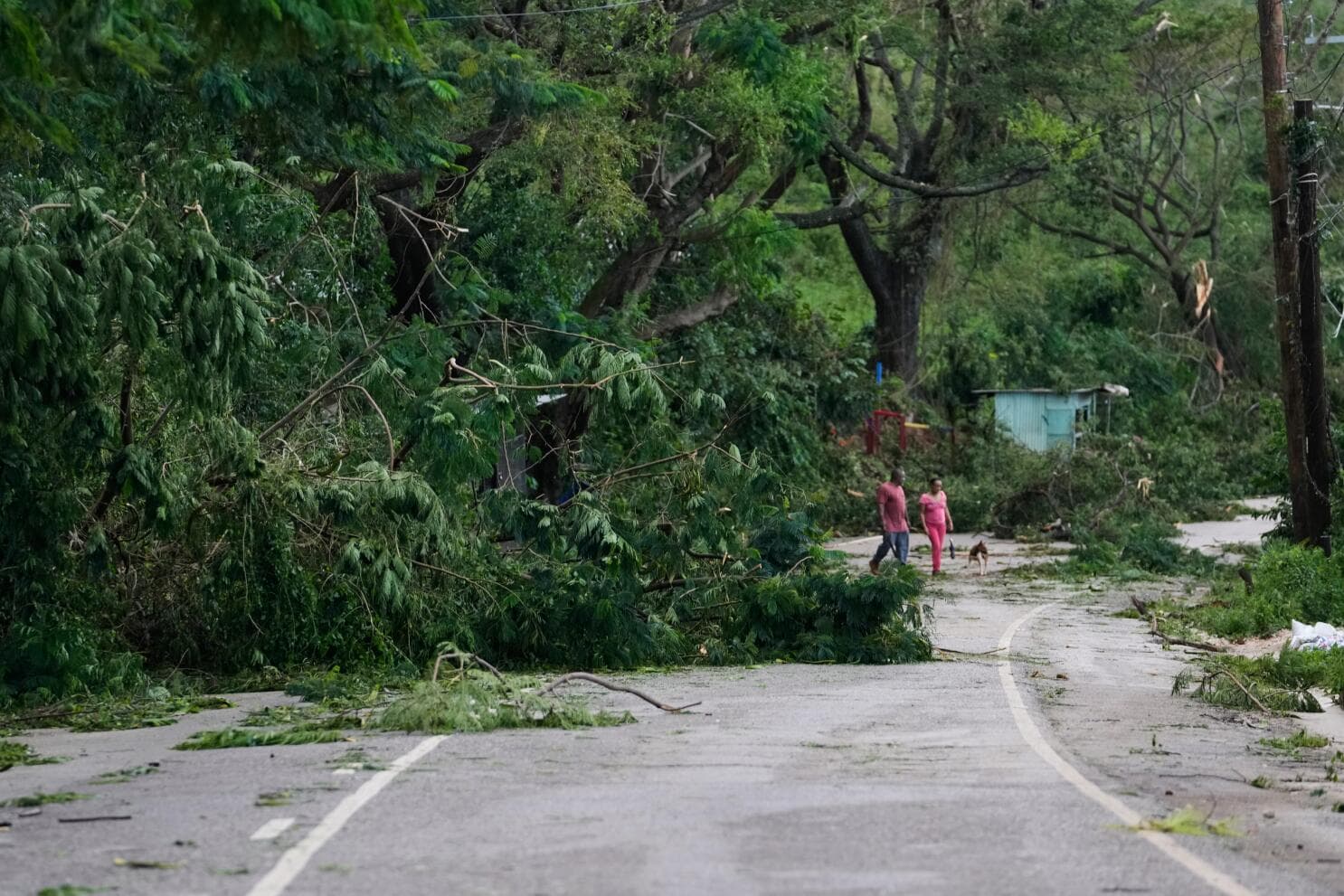
A ferocious storm has ravaged Handeni District in Tanzania, destroying homes and infrastructure, and raising urgent questions about climate resilience across East Africa.
Under the cover of darkness, a two-hour tempest ripped through the Msomera ward on Saturday night, tearing the roofs off 92 houses and displacing hundreds of residents into the unforgiving elements.
This sudden devastation is not an isolated event but a stark warning of the accelerating climate crisis in the region. For neighboring Kenya, currently grappling with its own erratic weather patterns, the destruction in Handeni serves as a critical case study in the urgent need for robust disaster preparedness and infrastructural resilience across the East African Community.
The downpour, which commenced at approximately 19:00 East Africa Time (EAT) and intensified over two relentless hours, brought with it wind speeds that structural engineers warn are becoming dangerously frequent. The sheer kinetic force of the storm compromised not just residential dwellings but vital civic infrastructure. The Msomera Primary Court and the Msomera Health Centre, critical hubs for the local population, sustained catastrophic roof failures. Families found themselves abruptly exposed to the torrential rains, their sanctuaries transformed into hazardous zones of flying debris and rising floodwaters.
The situation rapidly deteriorated as the local topography was overwhelmed. Swollen streams, unable to navigate blocked drainage channels clogged with uprooted trees and dislodged stumps, carved destructive new paths alongside arterial roads. This hydrological chaos eroded crucial soil foundations and effectively severed key transport routes, isolating the community in its most vulnerable hour. Three vital bridges were washed away entirely, complicating immediate rescue and assessment efforts.
The structural vulnerability exposed in Handeni offers a sobering reflection for urban and rural planners in Kenya. As climate patterns shift, the East African region is experiencing intensified cyclical extremes—from debilitating droughts to sudden, overwhelming deluges. In Kenya, informal settlements in Nairobi and rural agricultural hubs in the Rift Valley face parallel vulnerabilities. The destruction of the Msomera Health Centre highlights a critical weakness: when essential services are knocked offline during a crisis, the secondary health impacts often outpace the initial disaster.
Tanga Regional Commissioner Batilda Burian, leading the emergency Security Committee, confirmed the extensive scale of the damage. Handeni District Commissioner Salum Nyamwese categorized the storm as unprecedented in its sudden ferocity. The disruption extends to food security and education; the kitchen at Msomera Secondary School was decimated, and local reservoirs in Msomera and Mnunduzi breached their banks, destroying agricultural assets that form the backbone of the local economy.
The immediate recovery effort requires substantial capital injection. Authorities estimate an urgent need for at least 1,000 iron sheets, alongside critical emergency supplies including mattresses, blankets, and potable water. While the exact financial toll is still being calculated, rebuilding the civic infrastructure alone could cost tens of millions of Tanzanian Shillings—equivalent to millions of Kenyan Shillings (KES). For instance, an emergency infrastructure fund of 500 million TZS roughly translates to KES 25 million, a significant unplanned expenditure for any local government.
The overarching lesson for the East African bloc is clear. Reactive humanitarian aid, while necessary, is an insufficient strategy for the new climate reality. Proactive investment in climate-resilient infrastructure—from reinforced roofing standards to advanced hydrological modeling for drainage—is a non-negotiable economic imperative. The storm in Handeni is a localized tragedy, but its implications echo loudly across the borders into Kenya and beyond.
As the residents of Msomera begin the arduous task of rebuilding their lives from the mud, the broader region must decide whether to heed this warning or wait for the next storm to test its fragility.
Keep the conversation in one place—threads here stay linked to the story and in the forums.
Sign in to start a discussion
Start a conversation about this story and keep it linked here.
Other hot threads
E-sports and Gaming Community in Kenya
Active 9 months ago
The Role of Technology in Modern Agriculture (AgriTech)
Active 9 months ago
Popular Recreational Activities Across Counties
Active 9 months ago
Investing in Youth Sports Development Programs
Active 9 months ago