We're loading the full news article for you. This includes the article content, images, author information, and related articles.
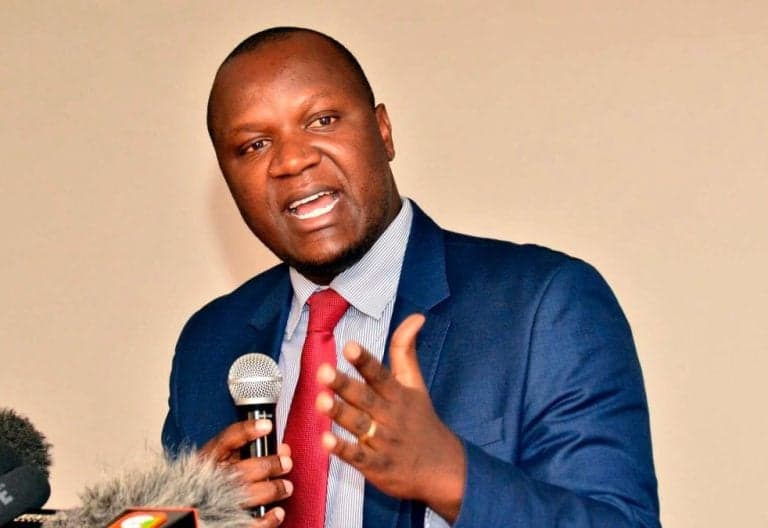
In a blistering critique, political analyst and lawyer Willis Otieno accused the Kenya Kwanza administration of driving the country into financial paralysis, citing failing public services in health, education and devolved units.
Nairobi, Kenya — September 24, 2025, 18:30 EAT
In a blistering critique, political analyst and lawyer Willis Otieno accused the Kenya Kwanza administration of driving the country into financial paralysis, citing failing public services in health, education and devolved units. He claimed that the government is penalising ordinary Kenyans by mismanaging public finances.
Otieno stated on social media that Kenya Kwanza’s fiscal mismanagement has left counties unable to deliver basic services: “The government is broke,” he said, adding that the collapse is deliberate and punitive.
He highlighted the worsening state of hospitals, where medicines are missing; schools with unpaid teachers; and counties unable to function due to underfunding and delayed transfers.
Otieno warned that unless corruption, waste, and fiscal recklessness are checked, the social contract will unravel and public trust will further erode.
In recent years, several counties have delayed or withheld salary payments, blamed on cash-flow constraints and late disbursements from the national government.
The Controller of Budget and the Auditor General reports have flagged massive underperformance of development budgets in many counties, leaving projects incomplete.
In the health and education sectors, shortages of drugs, staff strikes, and dilapidated infrastructure have frequently disrupted services.
The country’s debt servicing obligations continue to eat into the national budget, constraining allocation to development and social sectors.
Article 207 of the Constitution mandates timely transfers to counties; failure to do so may constitute breach of constitutional duty.
Parliament and oversight bodies (e.g. Public Accounts Committee) are constitutionally empowered to question fiscal management, waste, and misappropriation. Otieno’s remarks may pressure them to step up oversight.
Willis Otieno: Blamed the ruling coalition for prioritising image and political showmanship over citizen welfare.
County officials and local leaders: Many may feel vindicated by his remarks given their frequent public complaints about unreleased funds and stalled projects.
Government / administration response: Likely to deny the accusations or argue that they are facing structural fiscal constraints beyond their control.
Civil society / think tanks: May use Otieno’s comments to push for more transparency, budget reforms, and public accountability.
Political backlash: The government may retaliate with legal demands, public rebuttals or even threats of defamation.
Institutional strain: Intensified scrutiny will pressure institutions like Auditor General, Controller of Budget, and Parliament to act decisively.
Public discontent: Citizens experiencing service breakdowns may mobilise protests or political pressure.
Fiscal panic signals: If reality aligns with the claim, international investors, credit rating agencies, and donor partners may demand reforms or scale back support.
Keep the conversation in one place—threads here stay linked to the story and in the forums.
Sign in to start a discussion
Start a conversation about this story and keep it linked here.
Other hot threads
E-sports and Gaming Community in Kenya
Active 9 months ago
The Role of Technology in Modern Agriculture (AgriTech)
Active 9 months ago
Popular Recreational Activities Across Counties
Active 9 months ago
Investing in Youth Sports Development Programs
Active 9 months ago