We're loading the full news article for you. This includes the article content, images, author information, and related articles.
National Assembly Speaker Moses Wetang'ula faced an unprecedented hurdle during the Law Society of Kenya (LSK) elections, turned away not because of his state office, but due to a missing 2025 practising certificate, sparking widespread debate within the legal fraternity.
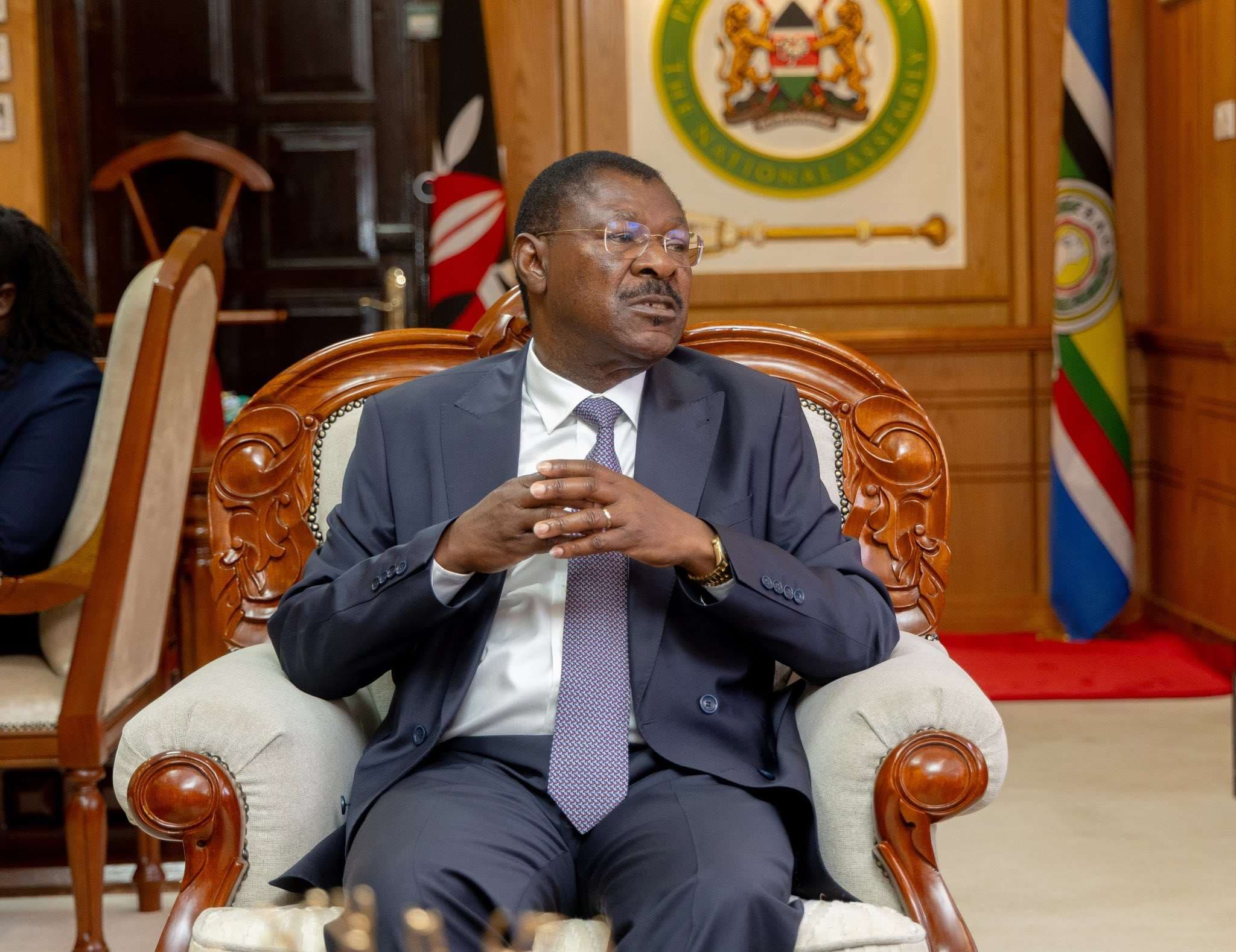
National Assembly Speaker Moses Wetang'ula faced an unprecedented hurdle during the Law Society of Kenya (LSK) elections, turned away not because of his state office, but due to a missing 2025 practising certificate, sparking widespread debate within the legal fraternity.
In a dramatic turn of events at the Supreme Court polling station, National Assembly Speaker Moses Wetang'ula found himself locked out of the critical Law Society of Kenya (LSK) elections, denied the opportunity to cast his ballot.
This incident underscores a rigid adherence to statutory compliance within Kenya's premier legal body. It highlights that no individual, regardless of their lofty political or state position, is above the strict regulatory frameworks governing the legal profession in East Africa's largest economy. The exclusion serves as a stark reminder of the paramount importance of administrative diligence.
The confusion began when Wetang'ula, a seasoned Senior Counsel and advocate of the High Court, arrived to participate in the elections that ultimately saw Charles Kanjama elected as the new LSK President. Upon presenting himself, officials from the Independent Electoral and Boundaries Commission (IEBC) informed the Speaker that his name was conspicuously absent from the certified voter register. The immediate assumption among political commentators was that his role as a State officer precluded his participation, a theory quickly debunked by legal experts.
Lawyer Danstan Omari swiftly clarified the situation, dismissing the political speculation. He explained that the decision was purely administrative, rooted in the eligibility rules tied to the LSK voter register. "The voter register that is used is the register that closed on December 31 last year. If you are not active and you have not renewed your practising certificate, you cannot vote," Omari stated categorically. This clarification shifted the focus from constitutional debate to bureaucratic reality.
According to the Law Society of Kenya Act, the criteria for voting are unequivocal. Only advocates who hold valid practising certificates for the relevant year, and whose names are definitively listed in the certified voter register, are granted the franchise. Wetang'ula had simply not renewed his practising certificate for the year 2025, an omission that automatically disqualified him from the electoral roll.
The incident ignited a fierce debate regarding the obligations of State officers who are also legal professionals. Wetang'ula reportedly questioned the decision at the polling station, arguing that his prominent role as Speaker effectively removes him from mainstream legal practice, thereby rendering the acquisition of a standard practising certificate moot. His argument resonated with several legal observers who felt the rules lacked nuance for high-ranking public servants.
However, Dr. Owiso, the IEBC official supervising the election, held firm, noting that the exclusion was a strict legal requirement stemming from regulations adopted by the LSK members themselves. "State officers do not take PCs, so they can't be on the voter roll unless they decide to take up PCs," Owiso explained. He emphasized that the board was merely enforcing the very laws the legal fraternity had collectively passed.
The rigidity of this rule was starkly contrasted by the smooth participation of other high-profile lawyers holding public office. Figures such as Nairobi Senator Edwin Sifuna, Makueni Governor Mutula Kilonzo Jr, and seasoned politician Martha Karua cast their votes without issue, having presumably met the requisite certification standards. This disparity underscored the absolute necessity of maintaining active professional credentials.
The fallout from this high-profile exclusion is expected to prompt a review of how the LSK handles the membership status of advocates ascending to state offices. While the current law is blind to rank, the practicalities of maintaining a practising certificate while barred from private practice present a unique conundrum.
As the newly elected LSK leadership under Charles Kanjama takes the helm, navigating these internal administrative tensions will be an early test of their resolve. The society must balance the strict interpretation of its governing Act with the practical realities faced by its most distinguished, non-practising members.
"The law remains a jealous mistress, demanding total compliance even from those who command the highest legislative chambers in the land," noted a senior advocate observing the proceedings.
Keep the conversation in one place—threads here stay linked to the story and in the forums.
Sign in to start a discussion
Start a conversation about this story and keep it linked here.
Other hot threads
E-sports and Gaming Community in Kenya
Active 9 months ago
The Role of Technology in Modern Agriculture (AgriTech)
Active 9 months ago
Popular Recreational Activities Across Counties
Active 9 months ago
Investing in Youth Sports Development Programs
Active 9 months ago
Key figures and persons of interest featured in this article