We're loading the full news article for you. This includes the article content, images, author information, and related articles.
Airstrikes, F-16s, and 125,000 displaced: The Trump-brokered peace fails as Cambodia’s strongman returns to the war room.
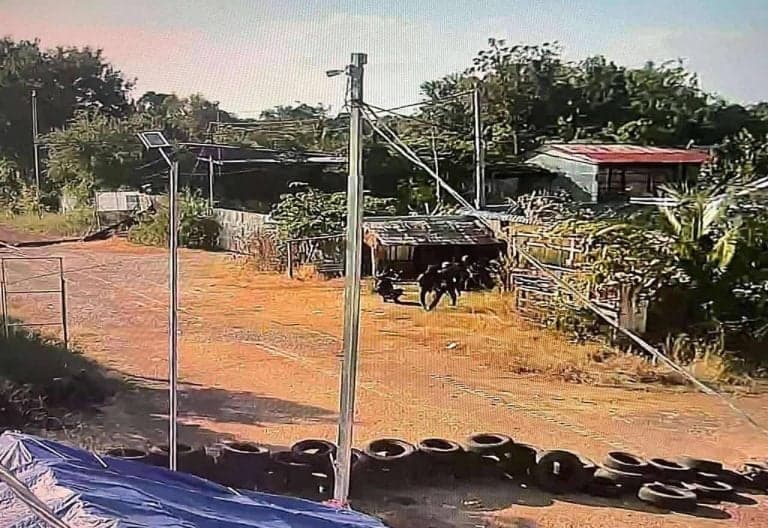
Cambodia’s powerful Senate President Hun Sen on Tuesday, December 9, 2025, vowed that his country would carry out a "fierce fight" against Thailand, signaling a dangerous escalation in a conflict that has already shattered a fragile American-brokered truce. The declaration came as Thai F-16 fighter jets launched airstrikes and artillery pounded border villages, driving tens of thousands of civilians from their homes.
This is no longer a mere border skirmish. It is the collapse of the diplomatic firewall erected just months ago by US President Donald Trump and Malaysian Prime Minister Anwar Ibrahim. For the region, it threatens to destabilize the Association of Southeast Asian Nations (ASEAN) core; for the world, it is another crack in the geopolitical order.
While his son, Hun Manet, officially holds the title of Prime Minister, it is the 73-year-old patriarch, Hun Sen, who has effectively taken command. In a statement released via Telegram, the veteran leader declared that while Cambodia seeks peace, it is "forced to fight back" to defend its sovereignty against what he termed Thai aggression.
The trigger for this renewed violence was a skirmish late Sunday night that left one Thai soldier dead. By Monday morning, the response was disproportionate and lethal. Thai military sources confirmed the use of air power to "deter" Cambodian capabilities, while Phnom Penh reported seven civilian deaths and over 20 injuries.
To the wananchi in Nairobi or Mombasa, a jungle war in Southeast Asia may feel a world away. However, the ripple effects of instability in the "Rice Bowl" of Asia are immediate and financial. Thailand and Cambodia are major global rice exporters. Any disruption to harvest or supply chains inevitably tightens the global grain market, potentially driving up the cost of food imports here in Kenya.
Furthermore, the dispute centers on the Overlapping Claims Area (OCA), a maritime zone believed to hold massive oil and gas reserves. With energy markets already volatile, a prolonged conflict here could spook global oil prices, translating directly to higher pump prices at Kenyan petrol stations (currently averaging KES 180-190 per litre).
"When elephants fight, it is the grass that suffers," noted a Nairobi-based geopolitical analyst. "But in a globalized economy, the grass is also the consumer in East Africa paying more for basic goods."
In a surreal twist, the 33rd Southeast Asian (SEA) Games are currently underway in Thailand. While artillery shells fly across the border, Hun Sen has instructed Cambodian athletes to continue competing, creating a bizarre spectacle of sport continuing amidst warfare.
Thai Prime Minister Anutin Charnvirakul, taking a hardline stance, warned that his government would support "all kinds of military operations" to seize disputed points. This rhetoric suggests that the window for diplomacy is rapidly closing, leaving the region bracing for a protracted conflict.
As the dust settles on the shelled villages of Preah Vihear, the failure of the July ceasefire serves as a grim reminder: peace deals signed in luxury hotels mean little without the political will to keep them on the ground.
Keep the conversation in one place—threads here stay linked to the story and in the forums.
Sign in to start a discussion
Start a conversation about this story and keep it linked here.
Other hot threads
E-sports and Gaming Community in Kenya
Active 9 months ago
The Role of Technology in Modern Agriculture (AgriTech)
Active 9 months ago
Popular Recreational Activities Across Counties
Active 9 months ago
Investing in Youth Sports Development Programs
Active 9 months ago