We're loading the full news article for you. This includes the article content, images, author information, and related articles.
Tensions surge as Israel orders South Lebanon evacuations amidst a regional war with Iran, threatening global trade and stability.

The morning sun over the southern Lebanese village of Arab al-Jal brought no promise of peace, but rather the stark, sterile notification of impending destruction. Residents across the border region are now receiving urgent digital commands to abandon their homes, as the Israeli military initiates targeted strikes against infrastructure it identifies as vital to Hezbollah operations. This latest maneuver is not an isolated tactical decision it represents a deepening of the regional conflict that has consumed the Middle East since the escalation of hostilities on 28 February.
The current situation marks a volatile expansion of the war, drawing in regional powers and threatening to upend global diplomatic and economic stability. For observers in Nairobi and across East Africa, the crisis is far more than a distant geopolitical disagreement. With global supply chains already strained, the potential for a prolonged conflict in the Levant threatens to destabilize energy markets and disrupt maritime traffic through the Red Sea—a critical artery for the Port of Mombasa and the wider regional economy. As evacuation orders multiply and missile exchanges become daily occurrences, the window for de-escalation is narrowing rapidly.
The Israeli military’s recent communication strategy—using social media and geo-tagged digital maps to warn civilians away from specific sites—underscores the shifting nature of this conflict. By marking individual buildings in Arab al-Jal and demanding a 300-meter buffer zone, the military is moving toward a strategy of high-precision destruction within densely populated areas. This approach aims to minimize collateral damage while systematically dismantling militant infrastructure, yet the psychological toll on the civilian population remains catastrophic.
This escalation coincides with increased military activity across the broader theater of the war. Reports from Saudi Arabia indicate that the Kingdom’s defense apparatus has successfully intercepted and neutralized three hostile drones in the eastern region. While official sources remain guarded about the origin of these aerial incursions, the incident illustrates that the geographic scope of the conflict is expanding beyond the immediate Israel-Lebanon border, pulling other regional heavyweights into the fray.
While the conflict is centered in the Middle East, the economic repercussions are felt acutely in Kenya. Economists and market analysts at the Central Bank of Kenya have been monitoring the situation closely, particularly regarding the price of crude oil. The Middle East remains the primary source for the region’s petroleum imports, and any sustained disruption in the Strait of Hormuz—or a broader escalation involving Iran—inevitably drives global oil prices higher. For the average Kenyan household, a sustained spike in oil prices means an immediate increase in transport costs, electricity tariffs, and the price of basic commodities, which rely heavily on logistics.
Furthermore, the security of the Horn of Africa’s maritime corridors is paramount. Should the conflict trigger a full-scale regional blockage or increased insurance premiums for cargo vessels navigating the Red Sea, the ripple effect would be devastating for the East African import-export sector. The Port of Mombasa, the gateway for goods moving into Uganda, Rwanda, and South Sudan, remains highly sensitive to fluctuations in global shipping costs. A rise in freight rates could translate into an inflationary shock, complicating national efforts to manage the cost of living.
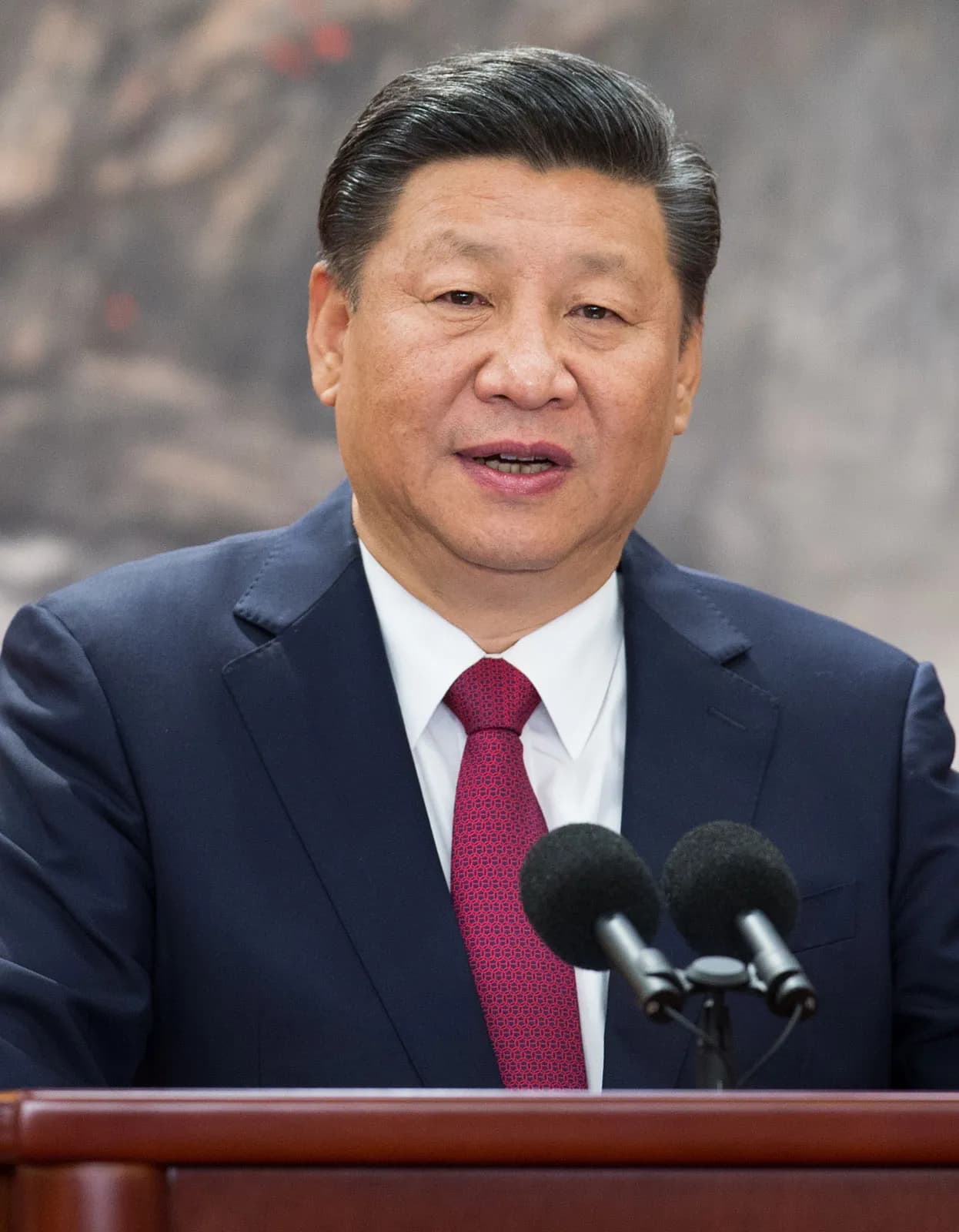
The instability is not confined to the battlefield it is paralyzing the highest echelons of international diplomacy. The reported request by United States President Donald Trump to delay a scheduled summit with Chinese President Xi Jinping highlights the severity of the crisis. China’s role as a potential mediator has been central to global calculations, but with the U.S. and Israel now fully engaged in a high-intensity war, the diplomatic architecture required to manage these tensions is fracturing. This delay suggests that both Washington and Beijing are pivoting toward a crisis-management footing, leaving little room for the long-term negotiations required to stabilize the global economic order.
International observers warn that the failure to establish a diplomatic track risks entrenching the conflict. As military objectives take precedence over political dialogue, the space for a ceasefire shrinks. Governments across the globe, including those in the African Union, are finding it increasingly difficult to balance the need for neutrality with the pressure to address the humanitarian consequences of the fighting.
Behind the strategic maps and the diplomatic cables, the reality of the war is measured in human tragedy. The Israeli health ministry’s data, which records over 3,500 casualties since the conflict’s inception, captures only a fraction of the suffering. In southern Lebanon, displaced families are seeking refuge in overcrowded shelters, facing a precarious existence as winter conditions persist. The humanitarian crisis is compounded by the systematic destruction of infrastructure, which threatens to leave entire communities without essential services like electricity, clean water, and healthcare.
The international community faces a reckoning. As the war intensifies, the global focus will inevitably shift toward the mounting humanitarian toll and the fragility of the status quo. Whether through diplomatic intervention or the exhaustion of military options, the cessation of hostilities remains the only viable path to preventing further catastrophe. The question is not just how the war will end, but how much the world is willing to lose before the fighting stops.
Keep the conversation in one place—threads here stay linked to the story and in the forums.
Sign in to start a discussion
Start a conversation about this story and keep it linked here.
Other hot threads
E-sports and Gaming Community in Kenya
Active 10 months ago
Popular Recreational Activities Across Counties
Active 10 months ago
The Role of Technology in Modern Agriculture (AgriTech)
Active 10 months ago
Investing in Youth Sports Development Programs
Active 10 months ago
Key figures and persons of interest featured in this article