We're loading the full news article for you. This includes the article content, images, author information, and related articles.
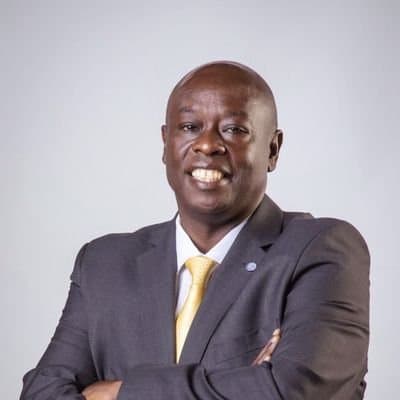
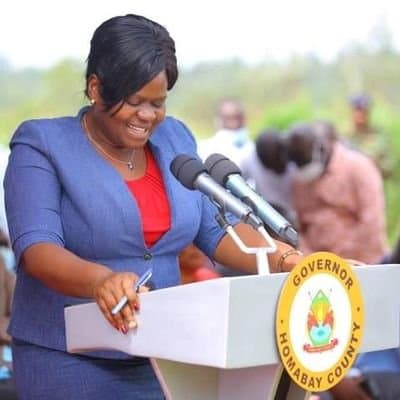
ODM chairperson Gladys Wanga has publicly rebuked former DP Rigathi Gachagua over recent remarks on opposition politics as 2027 election tensions rise.
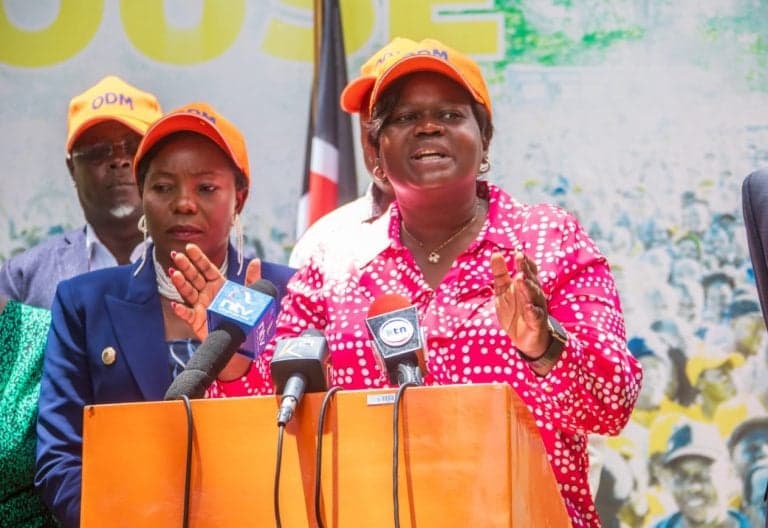
The political atmosphere in Nairobi thickened on Wednesday as Orange Democratic Movement (ODM) Chairperson Gladys Wanga delivered a sharp, unvarnished rebuke of former Deputy President Rigathi Gachagua. The exchange, centered on Gachagua’s recent commentary regarding ODM’s internal political strategies and its legislative posture, has exposed the deepening fissures in the current political landscape as Kenya approaches the midpoint of the 2026 electoral cycle.
For the ODM party, the stakes of this confrontation extend far beyond a mere war of words. As the party prepares for its upcoming National Delegates Convention, any external characterization of its internal machinery is viewed as a threat to its strategic cohesion. For Gachagua, who remains a central figure in the post-impeachment political conversation, the engagement serves as a tactical maneuver to insert himself into the opposition narrative, signaling a desire to remain relevant to a voting bloc that traditionally sits outside his regional power base.
The tension began following remarks made by Gachagua, which suggested that the Orange Democratic Movement was facing an identity crisis and that its legislative influence was waning. These comments, widely interpreted as an attempt to diminish the party’s historical grip on opposition politics, drew a swift response from Wanga. Speaking to the press in Nairobi, Wanga dismissed the former Deputy President’s analysis as a desperate attempt to create a political lifeline after his exit from the executive branch.
Political observers note that Gachagua’s recent rhetoric is symptomatic of a broader strategy. Since his departure from the government, the former Deputy President has sought to pivot from being an insider of the ruling administration to a critic of the current socio-economic order. However, by targeting the ODM, Gachagua faces a significant uphill battle. The party retains an exceptionally loyal base, and Wanga, as its Chairperson, has made it a priority to defend the party’s institutional integrity against what she describes as misinformed narratives from former government officials.
Why does this matter in March 2026? The political clock is ticking toward the 2027 general elections. Every public engagement between key political actors is now being filtered through the lens of electoral alliance building. Wanga is acutely aware that if the ODM allows narratives of internal instability to take root, it risks losing the perception of being the primary alternative to the current administration. Conversely, Gachagua is attempting to define the opposition space in a way that might eventually accommodate a coalition, or at the very least, disrupt the existing power structure.
According to political analysts, the current landscape is defined by several key pressures:
Wanga’s rebuke was not just personal it was institutional. By framing Gachagua’s remarks as a misunderstanding of ODM’s internal mechanics, she is effectively insulating the party from external criticism. She highlighted that the ODM remains the largest opposition outfit in the country, with a legislative footprint that is not easily swayed by individual political commentary. The ODM chairperson has long been regarded as a fierce defender of the party’s brand, and this incident reinforces her role as the ideological gatekeeper during a sensitive transitional period.
Furthermore, the response highlights the contrast between the two figures. Wanga represents a party with a well-defined, albeit complex, organizational structure, whereas Gachagua is navigating the political wilderness without the machinery of the office he once held. This fundamental difference explains the sharpness of the rebuke Wanga is defending a structured, established entity against the discursive power of an individual who, for the moment, operates outside the traditional party structures.
As the political discourse continues to heat up, the clash between Wanga and Gachagua serves as a microcosm of the broader instability in the country. The public is increasingly weary of political theater that does not address the pressing economic challenges facing the nation. While the ODM and the former Deputy President spar over strategy, the millions of Kenyans grappling with the high cost of living are looking for concrete policy solutions rather than political shadowboxing.
Ultimately, Wanga’s direct challenge to Gachagua is a signal that the opposition is not prepared to yield the narrative to former allies of the current administration. Whether this signals a new era of aggressive political engagement remains to be seen, but one fact is clear: as 2027 looms, the gloves have officially come off, and every word spoken by major political actors will be scrutinized for its strategic intent.
As the dust settles on this brief but pointed exchange, the question remains whether the public will view this as a genuine political disagreement or merely a distraction from the fundamental issues defining the Kenyan experience in 2026. For now, both Wanga and Gachagua have drawn their lines in the sand, and the electorate is watching to see who will be the first to cross them.
Keep the conversation in one place—threads here stay linked to the story and in the forums.
Sign in to start a discussion
Start a conversation about this story and keep it linked here.
Other hot threads
E-sports and Gaming Community in Kenya
Active 10 months ago
The Role of Technology in Modern Agriculture (AgriTech)
Active 10 months ago
Popular Recreational Activities Across Counties
Active 10 months ago
Investing in Youth Sports Development Programs
Active 10 months ago
Key figures and persons of interest featured in this article