We're loading the full news article for you. This includes the article content, images, author information, and related articles.
Energy CS takes on former opposition allies Kalonzo and Wamalwa, insisting the IEBC reconstitution and victim compensation are already in motion despite claims of state inaction.
In a sharp rebuke that exposed the widening rift between the government and its detractors, Energy Cabinet Secretary Opiyo Wandayi has dismissed claims that the National Dialogue Committee (NADCO) report has been shelved, terming such assertions as "factually incorrect" and politically dishonest.
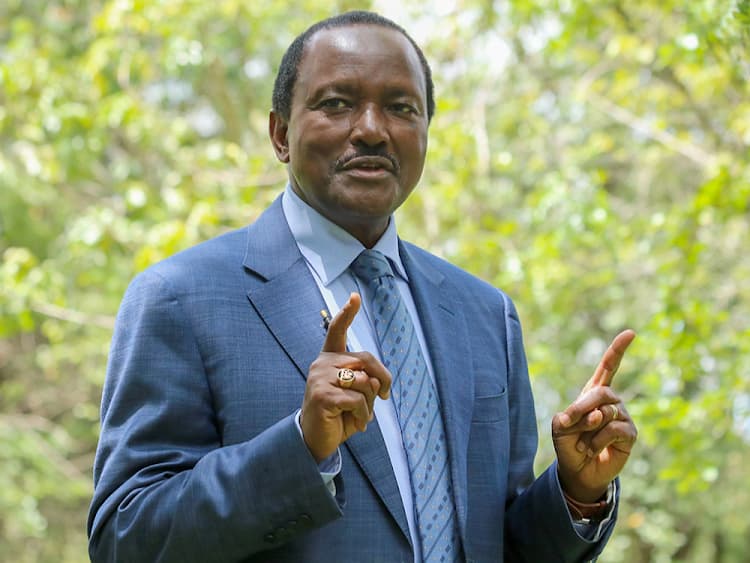
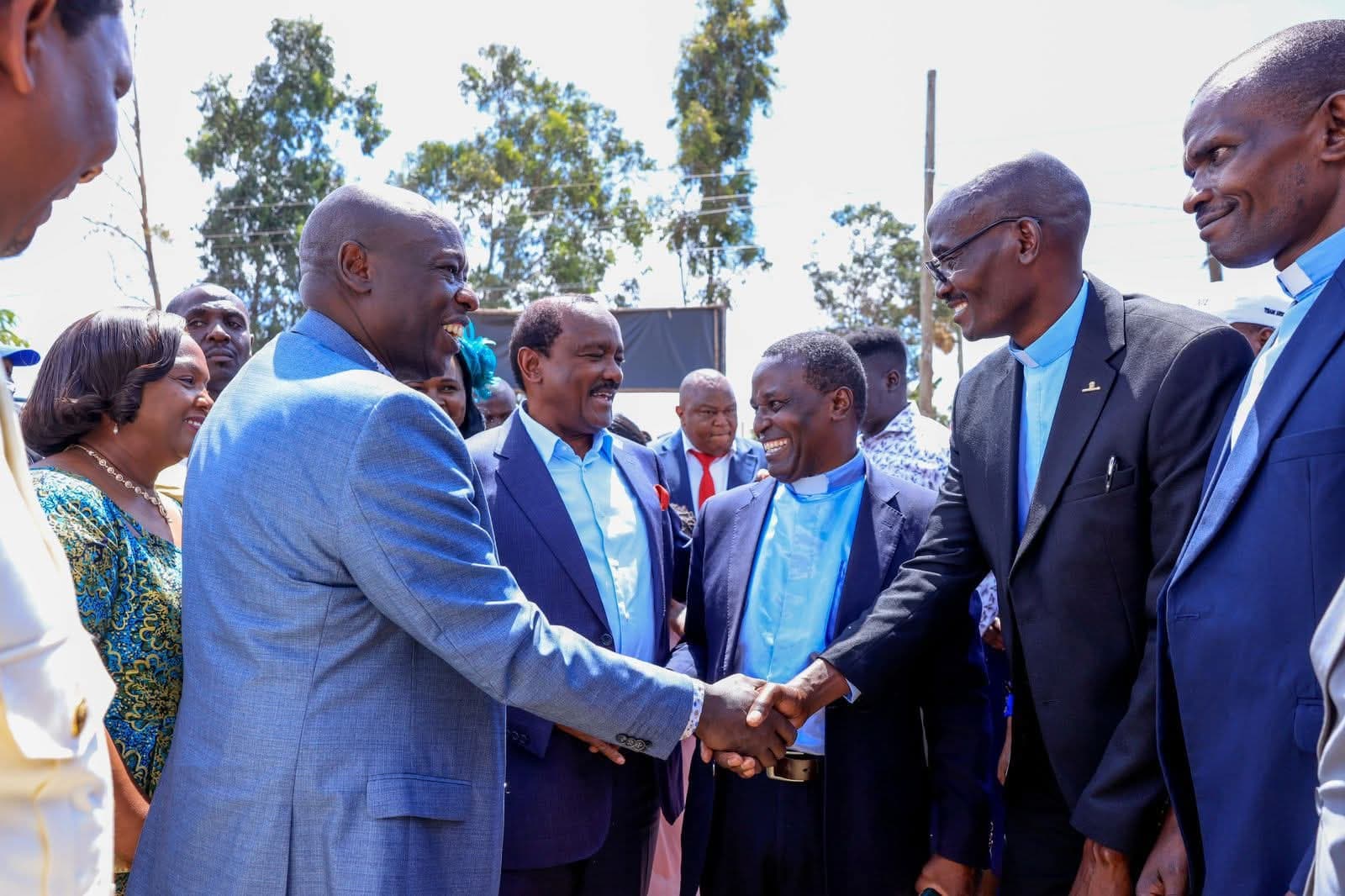
Speaking on Sunday at the burial of Beryl Odinga in Siaya, Wandayi did not mince his words. The former Minority Leader, now a key figure in President William Ruto’s broad-based administration, accused his former coalition partners—specifically Wiper Leader Kalonzo Musyoka and DAP-K’s Eugene Wamalwa—of misleading the public for political mileage.
At the heart of the clash is the reconstitution of the Independent Electoral and Boundaries Commission (IEBC), a critical pillar of the NADCO agreement. Opposition leaders have long argued that the process is stalled, threatening the credibility of the 2027 General Election.
Wandayi, however, painted a different picture. He emphasized that the electoral body is already being reconstituted through a selection panel that includes opposition representation—a direct fruit of the bipartisan talks.
"The claims that nothing has been implemented from the NADCO report are false," Wandayi asserted. "We know from the NADCO recommendations that we currently have an Independent Electoral and Boundaries Commission process in place. That IEBC mechanism was established through a selection panel in which sat a nominee from the opposition."
This statement directly contradicts the narrative pushed by Kalonzo and Wamalwa, who had earlier told mourners that the government was dragging its feet. Wandayi’s rebuttal highlights a critical shift in Kenya’s political landscape: the very architects of the NADCO report are now divided on its success, with those in government defending the pace and those outside crying foul.
Beyond electoral reforms, the emotional issue of compensating victims of police brutality and political violence remains a flashpoint. Wandayi revealed that the government has established a specific committee to oversee compensation for victims of violence dating back to 2017.
"When the government led by President William Ruto has gone a step further and established a committee to undertake compensation of all the victims... [leaders] should allow that committee to complete its work," he urged.
For the average Kenyan family that lost a breadwinner during the 2023 protests or earlier unrest, this is more than political banter—it is a question of justice and survival. The promise of compensation, if fulfilled, could offer a lifeline to households struggling with the high cost of living.
Wandayi’s defense is bolstered by recent updates from the Committee on Implementation of the 10-Point Agenda and NADCO Report (COIN-10). Just days ago, Committee Chair Dr. Agnes Zani confirmed that the team is "on track" and has been holding stakeholder engagements to operationalize the report's recommendations.
Key milestones cited by the government include:
Despite these assurances, the trust deficit remains high. Critics argue that "bureaucratic motion" does not equal "tangible action." For the opposition, the delay in seeing a fully constituted IEBC or money in the pockets of victims is proof of a lack of political will.
Wandayi, however, sees it differently. "As leaders, let us be honest and truthful. Don't come with lies—come slowly and be truthful," he warned, signaling that the government is prepared to counter any narrative that paints it as reneging on the bipartisan deal.
As the country inches closer to the next election cycle, the implementation of these reforms will likely remain the litmus test for the Ruto administration's commitment to national unity. For now, the ball is in the government's court to prove that these reforms are felt on the ground, not just on paper.
Keep the conversation in one place—threads here stay linked to the story and in the forums.
Sign in to start a discussion
Start a conversation about this story and keep it linked here.
Other hot threads
E-sports and Gaming Community in Kenya
Active 9 months ago
The Role of Technology in Modern Agriculture (AgriTech)
Active 9 months ago
Popular Recreational Activities Across Counties
Active 9 months ago
Investing in Youth Sports Development Programs
Active 9 months ago
Key figures and persons of interest featured in this article