We're loading the full news article for you. This includes the article content, images, author information, and related articles.
The Githunguri MP warns that piling 42 taxes on tea farmers while preaching an Asian Tiger economic miracle is not just bad policy—it is an illusion that threatens to bankrupt the nation’s most critical dollar earner.

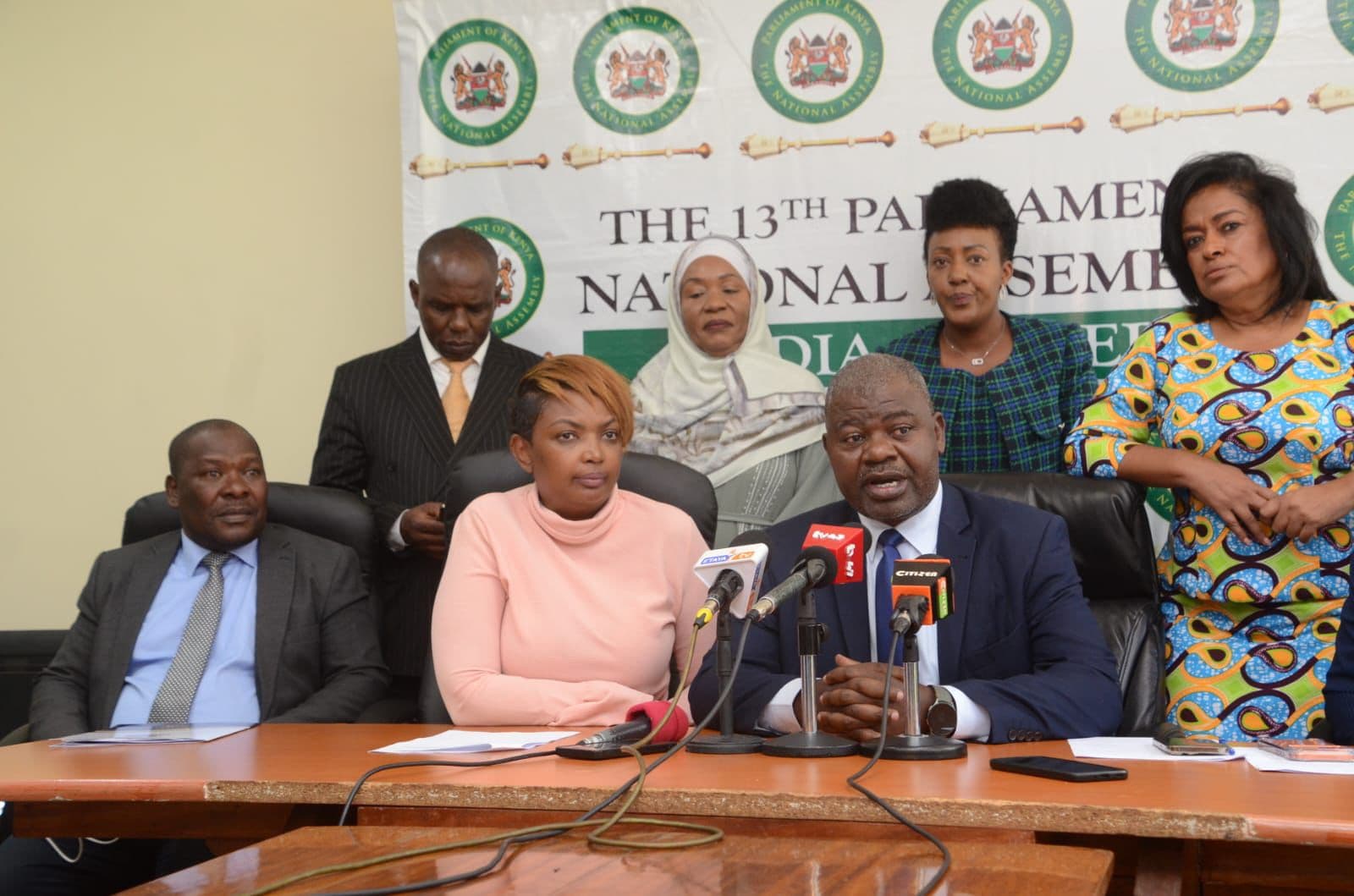
NAIROBI — The glossy narrative of transforming Kenya into the “Singapore of Africa” has hit a jagged reality check. In a blistering critique issued this week, Githunguri MP Gathoni Wamuchomba dismantled the Kenya Kwanza administration’s economic blueprint, labeling it a dangerous fallacy built on the backs of suffocating farmers.
While President William Ruto’s administration frequently cites Singapore’s discipline and growth as its north star, Wamuchomba argues the government is doing the exact opposite of what built the Asian Tiger. Her contention centers on the tea sector—Kenya’s economic lifeblood—which she says is now choking under a staggering 42 separate taxes and deductions.
“Without dollars coming into Kenya from the tea sector, the road to the dreamland ‘Singapore’ is just a fallacy,” Wamuchomba warned. Her statement strikes at the heart of the country’s forex crisis. Tea is not just a crop; it is the currency that imports fuel and medicine. By overburdening it, she argues, the state is killing the goose that lays the golden egg.
The MP’s critique comes as a direct counter-narrative to the government’s optimism. While state officials project a future of high-tech cities and digital hubs, the reality on the ground in Kiambu and Kisii is grim. Farmers are uprooting bushes not because the soil has failed, but because the ledger no longer balances.
“How do you succeed when you expose a single crop like tea to 42 taxes?” she posed. “When I see the Tea Amendment Bill proposals seeking to introduce new levies on Kenyan tea to already overtaxed farmers, I only conclude that illusions are also dreams.”
This sentiment echoes a growing chorus of disapproval. Just days prior, former Chief Justice David Maraga termed the Singapore comparison “deeply misleading,” noting that Singapore’s success was rooted in zero-tolerance for corruption and waste—traits critics say are scarce in the current political landscape.
Wamuchomba, nominally a member of the ruling coalition but operating as its fiercest internal critic, did not just diagnose the problem; she offered a protectionist solution. Looking toward a potential presidential bid, she pledged a hardline stance on imports to protect local producers.
“When I become president, I will ban all imported coffee, tea, milk, and eggs into Kenya,” she declared. “I will ensure all farmers produce sufficient for our domestic consumption.”
For the average Kenyan household, this political tussle is not abstract. It determines whether the tea farming family in Githunguri can pay school fees next term. It determines if the shilling stabilizes or weakens further against the dollar, driving up the cost of unga and electricity.
Wamuchomba’s parting shot was a lament for the legislature, which she claims has abdicated its watchdog role. “Kenyan parliamentary space is captured and only caters for the needs of the executive,” she said. “I cry for my motherland.”
Keep the conversation in one place—threads here stay linked to the story and in the forums.
Sign in to start a discussion
Start a conversation about this story and keep it linked here.
Other hot threads
E-sports and Gaming Community in Kenya
Active 9 months ago
The Role of Technology in Modern Agriculture (AgriTech)
Active 9 months ago
Popular Recreational Activities Across Counties
Active 9 months ago
Investing in Youth Sports Development Programs
Active 9 months ago
Key figures and persons of interest featured in this article