We're loading the full news article for you. This includes the article content, images, author information, and related articles.
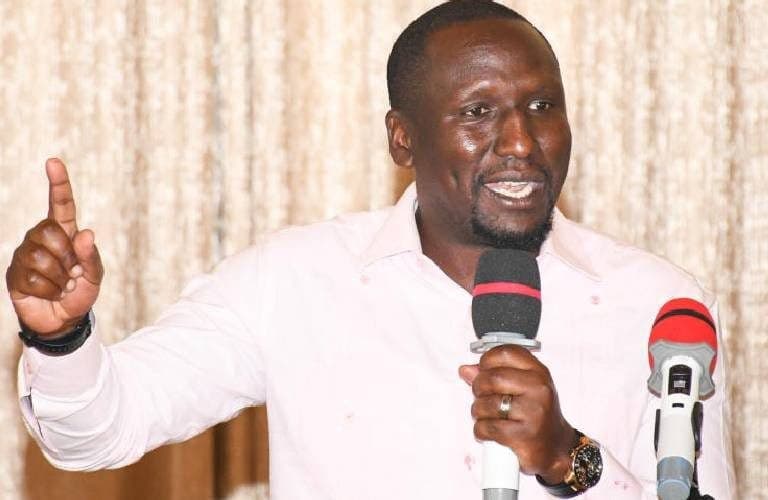
Kiambu Governor Kimani Wamatangi has firmly defended his unprecedented appearance before the Senate Standing Committee on Public Accounts, asserting that the absolute safeguarding of taxpayer revenue must remain the cornerstone of Kenya's devolution experiment.
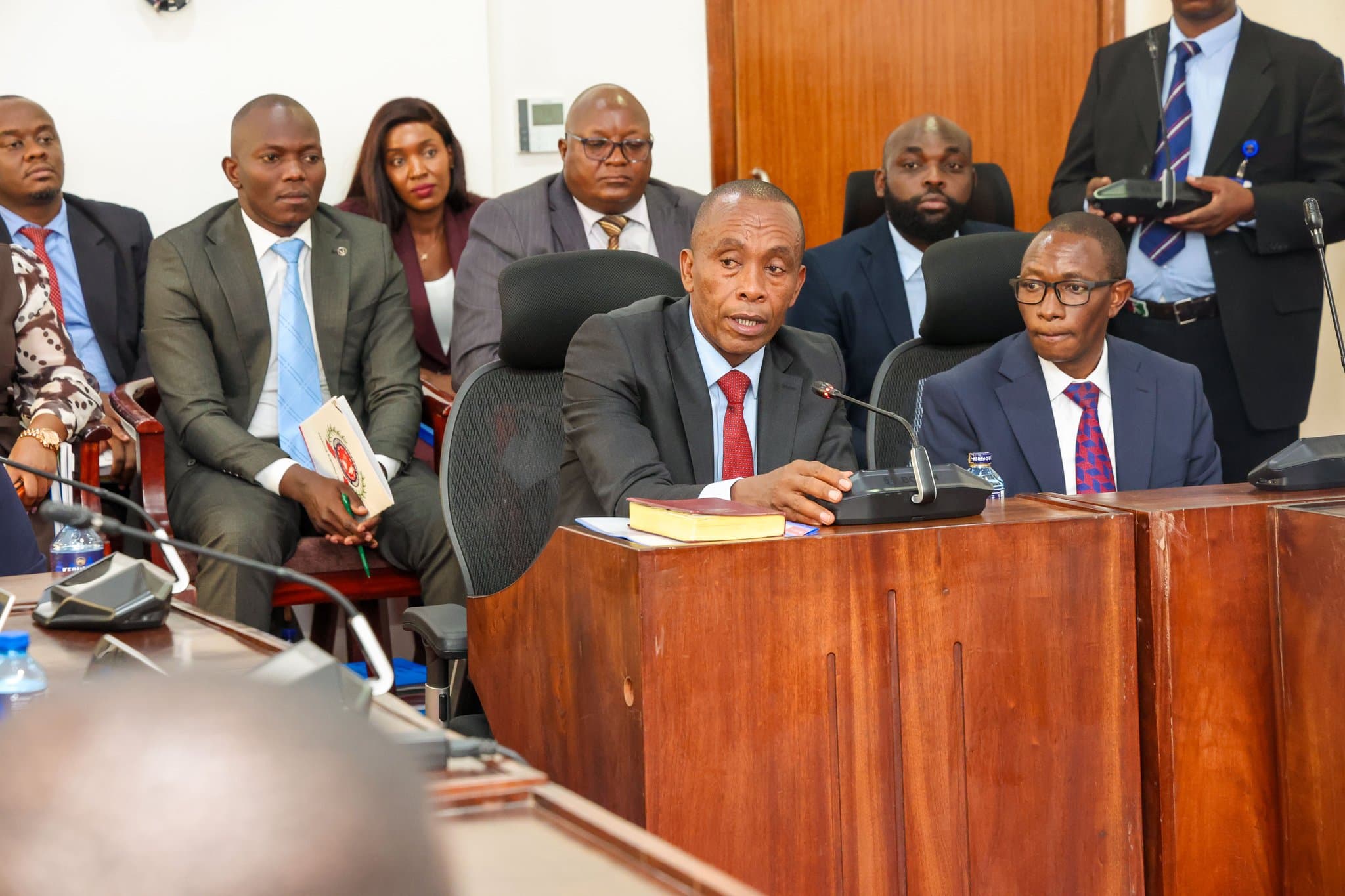
Kiambu Governor Kimani Wamatangi has firmly defended his unprecedented appearance before the Senate Standing Committee on Public Accounts, asserting that the absolute safeguarding of taxpayer revenue must remain the cornerstone of Kenya's devolution experiment.
Shattering the historical precedent of gubernatorial resistance, Governor Wamatangi voluntarily faced senatorial scrutiny in Nairobi today. He explicitly stated that county executives bear the direct, non-delegable responsibility for justifying every single shilling of public expenditure.
This bold stance matters profoundly because it challenges the pervasive culture of opacity that has plagued Kenyan devolution since its inception in 2013. By embracing oversight rather than fighting it in the courts, Wamatangi is attempting to forge a new standard of financial transparency that could restore eroding public trust in regional governments.
The relationship between the Senate of the Republic of Kenya and the Council of Governors has historically been fraught with intense legal and political friction. Governors have frequently viewed Senate summonses as partisan witch-hunts designed to undermine their executive authority, often seeking High Court injunctions to block appearances. However, Article 96 of the Constitution clearly mandates the Senate to protect the interests of the counties, a duty intrinsically linked to financial auditing.
The Auditor General's recurring red flags regarding undocumented county expenditures, ghost workers, and inflated procurement contracts highlight the absolute necessity of the Public Accounts Committee. Without this rigorous legislative oversight, the billions of shillings disbursed annually from the National Treasury risk vanishing into the deep pockets of bureaucratic corruption rather than funding grassroots development.
Governor Wamatangi's core argument to the Senate was rooted in the fundamental philosophy of devolution: bringing resources closer to the people. Kiambu County, boasting one of the highest populations and largest economic outputs in the nation, serves as a critical litmus test for this governance model. The Governor emphasized that evasion of audit queries directly sabotages the county's economic potential.
There is a direct, undeniable link between transparent accounting and the delivery of essential public services. When funds are meticulously tracked and appropriately utilized, the results are visible in the form of adequately stocked Level 4 hospitals, newly paved feeder roads, and well-equipped Early Childhood Development Education (ECDE) centres. Conversely, financial opacity inevitably leads to stalled projects and deteriorating civic infrastructure.
Beyond the political rhetoric, the Senate hearings also illuminated the severe technical challenges counties face daily. The Integrated Financial Management Information System (IFMIS), while designed to curb graft, frequently experiences crippling downtimes that paralyze county operations. Furthermore, chronic delays in Exchequer disbursements force governors into precarious financial juggling acts to keep critical services running.
Governors are constantly forced to balance rigid public finance laws with the urgent, often desperate demands of their electorates. Wamatangi's approach signals a commitment to compliance over confrontation. By openly discussing these systemic hurdles with the Senate, he is advocating for collaborative legislative reforms rather than engaging in perpetual, unproductive turf wars.
To ensure devolution delivers on its towering promises, both the Senate and the county executives must adopt a more constructive paradigm. This new blueprint for inter-governmental relations requires several key commitments:
Governor Wamatangi's pragmatic approach offers a powerful lesson in democratic accountability, proving that true leadership lies not in evading scrutiny, but in embracing it to build a more transparent and prosperous county.
Keep the conversation in one place—threads here stay linked to the story and in the forums.
Sign in to start a discussion
Start a conversation about this story and keep it linked here.
Other hot threads
E-sports and Gaming Community in Kenya
Active 9 months ago
The Role of Technology in Modern Agriculture (AgriTech)
Active 9 months ago
Popular Recreational Activities Across Counties
Active 9 months ago
Investing in Youth Sports Development Programs
Active 9 months ago