We're loading the full news article for you. This includes the article content, images, author information, and related articles.
A massive US military deployment in the Caribbean, aimed at countering alleged 'narco-terrorists,' has sparked fears of a wider conflict with oil-rich Venezuela, threatening to ripple through global energy prices and impact Kenyan households.
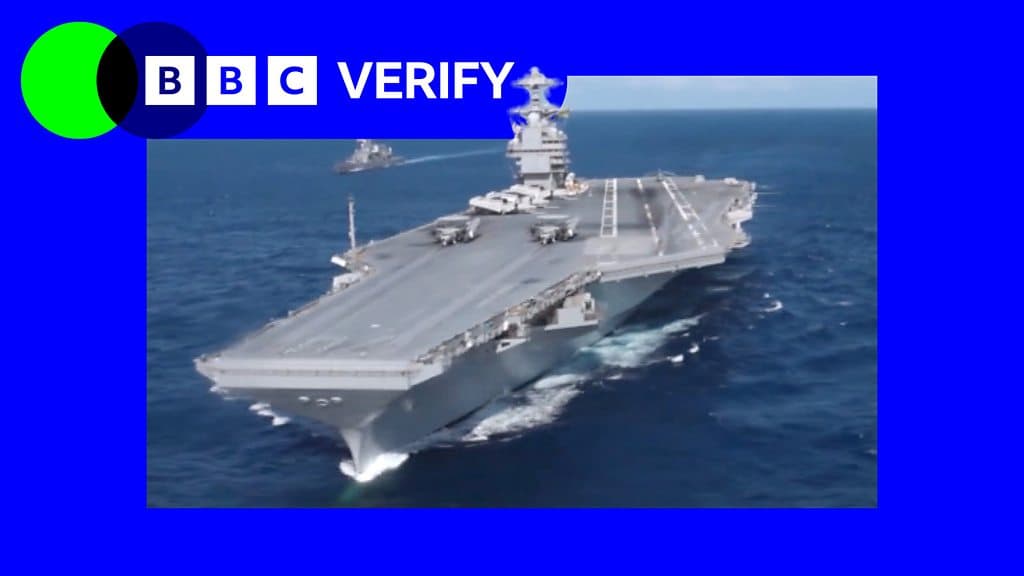
A formidable US naval force, the largest in the region since the 1962 Cuban Missile Crisis, is currently positioned in the Caribbean Sea, escalating a tense standoff with Venezuela under the banner of a sweeping anti-drug operation. This deployment, dubbed 'Operation Southern Spear,' has already seen a series of deadly strikes on boats the White House alleges are linked to drug cartels, raising alarms in Caracas and among international observers about the potential for open conflict.
The core of this crisis lies in Washington's aggressive new strategy to dismantle what it calls “narco-terrorist” networks allegedly operating with impunity from Venezuela. Since early September 2025, the US military has conducted more than 20 lethal strikes on vessels, resulting in over 80 fatalities. The Trump administration has justified these actions by designating the Venezuelan gang Tren de Aragua a “Foreign Terrorist Organization,” a claim President Nicolás Maduro’s government vehemently denies.
The US military presence includes an aircraft carrier strike group, the USS Gerald R. Ford, thousands of marines, and advanced surveillance aircraft. In response, President Maduro has placed his nation on high alert, mobilizing military forces and civilian militias to defend against what his government labels an “immoral act of aggression” and a threat to Venezuelan sovereignty. The situation intensified when President Donald Trump declared the airspace around Venezuela “closed in its entirety,” a move Caracas condemned as a “colonialist threat.”
While the stated mission is counter-narcotics, the scale of the deployment and the authorization of covert CIA operations in Venezuela have fueled speculation that the ultimate goal is regime change. The legality of the strikes is now under scrutiny within the United States itself, with bipartisan committees in the US Congress launching inquiries into the operations, particularly reports of a follow-up strike on survivors of an initial attack.
For Kenyans, the drama unfolding thousands of kilometres away is not a distant affair. Venezuela sits on the world's largest proven oil reserves, and the escalating conflict poses a direct threat to global energy stability. Any disruption to Venezuelan oil exports, however diminished they are by sanctions, could tighten the global supply and cause a spike in crude prices. Analysts warn this could translate directly to higher prices at the pump in Nairobi.
The potential economic fallout is significant. US Treasury Secretary Scott Bessent recently suggested that if “something happens down in Venezuela,” global oil prices could fall, presumably after a change in leadership that would reopen the country to international markets. This highlights the high stakes of the current standoff. Global oil benchmarks like Brent crude, which directly influences Kenyan fuel pricing, have already shown volatility, reacting to the rising geopolitical risk.
Interestingly, Kenya has maintained a neutral diplomatic stance, keeping communication channels with Caracas open even as global pressure mounts. This positions Nairobi as an independent actor on the world stage. Yet, as the US and Venezuela edge closer to a potential flashpoint, the question for every Kenyan is how much the ensuing global shockwaves will cost them at home. The situation remains fluid, with President Trump recently confirming a direct, albeit inconclusive, phone call with President Maduro, adding another layer of unpredictability to a crisis with global ramifications.
Keep the conversation in one place—threads here stay linked to the story and in the forums.
Sign in to start a discussion
Start a conversation about this story and keep it linked here.
Other hot threads
E-sports and Gaming Community in Kenya
Active 9 months ago
The Role of Technology in Modern Agriculture (AgriTech)
Active 9 months ago
Popular Recreational Activities Across Counties
Active 9 months ago
Investing in Youth Sports Development Programs
Active 9 months ago