We're loading the full news article for you. This includes the article content, images, author information, and related articles.
British counter-terrorism police have arrested three men under the National Security Act, accusing them of assisting Chinese intelligence services in a major escalation of geopolitical tensions.
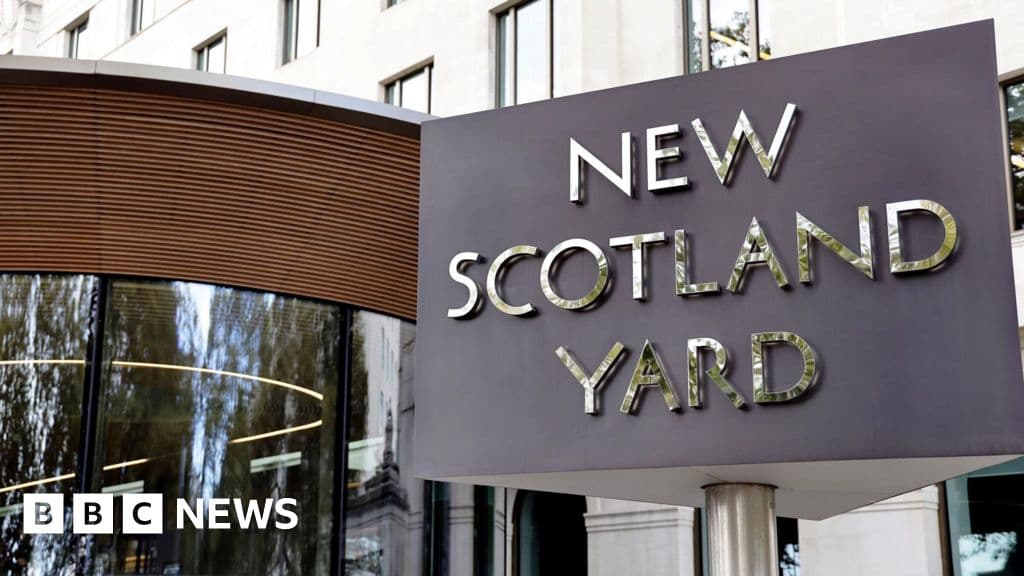
British counter-terrorism police have arrested three men under the National Security Act, accusing them of assisting Chinese intelligence services in a major escalation of geopolitical tensions.
The shadow war of global espionage has surfaced dramatically in the United Kingdom. Arrests linked to Chinese intelligence signal a deepening rift between Western powers and Beijing.
For African nations heavily invested in both Western aid and Chinese infrastructure, these escalating tensions pose a delicate diplomatic tightrope. Neutrality is becoming increasingly expensive as global powers demand distinct allegiances.
In coordinated raids across London and Wales, the Metropolitan Police detained three men—aged 39, 43, and 68—on severe suspicions of spying for China. The arrests were executed under Section Three of the recently implemented National Security Act of 2023, a sweeping piece of legislation designed specifically to combat foreign interference and state-backed espionage. The Met Police, supported by counter-terror units in Scotland and Wales, have stated there is no immediate threat to the public, but the geopolitical implications of the arrests are explosive. Notably, sources indicate one of the suspects is closely associated with a prominent political figure, amplifying the political fallout.
This incident is not an isolated event but part of a broader, aggressive intelligence campaign by Beijing to infiltrate Western political, economic, and technological institutions. The UK's domestic intelligence service, MI5, has repeatedly warned of the unprecedented scale of Chinese espionage activities, which target everything from sensitive academic research to advanced defense technologies.
Security Minister Dan Jarvis addressed the House of Commons following the arrests, unequivocally stating that the UK will not "trade off security for economic access." This marks a significant hardening of rhetoric from London, prioritizing national defense over the lucrative Chinese trade deals that characterized previous administrations.
The use of the National Security Act is particularly noteworthy. This legislation overhauled archaic spying laws, giving police expansive powers to detain and investigate individuals suspected of acting on behalf of hostile foreign states. It reflects the reality that modern espionage often looks less like James Bond and more like subtle political influence operations or intellectual property theft.
The arrests will undoubtedly trigger a furious response from Beijing, which consistently denies allegations of state-sponsored espionage, usually dismissing them as Western paranoia or political smearing. Diplomatic retaliations, including the potential expulsion of British diplomats or economic sanctions, are highly likely.
For countries in East Africa, the ripple effects are subtle but significant. As the UK and US tighten security around their technologies, they are increasingly demanding that their African partners also shun Chinese digital infrastructure, such as Huawei's 5G networks, citing similar espionage concerns. This places nations like Kenya in a difficult position, forced to choose between affordable Chinese tech and vital Western security partnerships.
The UK legal system now faces the monumental task of proving these complex espionage charges in open court without compromising classified intelligence gathering methods. The National Security Act was designed for exactly this scenario, but it remains largely untested. The prosecution must definitively link the actions of the accused to the directives of the Chinese state, a notoriously opaque entity.
Furthermore, the investigation must navigate the delicate issue of political sensitivity, given the reported connections of one suspect. Ensuring the integrity of the judicial process while managing the intense media scrutiny and international pressure will be a defining challenge for the British state.
This incident confirms that the era of aggressive geopolitical rivalry has fully returned, with intelligence agencies operating on the front lines of a new, multifaceted Cold War.
"Economic partnerships can be negotiated, but the sovereignty of a nation's secrets is non-negotiable; the shadow war is now stepping into the light."
Keep the conversation in one place—threads here stay linked to the story and in the forums.
Sign in to start a discussion
Start a conversation about this story and keep it linked here.
Other hot threads
E-sports and Gaming Community in Kenya
Active 9 months ago
The Role of Technology in Modern Agriculture (AgriTech)
Active 9 months ago
Popular Recreational Activities Across Counties
Active 9 months ago
Investing in Youth Sports Development Programs
Active 9 months ago



