We're loading the full news article for you. This includes the article content, images, author information, and related articles.
The US Senate has passed a partial DHS funding bill excluding ICE, aiming to reopen airports while stalling on broader immigration policy reform.

In a rare and frenetic overnight session that underscored the deepening fracture within the American political establishment, the United States Senate has approved a contentious funding package aimed at reviving the Department of Homeland Security. The legislation, passed via a voice vote, represents a calculated gamble by lawmakers to restore critical agency functions—such as airport security and coastal surveillance—while pointedly excluding Immigration and Customs Enforcement from the budgetary allocation.
This legislative maneuver arrives as the United States approaches a dangerous threshold in its administrative capacity. Since February 13, 2026, the Department of Homeland Security has remained effectively unfunded, a stagnation that has paralyzed non-essential operations and raised alarms across the international aviation and logistics sectors. For observers in Nairobi, the standoff is not merely a domestic American crisis it is a signal of volatility in the primary partner for East African counter-terrorism and intelligence cooperation. With the House of Representatives yet to weigh in on the package, the stability of international travel and border security protocols remains precariously in the balance.
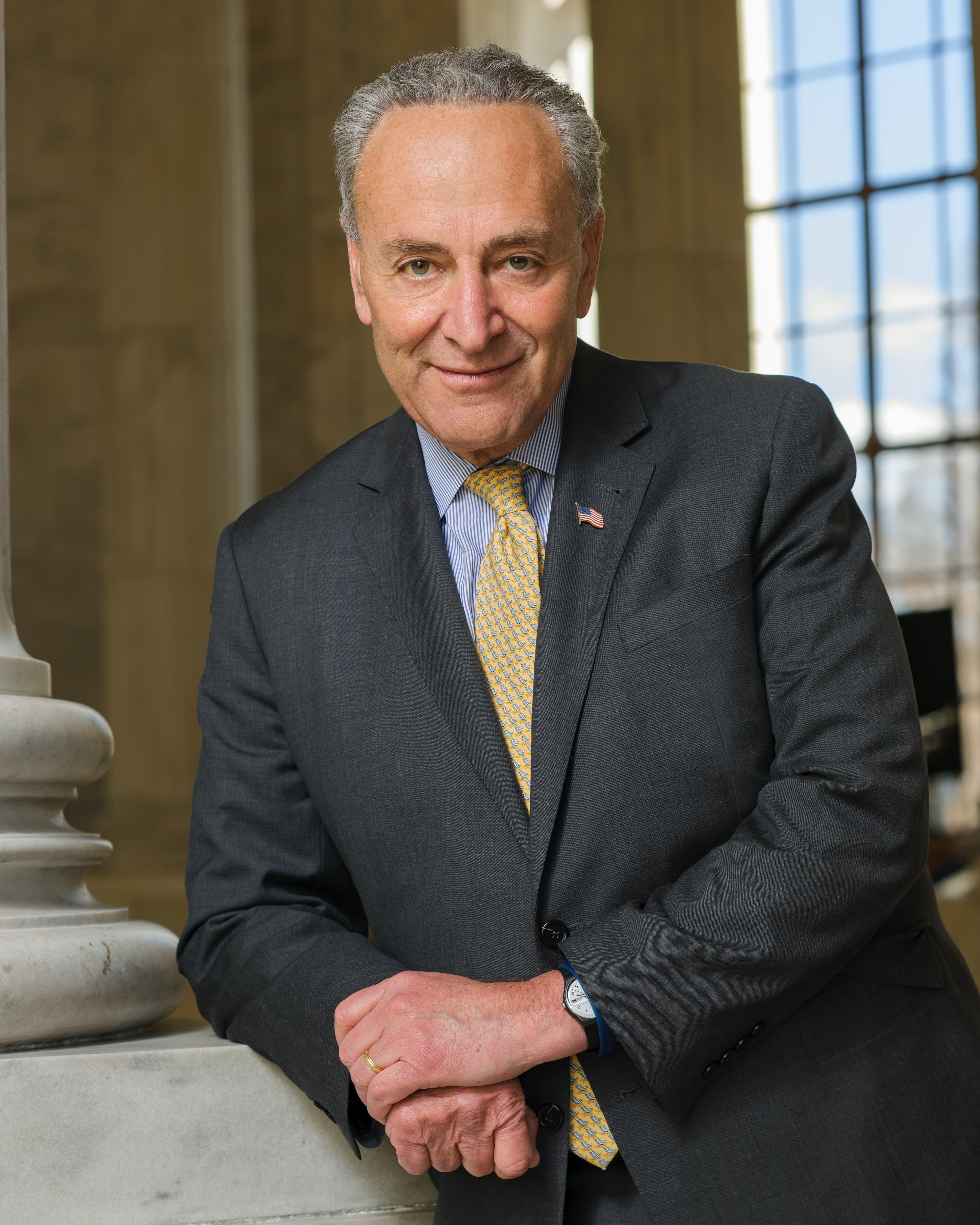
The Senate’s decision to sever Immigration and Customs Enforcement (ICE) from the broader funding bill reflects the intense partisan pressure surrounding current immigration policy. Democratic leaders in the Senate, under the guidance of Majority Leader Chuck Schumer, have argued that the current structural oversight of immigration enforcement is fundamentally broken. This stance is a direct reaction to a series of escalating confrontations that have pitted civil liberties advocates against federal enforcement agencies.
The current impasse is a complex web of competing legislative priorities. The following key elements illustrate the stakes of the ongoing deadlock:
The urgency behind the Democratic resistance to funding ICE stems directly from a localized yet explosive incident in Minneapolis. The fatal shooting of two US citizens, Renee Good and Alex Pretti, by federal agents has served as the catalyst for the current legislative obstruction. According to reports from the Senate floor, lawmakers are demanding a total overhaul of the rules of engagement governing the agency’s immigration operations.
The deaths of Good and Pretti have galvanized public outcry, forcing a conversation about the extent of federal authority and the accountability mechanisms currently in place for armed federal officers. For many Democrats, providing a blank check to an agency that is currently under investigation for such lethal force incidents is politically untenable. This disagreement has turned the DHS budget into the primary battlefield for a much larger argument about the sanctity of civil rights versus the imperatives of national security.
The White House has not remained a passive observer in this fiscal conflict. Donald Trump, responding to the legislative impasse, has adopted a combative posture. In a move that has drawn sharp criticism from constitutional scholars, the President recently threatened to deploy ICE agents to major US airports to replace underperforming or absent TSA staff until an agreement on the DHS budget is finalized.
While the President has signaled an intention to utilize executive orders to ensure that the 50,000 airport security workers continue to receive pay, this does not resolve the underlying systemic funding shortfall. The White House continues to insist that any final appropriations bill must include the Save America Act. This demand has created a circular deadlock: Democrats refuse to fund ICE without reform, and Republicans refuse to fund the broader department without stricter voter registration laws.
For Kenyan policymakers and the business community in Nairobi, the dysfunction in Washington is more than a distant political curiosity. The US Department of Homeland Security is a critical node in the global security architecture that supports the East African region. Regular direct flights between Jomo Kenyatta International Airport and American hubs rely on seamless intelligence sharing and standardized security vetting processes managed by the TSA and its global partners.
Economists and security analysts warn that a prolonged shutdown of these services could lead to increased scrutiny for international travelers, potential delays in cargo clearance, and a temporary degradation in the quality of diplomatic and intelligence cooperation. With the US being a key strategic partner, any uncertainty in the operational capacity of American border and security agencies can have downstream effects on regional stability efforts. A disruption in the US-Kenya strategic partnership, even a temporary one caused by legislative inertia, forces Kenyan officials to recalibrate their expectations regarding the reliability of their northern counterparts.
As the House of Representatives prepares to deliberate on the Senate’s stripped-down proposal, the outcome remains highly uncertain. The political calculus is delicate failure to pass the Senate’s package could lead to a broader, more severe disruption of federal services, yet passing it could alienate key voting blocs on both sides of the aisle. The legislative body now faces the daunting task of resolving an existential policy conflict amidst a fiscal timeline that allows for little error. Until the House moves, the Department of Homeland Security remains an institution divided, caught between the demand for accountability and the necessity of governance.
Keep the conversation in one place—threads here stay linked to the story and in the forums.
Sign in to start a discussion
Start a conversation about this story and keep it linked here.
Other hot threads
E-sports and Gaming Community in Kenya
Active 10 months ago
The Role of Technology in Modern Agriculture (AgriTech)
Active 10 months ago
Popular Recreational Activities Across Counties
Active 10 months ago
Investing in Youth Sports Development Programs
Active 10 months ago
Key figures and persons of interest featured in this article