We're loading the full news article for you. This includes the article content, images, author information, and related articles.
The United States government has officially imposed stringent sanctions on the Rwanda Defence Force and top military commanders, dramatically escalating diplomatic tensions just days before a critical East African Community summit.

The United States government has officially imposed stringent sanctions on the Rwanda Defence Force and top military commanders, dramatically escalating diplomatic tensions just days before a critical East African Community summit.
In a decisive move that threatens to destabilize regional diplomacy, the administration of U.S. President Donald Trump has slapped crippling sanctions on senior Rwandan military officials accused of covertly financing and arming rebel factions in the neighboring Democratic Republic of Congo.
The punitive measures, announced early Monday, directly target the Rwanda Defence Force (RDF) and its alleged support for the notorious M23 insurgent group. For East Africa—where Kenya's President William Ruto has invested heavy political capital in brokering peace—these sanctions threaten to shatter the fragile diplomatic architecture of the Great Lakes region and plunge the regional economy into chaos.
The sweeping sanctions specifically single out the RDF and four high-ranking military officers, most notably Chief of Staff Vincent Nyakarundi. The U.S. State Department alleges that these individuals are instrumental in providing logistical, financial, and tactical backing to the March 23 Movement (M23), a heavily armed militia wreaking havoc across the mineral-rich eastern provinces of the Democratic Republic of Congo (DRC).
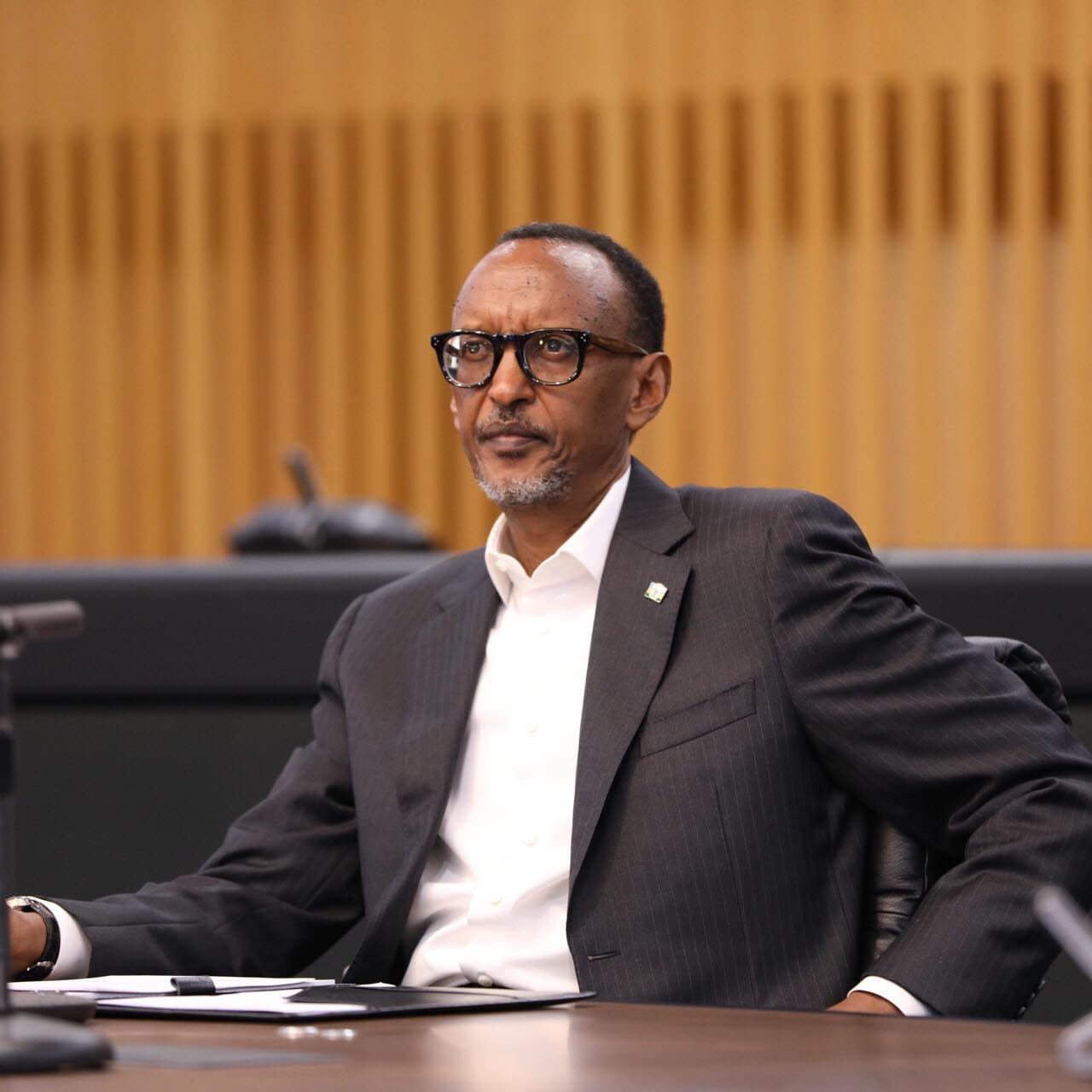
This aggressive diplomatic posturing arrives mere weeks after Rwandan President Paul Kagame publicly and defiantly challenged Washington to execute such punitive measures. Kagame's administration has consistently vehemently denied any involvement with the M23 rebels, instead accusing the Congolese government of aligning with hostile Hutu militias and fundamentally violating pre-existing peace accords. The Rwandan government immediately released a statement denouncing the U.S. sanctions as "unjust, one-sided, and a deliberate distortion of the geopolitical facts on the ground."
The timing of these sanctions could not be more critical for the East African Community (EAC). President Kagame and DRC President Felix Tshisekedi are scheduled to convene this coming weekend in Arusha, Tanzania, for the 25th Ordinary Summit of the EAC Heads of State. What was originally intended to be a collaborative forum focused on regional integration and economic prosperity is now guaranteed to devolve into a highly tense, confrontational gathering.
Kenya, serving as a regional powerhouse and a primary mediator in the DRC conflict, finds its diplomatic tightrope severely compromised. The port of Mombasa and the Northern Corridor transit routes are heavily dependent on stability within the Great Lakes region. Any escalation in hostilities or prolonged economic embargoes could lead to severe disruptions in cross-border trade, heavily impacting Kenyan logistics companies and inflating the cost of basic commodities.
The conflict in the eastern DRC is fundamentally driven by the control of vast, untapped mineral wealth—resources essential for the global manufacturing of electronics and renewable energy infrastructure. The U.S. intervention via these targeted sanctions signifies a strategic pivot aimed at curbing illegal mineral smuggling networks that allegedly fund the Rwandan military apparatus.
Observers in Nairobi's diplomatic circles note that these sanctions represent a significant departure from previous, more conciliatory Western approaches toward Kigali. By explicitly targeting the military hierarchy, the Trump administration is applying direct pressure on Kagame's closest confidants, effectively freezing their assets and banning their travel to allied nations. This maneuver places immense pressure on neighboring states, including Kenya and Uganda, to reassess their bilateral military and intelligence-sharing agreements with Rwanda.
Beyond the political theater in Washington and Kigali, the human cost of the M23 insurgency is staggering. Hundreds of thousands of Congolese citizens have been internally displaced, forced into overcrowded refugee camps with limited access to clean water, food, and medical care. International aid organizations warn that the intensification of the conflict, potentially spurred by the diplomatic fallout of these sanctions, could trigger a humanitarian catastrophe of unprecedented proportions.
As the EAC heads of state prepare for the Arusha summit, the international community watches with bated breath. The effectiveness of the U.S. sanctions remains to be seen, but their immediate impact has been to draw a definitive line in the sand.
Whether this bold international intervention acts as a catalyst for genuine peace negotiations or simply pours gasoline on an already raging regional fire will be decided in the tense diplomatic corridors of East Africa in the coming weeks.
Keep the conversation in one place—threads here stay linked to the story and in the forums.
Sign in to start a discussion
Start a conversation about this story and keep it linked here.
Other hot threads
E-sports and Gaming Community in Kenya
Active 9 months ago
The Role of Technology in Modern Agriculture (AgriTech)
Active 9 months ago
Popular Recreational Activities Across Counties
Active 9 months ago
Investing in Youth Sports Development Programs
Active 9 months ago
Key figures and persons of interest featured in this article