We're loading the full news article for you. This includes the article content, images, author information, and related articles.
**American lawmakers are sounding the alarm over policy shifts that could dismantle decades of life-saving work, placing millions of Kenyans who depend on U.S.-backed HIV/AIDS programs at grave risk.**
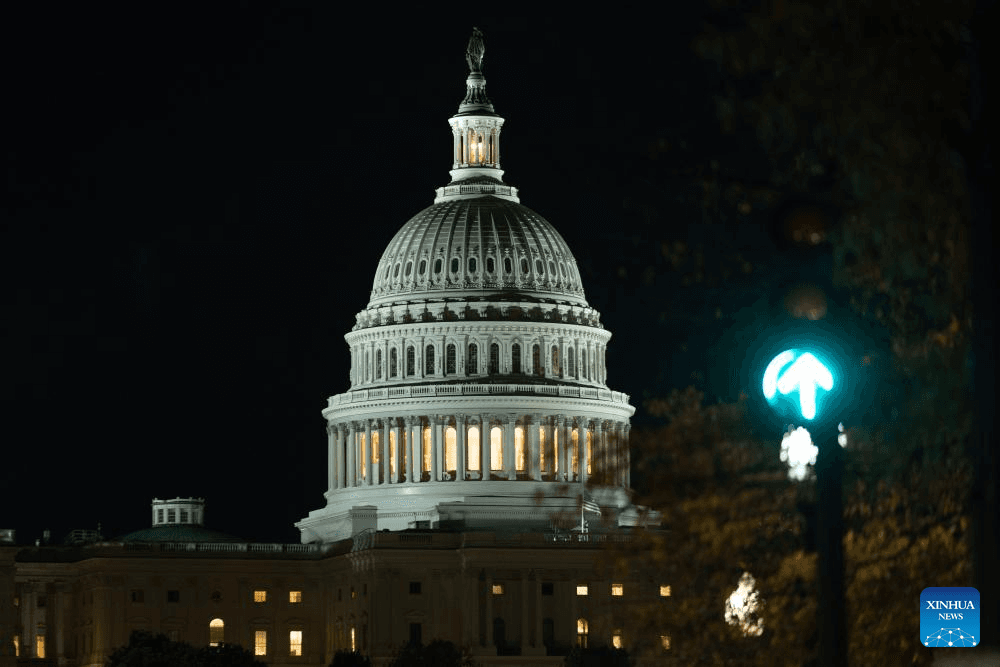
A political storm is brewing in Washington with direct consequences for Kenyan families. U.S. lawmakers have issued stark warnings that the Trump administration's cuts to global health funding and symbolic policy shifts threaten to unravel decades of hard-won progress against HIV/AIDS.
For Kenya, this is not a distant political debate. It is a matter of life and death. The cuts directly imperil the U.S. President's Emergency Plan for AIDS Relief (PEPFAR), a program that has been the cornerstone of Kenya's HIV response and has saved an estimated 26 million lives globally since 2003.
The latest flashpoint is a State Department directive ending the public commemoration of World AIDS Day, a tradition held since 1988 to raise awareness and honour those lost to the disease. Senator Jeanne Shaheen condemned the move, emphasizing that such decisions have global repercussions. "Diseases have no borders," she warned. "Cutting prevention dollars overseas will raise the death toll at home."
The impact of the funding disruptions is already being felt on the ground in Kenya. A report from Physicians for Human Rights detailed clinics closing, disruptions to drug supplies, and health workers going unpaid. The cuts have forced a reduction in HIV drug refills from a three-month supply to just one month, creating uncertainty for patients. In Nairobi, drop-in centres crucial for prevention and outreach have been shuttered.
This pullback jeopardizes a fragile but significant success story. Kenya's progress against HIV has been substantial, but the fight is far from over.
The Kenyan government would need to find an estimated KES 66.9 billion (approx. $518 million) to cover the funding gap left by the U.S. cuts, a staggering sum for the national health budget.
The decision to halt World AIDS Day commemorations is seen by critics not just as a symbolic retreat, but as part of a broader, dangerous neglect of global health. As lawmakers in Washington fight to reverse these policies, millions of Kenyans wait, hoping a lifeline that has sustained their communities for two decades is not severed for good.
Keep the conversation in one place—threads here stay linked to the story and in the forums.
Sign in to start a discussion
Start a conversation about this story and keep it linked here.
Other hot threads
E-sports and Gaming Community in Kenya
Active 9 months ago
The Role of Technology in Modern Agriculture (AgriTech)
Active 9 months ago
Popular Recreational Activities Across Counties
Active 9 months ago
Investing in Youth Sports Development Programs
Active 9 months ago



