We're loading the full news article for you. This includes the article content, images, author information, and related articles.
US airports face extreme delays and security instability as ICE agents are deployed to fill gaps left by unpaid, understaffed TSA officers.

Security checkpoints at major United States airports descended into unprecedented instability this morning, as Immigration and Customs Enforcement (ICE) agents began their controversial integration into terminal operations. The deployment, a direct response to a spiraling federal government shutdown that has left the Transportation Security Administration (TSA) critically understaffed, marks a radical shift in American internal security policy. Travelers across the nation are now navigating a landscape where the boundary between immigration enforcement and airport screening has effectively dissolved.
The move, ordered by the White House and overseen by Border Czar Thomas Homan, aims to plug a widening gap in airport security caused by thousands of TSA officers either resigning or calling out sick due to the ongoing failure of Congress to fund the Department of Homeland Security. With the shutdown now entering its sixth week, the arrival of ICE personnel at departure gates is not merely a logistical fix it is a flashpoint in a deeper political conflict that threatens to derail the efficiency and safety of international travel for millions of global passengers, including those connecting from key hubs in Nairobi.
Administration officials, led by Homan, have framed the deployment as a necessary "force multiplier." The objective is to assign ICE agents to perimeter defense, exit monitoring, and identification checks, thereby freeing up professional TSA screeners to focus on the specialized technical work of explosive detection and baggage screening. This division of labor, however, has drawn fierce opposition from union leaders and federal aviation stakeholders who argue that the specialized training required for airport security cannot be swapped for general law enforcement credentials.
Critics, including Everett Kelley, president of the American Federation of Government Employees (AFGE), contend that this stopgap measure ignores the reality of airport security. TSA officers undergo months of rigorous training focused on aviation-specific threats. Replacing them with agents whose primary training involves detention and deportation, they argue, introduces unnecessary friction and potential safety blind spots into the sensitive airport environment.
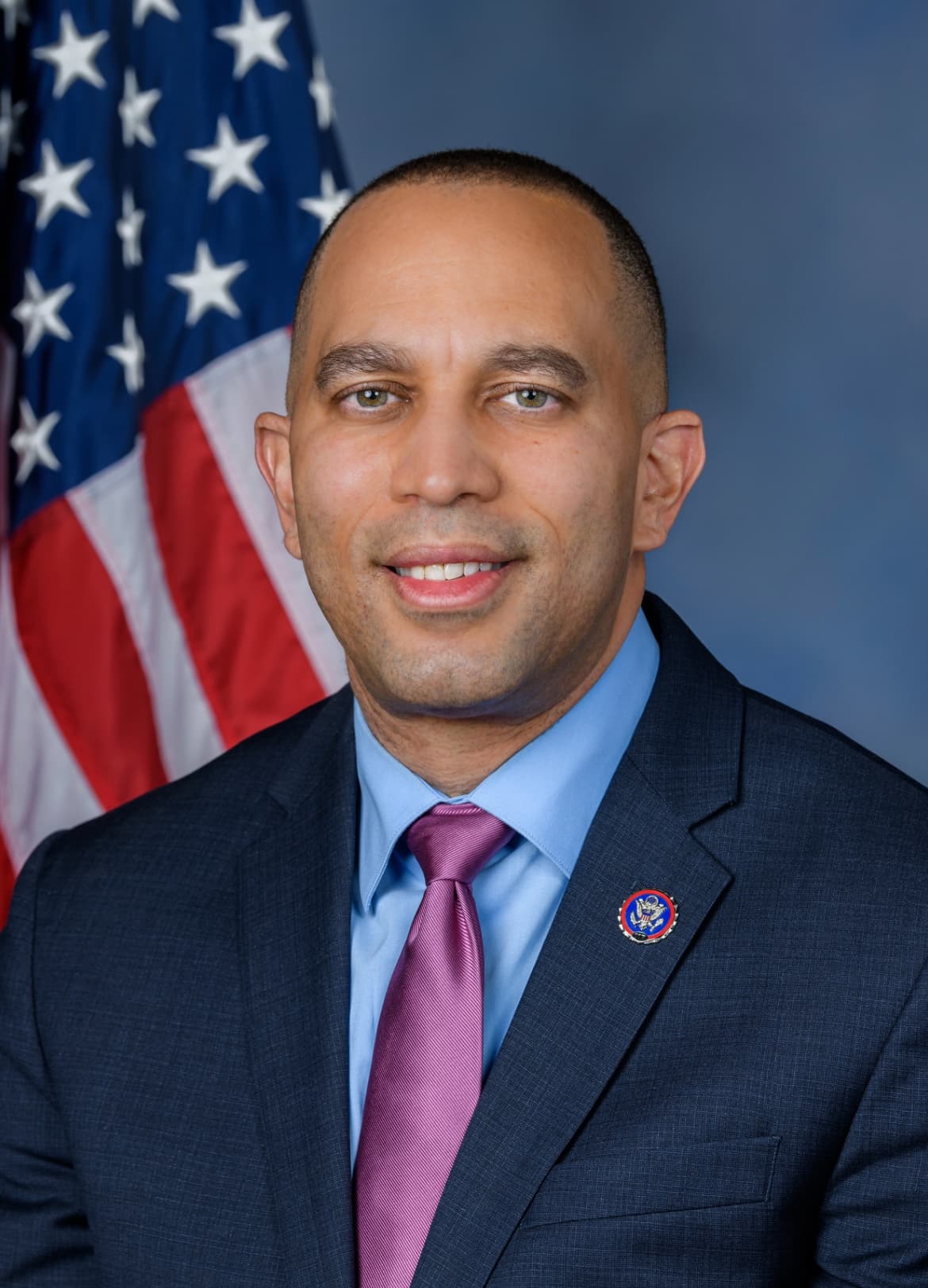
The decision to deploy ICE has predictably intensified the partisanship paralyzing Washington. House Minority Leader Hakeem Jeffries (D-N.Y.) publicly slammed the administration’s strategy on Sunday, warning that the presence of untrained federal agents in high-stress, civilian-heavy environments risks serious incident. "The last thing that the American people need are for untrained ICE agents to be deployed at airports all across the country, potentially to brutalize or in some instances kill them," Jeffries stated.
This rhetoric underscores the gravity of the gamble. The administration is essentially betting that the public will prioritize reduced wait times over the potential for high-profile incidents between travelers and immigration-focused law enforcement. As major US carriers like Delta and United warn that the current bottleneck is unsustainable, the political standoff over the Department of Homeland Security budget has moved from the halls of Congress to the departure lounges of Atlanta, New York, and Chicago.
For a traveler at Jomo Kenyatta International Airport (JKIA) planning a flight to the United States, these domestic disruptions are far from localized. The United States aviation system is a critical node in global logistics. Delays at US ports of entry cascade internationally, affecting connecting flights, visa processing, and the overall confidence of the traveling public. When the world’s largest travel market faces intermittent paralysis, it creates ripple effects that touch the Kenyan tourism sector and business community, both of which rely on predictable transit to North American destinations.
The uncertainty is perhaps the most dangerous variable. Airlines are struggling to project capacity, and the possibility of spontaneous airport terminal closures—or even stricter, more arbitrary security protocols—remains a tangible threat. As the shutdown continues, the structural integrity of the American security apparatus is being tested by a political impasse that shows little sign of resolution. Whether this integration of ICE personnel will truly stabilize the system or instead exacerbate the volatility of the nation’s airports remains the pressing question for the coming weeks.
As passengers across the globe weigh the risks of American transit, one reality remains clear: the airport is no longer just a place of transit, but a stage where the current fragility of the American state is being played out in real-time. Until a permanent funding solution is reached, travelers should anticipate not just longer lines, but a fundamentally altered security experience.
Keep the conversation in one place—threads here stay linked to the story and in the forums.
Sign in to start a discussion
Start a conversation about this story and keep it linked here.
Other hot threads
E-sports and Gaming Community in Kenya
Active 10 months ago
Popular Recreational Activities Across Counties
Active 10 months ago
The Role of Technology in Modern Agriculture (AgriTech)
Active 10 months ago
Investing in Youth Sports Development Programs
Active 10 months ago
Key figures and persons of interest featured in this article