We're loading the full news article for you. This includes the article content, images, author information, and related articles.
The UN has accused Israel of systematic torture in the occupied Palestinian territories, warning that abuses are now state-sanctioned and widespread.

A chilling indictment of institutionalized cruelty has reached the floor of the United Nations Human Rights Council. Francesca Albanese, the UN Special Rapporteur on the situation of human rights in the Palestinian territory occupied since 1967, has declared that the systemic abuse of Palestinians is no longer an incidental byproduct of military action, but a deliberate, state-sanctioned instrument of policy.
Addressing the council in Geneva on Tuesday, Albanese characterized the current conditions in the Occupied Palestinian Territories as a "torturous environment" that transcends the walls of detention centers. Her report, titled Torture and Genocide, alleges that physical and psychological suffering has become a structural feature of a system that is politically defended and publicly normalized. The UN expert warned that the international community risks complicity if it continues to tolerate these patterns, arguing that the failure to enforce international law in this context sets a dangerous global precedent.
The findings presented by the Special Rapporteur are stark in their specificity. Albanese documented a timeline of abuse that has accelerated dramatically since October 2023, creating what she describes as a laboratory of calculated cruelty. The scope of the report is expansive, covering not only custodial detention but also the broader military and settler-colonial framework that regulates daily life for Palestinians.
Key data points underpinning the report’s warnings include:
Albanese argued that the abuse is not merely a tactical error but a core component of a genocidal intent. "Torture does to the individual what genocide does to a people," she told the council. "It destroys the conditions of life and human dignity." She further implicated high-ranking Israeli officials, calling for international investigations into those she alleges are responsible for authorizing these practices.
Palestinian Ambassador to the UN in Geneva, Ibrahim Khraishi, reinforced the gravity of these findings, characterizing the situation not as a series of isolated incidents but as a fundamental characteristic of a settler-colonial system. Khraishi urged member states to move beyond rhetoric and implement tangible consequences, warning that the failure to hold state actors accountable for clear violations of international law is eroding the credibility of the entire global human rights architecture.
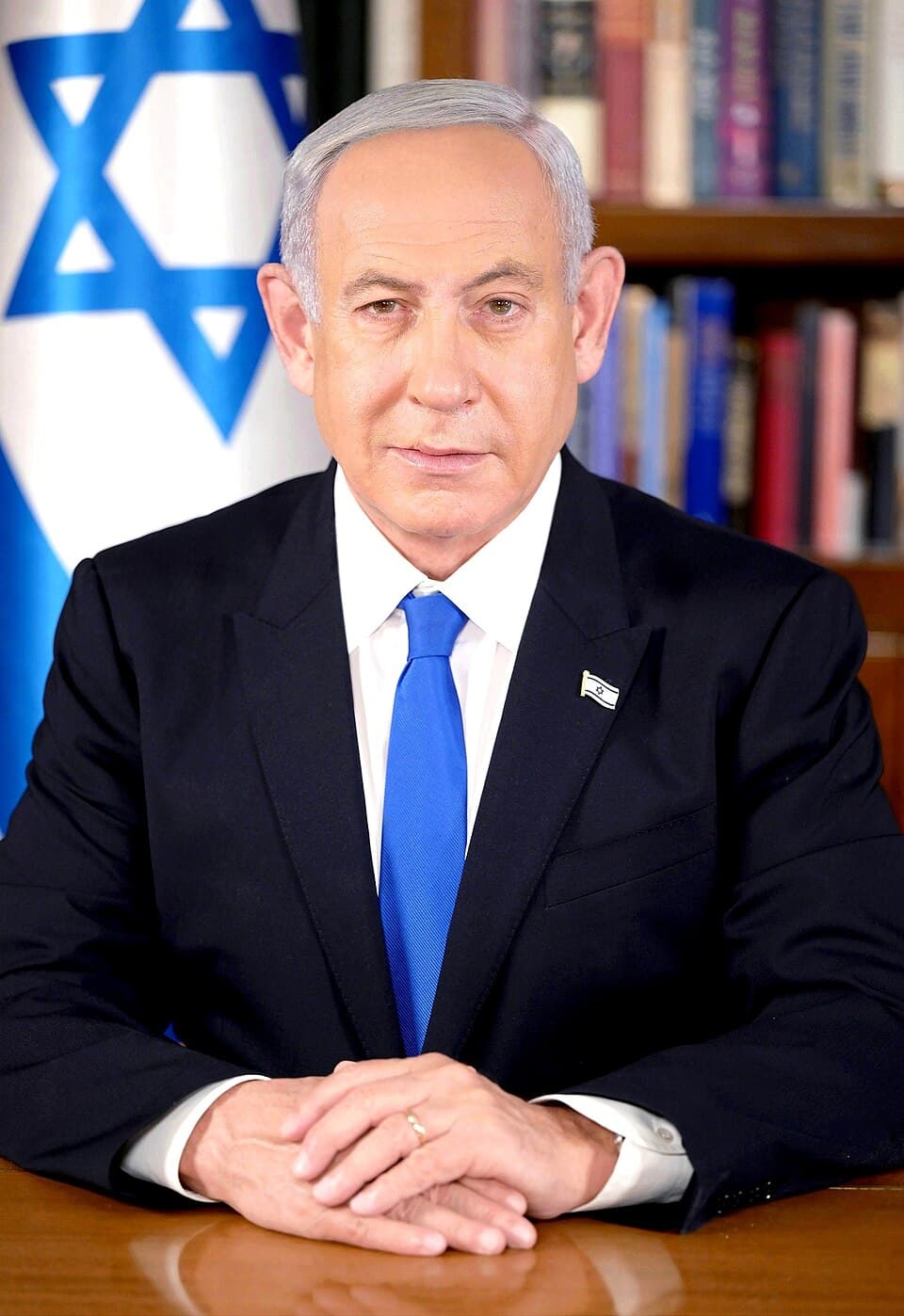
The Israeli government has categorically rejected these findings, describing them as distorted and politically motivated. Prime Minister Benjamin Netanyahu has previously reaffirmed what he calls an unwavering commitment to international law, dismissing attempts by international bodies to intervene in the security management of the occupied territories as outrageous.
For observers in Kenya, the UN report surfaces at a time of intensifying diplomatic complexity. Nairobi has long attempted to balance its robust security and economic partnerships with the West—including Israel—with its historically neutral and multilateralist foreign policy. The Kenyan government, as articulated by Prime Cabinet Secretary Musalia Mudavadi in recent diplomatic forums, maintains that the path to peace lies in multilateral dialogue and adherence to established international legal frameworks.
However, the intensity of the accusations leveled at the Human Rights Council places immense pressure on African states to reconcile their strategic partnerships with their commitment to human rights. Kenyan civil society and political analysts are increasingly debating whether this "principled neutrality" remains viable when UN experts describe an environment of systematic torture. For a nation that frequently positions itself as a regional champion of peace and security, the continued escalation in the Palestinian territories represents a direct challenge to the effectiveness of the very multilateral institutions Kenya seeks to bolster.
The humanitarian stakes in this crisis are profound. Observers from the Office of the UN High Commissioner for Human Rights (OHCHR) have warned that the current climate of impunity is spreading, with potential ramifications for conflict zones from Lebanon to the wider Gulf. If the international community effectively grants a "license to torture," as Albanese phrased it, the long-term impact on the viability of international humanitarian law could be irreparable.
As the Human Rights Council session continues, the question remains whether the international community has the political will to bridge the gap between documented reality and substantive action. For millions of Palestinians living in the shadow of ongoing military operations and settler activity, the wait for accountability is measured in lives lost and futures deferred. The report by the Special Rapporteur has stripped away the veneer of conflict-as-usual, leaving the world with an uncomfortable reality: the systematic destruction of human dignity is not an accidental byproduct of war—it is being engineered.
Keep the conversation in one place—threads here stay linked to the story and in the forums.
Sign in to start a discussion
Start a conversation about this story and keep it linked here.
Other hot threads
E-sports and Gaming Community in Kenya
Active 10 months ago
The Role of Technology in Modern Agriculture (AgriTech)
Active 10 months ago
Popular Recreational Activities Across Counties
Active 10 months ago
Investing in Youth Sports Development Programs
Active 10 months ago
Key figures and persons of interest featured in this article