We're loading the full news article for you. This includes the article content, images, author information, and related articles.
The storm, now downgraded to a tropical depression, continues its path west after causing widespread devastation in the Philippines and Vietnam, raising global concerns over climate change and supply chain disruptions.
Typhoon Kalmaegi, which has now weakened into a tropical storm, is currently over Stung Treng, Cambodia, after leaving a trail of destruction across the Philippines and Vietnam that has claimed at least 190 lives. The storm is moving west-northwest and is expected to weaken further into a tropical depression as it moves through Laos and towards northeastern Thailand, according to a warning issued by the Thai Meteorological Department on Friday, November 7, 2025.
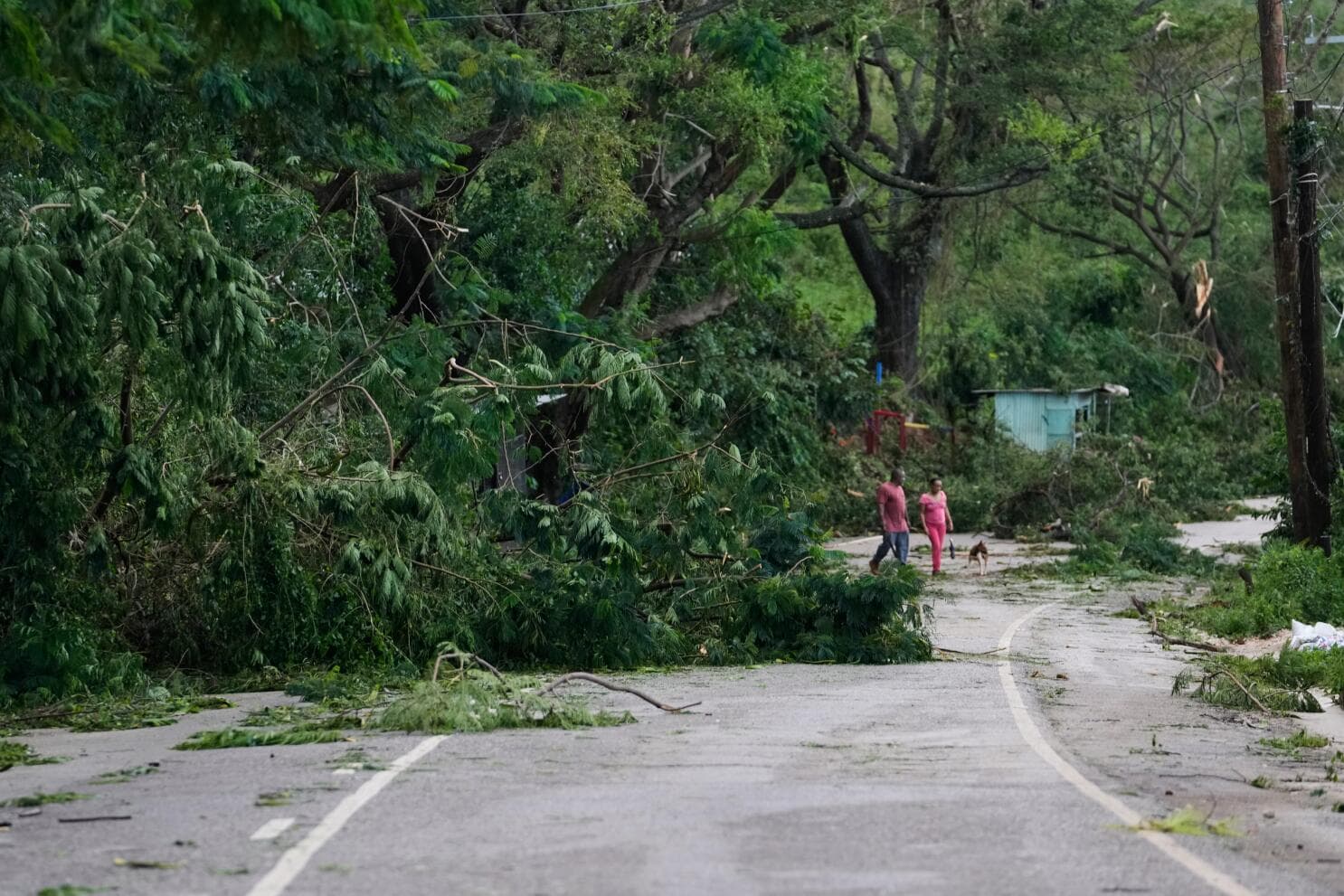
The Philippines bore the brunt of the typhoon's initial and most ferocious impact. As of Thursday, November 6, the Philippine government declared a national state of calamity, with official figures citing at least 188 fatalities and 135 people missing. The majority of deaths were due to drowning in flash floods and landslides, particularly in the hard-hit central province of Cebu. The storm, known locally as "Tino," made five landfalls in the central Philippines with winds reaching up to 149 km/h (92 mph), affecting over 1.6 million people and displacing more than 1 million, with hundreds of thousands seeking refuge in evacuation centers. President Ferdinand Marcos Jr. has mobilized a full government response for the hardest-hit areas.
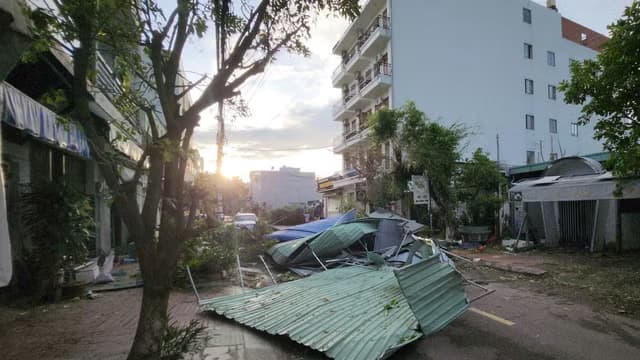
After crossing the Philippines, Kalmaegi made landfall in central Vietnam on Thursday, November 6, lashing the coast with winds of up to 149 km/h. The storm exacerbated an already dire situation in the region, which had been suffering from record rainfall and flooding that had killed at least 50 people in the preceding week. Vietnamese authorities reported at least two deaths and evacuated more than 537,000 people ahead of the storm's arrival. Widespread power outages were reported, and significant damage to infrastructure, including uprooted trees and torn-off roofs, was widespread in coastal towns.
As the storm system moves over mainland Southeast Asia, authorities in Cambodia and Laos are on high alert. The Cambodian Ministry of Water Resources and Meteorology issued a warning for increased rainfall and strong winds across the kingdom from November 7 to 9. The Thai Meteorological Department has also warned of heavy rain and potential flash floods in its northeastern, eastern, central, and northern regions as the storm approaches. International aid agencies, including World Vision, Catholic Relief Services, and the Adventist Development and Relief Agency (ADRA), have activated emergency response teams across the affected regions, providing food, clean water, shelter, and other essential supplies. The World Central Kitchen is also on the ground in the Philippines, mobilizing local restaurants to provide meals for displaced families.
While there are no direct meteorological impacts on Kenya or East Africa, the devastation caused by Typhoon Kalmaegi carries significant global implications. The disruption to major manufacturing and shipping hubs in Southeast Asia can have a ripple effect on global supply chains, potentially leading to delays and increased costs for consumer goods. The storm's impact on Vietnam's key coffee-growing region is of particular note, as it could damage the new crop and affect global prices for robusta coffee. These events highlight the vulnerability of interconnected global trade to extreme weather events, which are becoming more frequent and intense due to climate change.
For Kenya, the direct bilateral impact is minimal. According to 2016 data from the Kenyan Ministry of Foreign Affairs, the Kenyan diaspora in the affected countries is small, with an estimated 10 Kenyans in Cambodia and 15 in Vietnam. Trade between Kenya and Cambodia is also modest. However, the broader economic consequences of supply chain disruptions could indirectly affect Kenyan consumers through price fluctuations in imported goods. Furthermore, the humanitarian crisis underscores the shared vulnerability of developing nations to climate-related disasters and the importance of international cooperation in disaster preparedness and response. The Embassy of Kenya in Bangkok, which is accredited to the region, has previously issued travel advisories for its citizens and may provide updates for any Kenyans affected.
Keep the conversation in one place—threads here stay linked to the story and in the forums.
Sign in to start a discussion
Start a conversation about this story and keep it linked here.
Other hot threads
E-sports and Gaming Community in Kenya
Active 9 months ago
The Role of Technology in Modern Agriculture (AgriTech)
Active 9 months ago
Popular Recreational Activities Across Counties
Active 9 months ago
Investing in Youth Sports Development Programs
Active 9 months ago