We're loading the full news article for you. This includes the article content, images, author information, and related articles.
Andrew Roth on why the war on Iran is unpopular with the US public and what it means for Maga insiders in the context of global economic instability.

In the corridors of Washington and across the fractured digital landscape of the American right, the ongoing war between the United States, Israel, and Iran has triggered a seismic shift. What began as a confident display of military strength under the banner of Operation Epic Fury has rapidly mutated into a chaotic, volatile policy environment. As the administration oscillates between ultimatums to annihilate energy infrastructure and frantic back-channel diplomatic overtures, the core of President Donald Trump's political coalition—the MAGA movement—is showing unprecedented signs of fissure.
This conflict is not merely a military endeavor it is a stress test for the America First agenda. For years, the movement’s central promise was the avoidance of foreign entanglements and regime-change wars. Now, as the conflict enters its fourth week with no clear exit strategy, those foundational principles are colliding with the reality of an administration that seems to be making policy in real-time, leaving even the most ardent loyalists questioning the destination of this campaign.
The operational tempo of the current conflict has been characterized by what observers describe as systemic whiplash. Within a single 72-hour window, the White House shifted from threatening to obliterate Iran’s power grid to announcing secret negotiations with unnamed Tehran officials. This erratic decision-making has destabilized not only global markets but also the confidence of key congressional allies. Political analysts point to this inconsistency as a symptom of a White House that lacks a cohesive post-war doctrine.
Data regarding the conflict’s trajectory paints a picture of a military campaign that has achieved tactical degradation but strategic uncertainty:
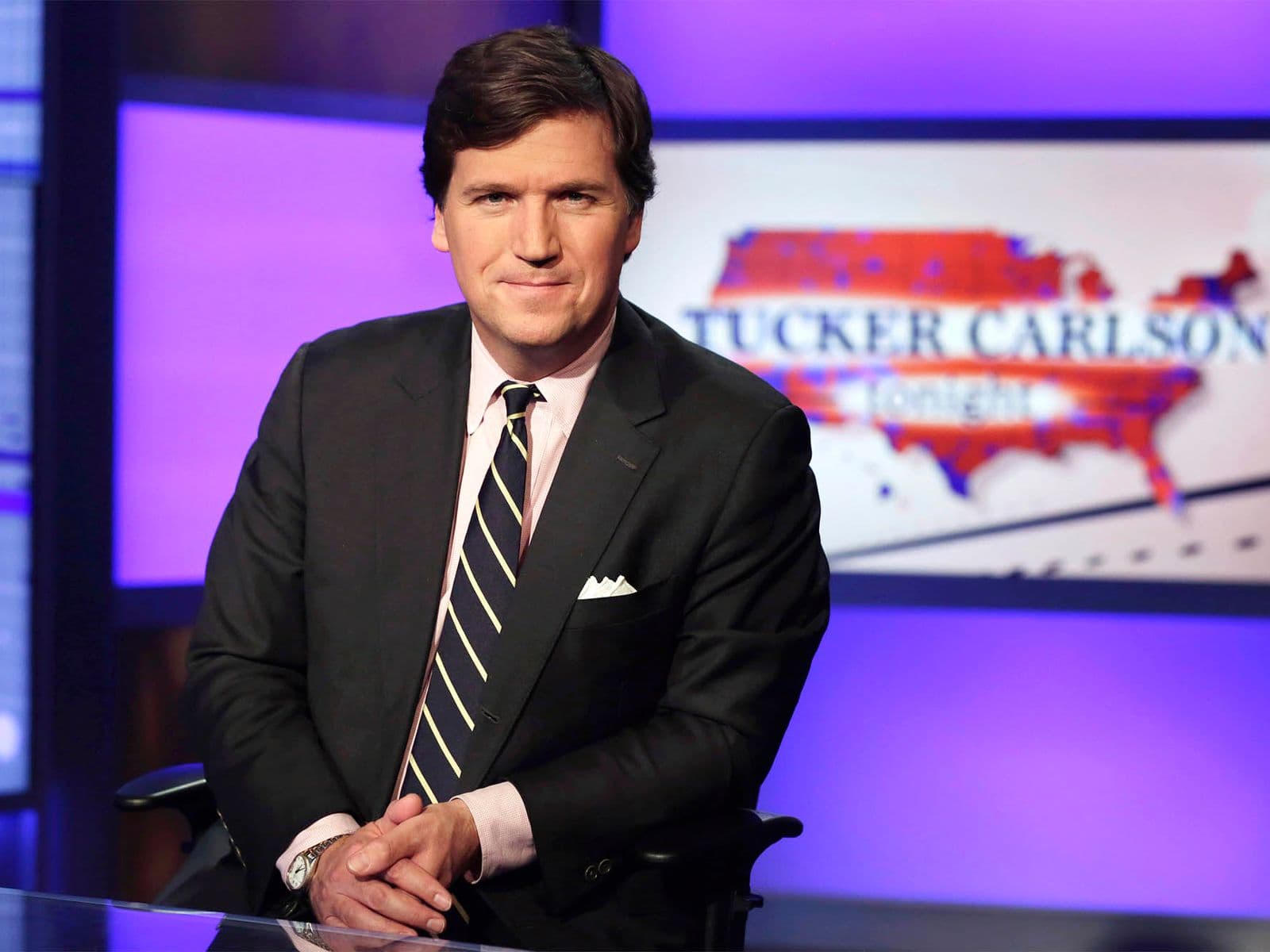
The narrative of a monolithically pro-war MAGA base is rapidly crumbling under the weight of sustained casualties and economic malaise. While the movement’s establishment figures remain steadfast, a growing cohort of influential populist voices has broken ranks. Figures such as Tucker Carlson and various independent media hosts have emerged as vocal critics, arguing that the war represents a betrayal of the movement’s core isolationist tenets.
This divergence has created a polarized environment. Hardline interventionists, including high-profile senators and media commentators, insist that the destruction of Iran’s nuclear ambitions justifies any economic cost. Conversely, the populist wing argues that the United States has once again been dragged into a "forever war," sacrificing the interests of the domestic working class for regional geopolitical objectives. This internal debate is not merely rhetorical it is fueling a broader struggle for the identity of the Republican Party, pitting the traditional "peace through strength" hawks against a newer, skeptical nationalism that views interventionism as the ultimate failure of the political establishment.
For a reader in Nairobi, this conflict is not a distant geopolitical abstraction but an immediate economic headwind. Kenya, a net importer of petroleum products, finds its current account balance and inflation targets hostage to the volatility in the Strait of Hormuz. With shipping insurance rates skyrocketing and global oil supply chains paralyzed, the local fuel pump has become the primary site of transmission for this international crisis.
Economists at the Central Bank of Kenya warn that the current supply contraction is a primary driver of headline inflation. The impact is cascading through the economy:
Local agricultural experts note that even if the conflict subsides, the shockwaves—specifically the disruption in the import of fertilizers, 26 per cent of which historically arrive via sea routes currently affected by the conflict—will leave a structural deficit in productivity that could last through the next two agricultural cycles.
The volatility surrounding the US-Iran situation highlights a broader failure in the global institutional response. As the conflict drags on, the reliance on ad-hoc diplomacy and last-minute ultimatums has eroded market confidence. Investors are no longer reacting to the strategic objectives of the war, but rather to the unpredictability of the daily news cycle. When global energy security depends on the stability of a single policymaker’s mood, the global economy enters a period of structural fragility.
The current state of affairs suggests that even if a ceasefire is reached, the long-term economic scars—inflation, disrupted supply chains, and eroded consumer purchasing power—will persist. As the Trump administration attempts to finalize a deal, the question remains whether the political costs incurred at home, within the very movement that propelled him to power, will become the defining legacy of his second term.
Ultimately, the war has forced a reckoning for the American public and the world at large. Whether the MAGA movement can resolve its internal identity crisis or whether the war in Iran marks the beginning of a deeper realignment in Western politics remains the defining question of 2026.
Keep the conversation in one place—threads here stay linked to the story and in the forums.
Sign in to start a discussion
Start a conversation about this story and keep it linked here.
Other hot threads
E-sports and Gaming Community in Kenya
Active 10 months ago
The Role of Technology in Modern Agriculture (AgriTech)
Active 10 months ago
Popular Recreational Activities Across Counties
Active 10 months ago
Investing in Youth Sports Development Programs
Active 10 months ago
Key figures and persons of interest featured in this article