We're loading the full news article for you. This includes the article content, images, author information, and related articles.
Following a series of unprecedented US and Israeli strikes that eliminated Iran's supreme leader, Donald Trump expresses a willingness to negotiate...
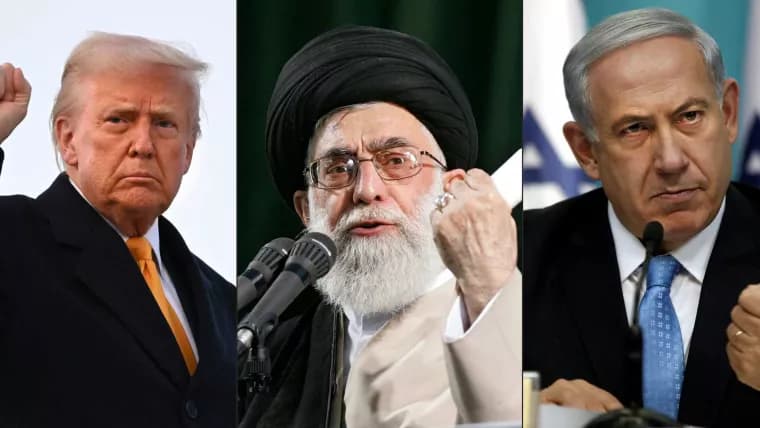
Following a series of unprecedented US and Israeli strikes that eliminated Iran's supreme leader, Donald Trump expresses a willingness to negotiate amid a volatile Middle Eastern war.
The geopolitical tectonic plates of the Middle East have violently shifted following an unprecedented US-Israeli military campaign that resulted in the assassination of Iran's supreme leader, Ayatollah Ali Khamenei, prompting Donald Trump to declare a surprising willingness to engage in talks with the surviving Iranian leadership.
This staggering escalation marks a historic and perilous juncture in global affairs, with intense aerial bombardments of Iranian cities sparking retaliatory missile strikes that have sent severe shockwaves through the global economy. For East African nations closely tied to Middle Eastern stability through oil imports and diaspora remittances, the unfolding conflict presents an immediate and profound economic threat. As the smoke clears over Tehran and the war rapidly metastasizes into neighboring Lebanon, the world watches with bated breath to see if diplomacy can emerge from the ashes of targeted decapitation strikes.
The sheer scale and audacity of the military operation are breathtaking. The primary target of the initial Saturday morning Israeli strike was Ayatollah Khamenei, the absolute ruler of Iran since 1989. Intelligence reports suggest a prolonged CIA tracking operation culminated in a tip-off that Khamenei was convening top defense aides at his Tehran compound. Israeli media detailed a sophisticated ruse involving manipulated parking patterns and leaked misinformation to lull Iranian spies into a false sense of security before the devastating attack. According to officials, the Israeli air force neutralized 30 high-ranking Iranian officials within the first thirty seconds of the assault. Donald Trump subsequently claimed on Fox News that a total of 48 Iranian leaders had been killed over two days of bombing, boasting the destruction of naval headquarters and the sinking of nine Iranian warships. The Iranian death toll is climbing rapidly, with state media reporting horrific collateral damage, including 165 confirmed dead in a bomb attack on a girls' primary school in Minab.
The conflict has swiftly breached Iran's borders. Retaliatory missile and drone strikes by Tehran and its proxies have targeted critical infrastructure. Airports in key Gulf transit hubs—Kuwait, Abu Dhabi, and Dubai—were struck and forced to shut down, causing catastrophic disruptions to global aviation. The war has also spread to Lebanon, with Israeli forces striking Hezbollah targets after the militant group launched a barrage of rockets into northern Israel in retaliation for Khamenei's death. Furthermore, Iraqi Shiite militias have entered the fray, claiming drone attacks on US troops stationed in Baghdad. Amidst this raging inferno, Trump stated to The Atlantic that he is open to negotiations, claiming the new Iranian leadership has requested talks. However, Iran's top security official, Ali Larijani, vehemently denied these reports, asserting that Tehran would absolutely not negotiate with the United States under these circumstances.
The economic tremors of this conflict are already being acutely felt in Kenya. The immediate spike in global crude oil prices threatens to trigger an inflationary spiral in East Africa. The Energy and Petroleum Regulatory Authority (EPRA) in Kenya will likely be forced to adjust local pump prices upwards, a move that will universally inflate the cost of transportation, manufacturing, and essential food goods. Moreover, hundreds of thousands of Kenyans are employed in the Gulf states, particularly in the UAE and Saudi Arabia. The targeting of civilian infrastructure in Dubai raises profound concerns for the safety of the Kenyan diaspora, and any massive disruption to their employment could severely impact the billions of shillings in remittances that form a crucial pillar of Kenya's foreign exchange reserves.
As the international community grapples with the fallout, the prospect of a wider, uncontrollable regional war looms large. The UN Security Council has convened emergency meetings, but tangible de-escalation appears elusive.
The coming days will determine whether this unprecedented use of military force paves the way for a drastically reshaped Middle East, or plunges the entire region into an irreversible abyss of generational conflict.
Keep the conversation in one place—threads here stay linked to the story and in the forums.
Sign in to start a discussion
Start a conversation about this story and keep it linked here.
Other hot threads
E-sports and Gaming Community in Kenya
Active 9 months ago
The Role of Technology in Modern Agriculture (AgriTech)
Active 9 months ago
Popular Recreational Activities Across Counties
Active 9 months ago
Investing in Youth Sports Development Programs
Active 9 months ago