We're loading the full news article for you. This includes the article content, images, author information, and related articles.
Severe Category 3 storm brings destructive winds and heavy flooding to the Pilbara coast, leaving a trail of damage.

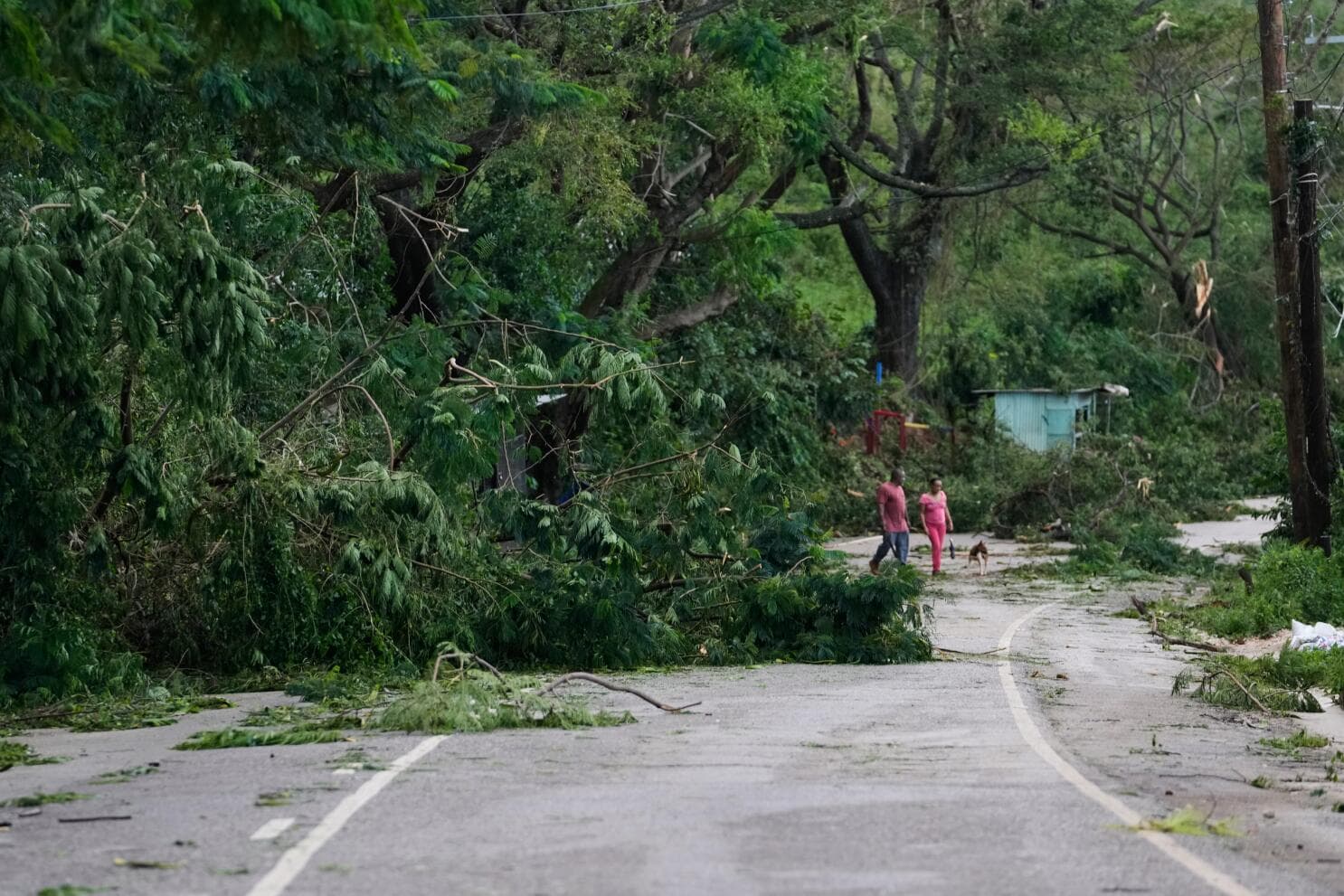
The Pilbara coast has been battered by the ferocious winds of Tropical Cyclone Mitchell, which slammed into Western Australia as a severe Category 3 storm, leaving a trail of destruction in its wake.
This intensification into a severe system highlights the growing volatility of regional weather patterns. For the mining hubs and coastal communities of Western Australia, the storm brings not just immediate damage, but a stark reminder of the vulnerability of critical infrastructure to increasingly extreme climatic events. The system’s rapid evolution from a tropical low to a destructive cyclone has caught many off guard, underscoring the unpredictable nature of this season’s weather systems.
Mitchell, which began its life as an innocuous low over the Northern Territory, gathered menacing strength as it tracked westward over the warm waters of the Indian Ocean. By the time it hugged the coastline, it had morphed into a Category 3 beast, packing wind gusts of up to 195 kilometres per hour. The impact was immediate and severe. Coastal towns including Karratha, Dampier, and Onslow were lashed by gale-force winds that tore down trees and damaged buildings.
The Bureau of Meteorology reported rainfall figures that were nothing short of biblical for the arid region, with some areas receiving between 100 and 200 millimetres of rain in a mere 24 hours. Abnormally high tides compounded the misery, breaching coastal defences and inundating low-lying areas. "It sounded like a freight train was parking on our roof," one Karratha resident remarked, describing the howling winds that persisted through the night.
While Australia grapples with Mitchell, the southern hemisphere is reeling from a dual assault. Across the Indian Ocean, Madagascar has been struck by Cyclone Gezani, a tragedy that has claimed at least nine lives and displaced over 1,300 people. The storm, which made landfall near Toamasina with winds of 250 kilometres per hour, is the second to hit the island nation in under two weeks, following closely on the heels of Cyclone Fytia.
In a bizarre climatic twist, while the southern hemisphere battles tropical heat and storms, Europe is shivering through a historic freeze. Persistent high pressure has locked the continent in an icy grip, with Finland recording temperatures as low as -42.8 degrees Celsius. This stark contrast serves as a potent illustration of a climate system in flux, where extremes are becoming the statistical norm rather than the exception.
As Mitchell weakens into a tropical low and dissipates over the interior, the focus shifts to recovery. Emergency services are currently assessing the full extent of the damage, particularly in remote communities that were cut off by floodwaters. The resilience of the Pilbara’s infrastructure has been tested to its breaking point.
For the residents of Western Australia, the clean-up begins now, but the psychological scars of the storm will remain. As the waters recede, the conversation is already turning to adaptation and readiness for the next inevitable event. In this era of climate volatility, the question is not if another Mitchell will strike, but when.
Keep the conversation in one place—threads here stay linked to the story and in the forums.
Sign in to start a discussion
Start a conversation about this story and keep it linked here.
Other hot threads
E-sports and Gaming Community in Kenya
Active 9 months ago
The Role of Technology in Modern Agriculture (AgriTech)
Active 9 months ago
Popular Recreational Activities Across Counties
Active 9 months ago
Investing in Youth Sports Development Programs
Active 9 months ago