We're loading the full news article for you. This includes the article content, images, author information, and related articles.
With the constituency fund set to expire in June 2026, CS Mbadi commits to monthly disbursements to clear arrears before the Supreme Court-ordered deadline.
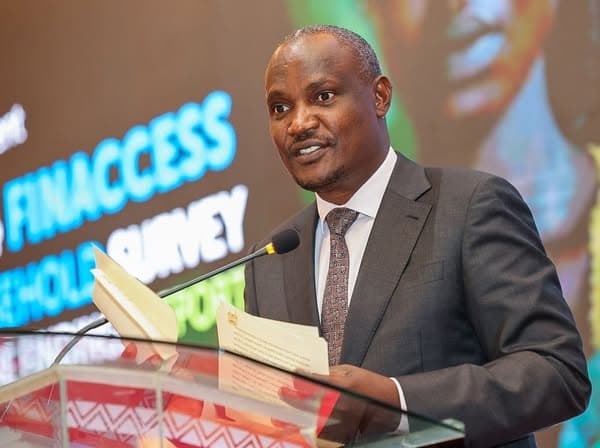
Parents and students bracing for the January school opening can breathe a tentative sigh of relief after Treasury Cabinet Secretary John Mbadi assured Parliament that Sh5.3 billion (approx. USD 40.7 million) in National Government Constituency Development Fund (NG-CDF) monies will hit constituency accounts next month.
The commitment comes at a critical juncture. With schools reopening in days, MPs have been under siege from constituents demanding bursaries—a lifeline that keeps thousands of Kenyan children in class. But beyond the immediate cash crunch, a larger crisis looms: the constitutionally mandated death of the fund itself in just six months.
Speaking to lawmakers, CS Mbadi confirmed that the Treasury has structured a strict disbursement plan to clear all outstanding allocations before the fund winds up. The Sh5.3 billion scheduled for January is part of a monthly tranche system designed to liquidate the remaining balance of the Sh58.8 billion allocated for the 2025/2026 financial year.
“In January, we will disburse Sh5.3 billion more to the CDF Board, taking the total amount disbursed so far to Sh32.2 billion,” Mbadi noted, emphasizing that the Treasury is racing against time to comply with court orders.
For the average Kenyan household, this is not just abstract budgeting. Divided among the 290 constituencies, this release translates to roughly Sh18.3 million per constituency. While this may seem substantial, MPs argue it is barely enough to cover the deluge of bursary applications that flood their offices every January.
The urgency in Mbadi’s tone reflects a legal reality that has altered the landscape of constituency politics. Following a High Court ruling in September 2024—which declared the NG-CDF unconstitutional for violating separation of powers—the fund was given a grace period until midnight on June 30, 2026, to cease operations.
This leaves the Treasury with a hard deadline to clear the remaining Sh31.8 billion. Mbadi assured the House that the government is on track. “Every month, we will be disbursing Sh5.3 billion from January to June. We are doing very well on this so far,” he asserted.
However, legislators remain skeptical. Kitui Central MP Makali Mulu cautioned that the flow of funds must match the academic calendar, not just the Treasury’s cash flow. “We need at least Sh600 million this month alone to be able to issue bursaries effectively to students returning to school,” Dr. Mulu said, acknowledging that while December saw a Sh400 million release, the demand in January is exponential.
As the June 2026 deadline approaches, the anxiety is not just about the current arrears, but the future of grassroots development. The NG-CDF has been the primary engine for building classrooms, police posts, and funding education in rural Kenya for over two decades.
While the Treasury’s commitment solves the immediate headache of January fees, it offers no clarity on what replaces this critical development vehicle come July. For now, the focus remains on the Sh5.3 billion promise—money that, for many families, stands between a child in class and a child sent home.
Keep the conversation in one place—threads here stay linked to the story and in the forums.
Sign in to start a discussion
Start a conversation about this story and keep it linked here.
Other hot threads
E-sports and Gaming Community in Kenya
Active 9 months ago
The Role of Technology in Modern Agriculture (AgriTech)
Active 9 months ago
Popular Recreational Activities Across Counties
Active 9 months ago
Investing in Youth Sports Development Programs
Active 9 months ago
Key figures and persons of interest featured in this article