We're loading the full news article for you. This includes the article content, images, author information, and related articles.
**NAIROBI** – The National Treasury has opened the floor for public comment on the 2026 Budget Policy Statement, revealing plans for a wider budget deficit projected at 5.3% of GDP for the 2026/27 fiscal year amidst soaring debt repayment costs.
The National Treasury is bracing for a tougher fiscal environment, projecting a wider budget deficit of 5.3% of Gross Domestic Product (GDP) for the 2026/27 financial year. This comes as it invites Kenyans to submit their views on the draft 2026 Budget Policy Statement (BPS) by January 9, 2026.
This annual call for public participation is not just a constitutional duty; it's a critical juncture for citizens to shape a budget grappling with immense pressure. The government faces the daunting task of funding its ambitious development agenda while managing a public debt that has surged past the KSh 12 trillion mark, with repayment costs consuming a significant chunk of national revenue.
The draft BPS indicates a significant reliance on domestic borrowing to plug the fiscal gap. The government plans to finance the deficit through approximately KSh 1.01 trillion ($7.8 billion) from the local market and KSh 99.5 billion (approx. $772.5 million) in net external borrowing. This heavy domestic borrowing raises concerns among economists that it could crowd out the private sector, making credit more expensive for businesses and individuals, and ultimately slowing economic growth.
The Treasury's strategy appears to be a delicate balancing act. On one hand, it must fund key priorities under the Bottom-Up Economic Transformation Agenda (BETA), focusing on sectors like agriculture, digital infrastructure, and healthcare. On the other, it is under pressure to implement a “growth-responsive fiscal consolidation plan” to slow down the rapid accumulation of public debt.
For the average Kenyan, these fiscal plans have direct consequences. The government's borrowing appetite can influence interest rates on personal and business loans. Furthermore, how the Treasury chooses to raise revenue and allocate spending will determine the cost of essential goods, the quality of public services like healthcare and education, and the availability of jobs.
In a move that could offer some relief, the Kenya Bankers Association has already submitted proposals for the upcoming Finance Bill 2026, urging the government to provide PAYE relief for salaried workers to boost their disposable income amid the high cost of living. This highlights the public's expectation for measures that will ease their financial burdens.
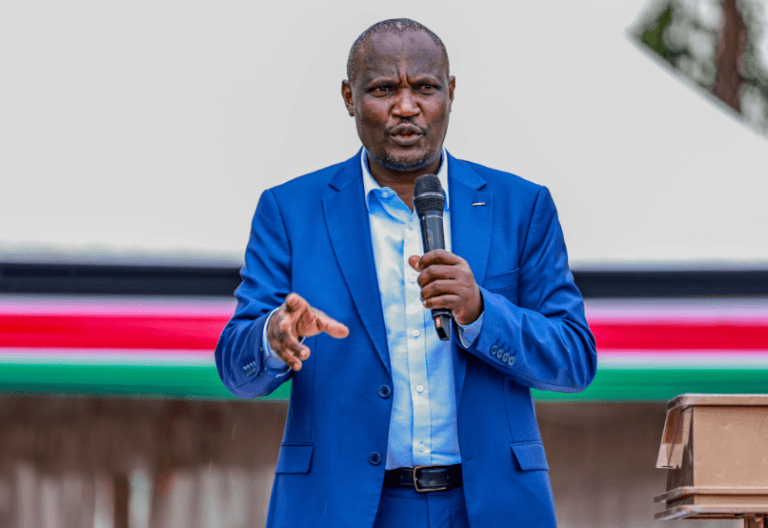
Treasury Cabinet Secretary John Mbadi has assured that the budget process will be people-driven, emphasizing the adoption of zero-based budgeting to eliminate wastage and improve efficiency. The coming weeks will reveal whether the final budget policy reflects the priorities of ordinary Kenyans or the stark reality of the nation's balance sheet.
Keep the conversation in one place—threads here stay linked to the story and in the forums.
Sign in to start a discussion
Start a conversation about this story and keep it linked here.
Other hot threads
E-sports and Gaming Community in Kenya
Active 9 months ago
The Role of Technology in Modern Agriculture (AgriTech)
Active 9 months ago
Popular Recreational Activities Across Counties
Active 9 months ago
Investing in Youth Sports Development Programs
Active 9 months ago
Key figures and persons of interest featured in this article