We're loading the full news article for you. This includes the article content, images, author information, and related articles.
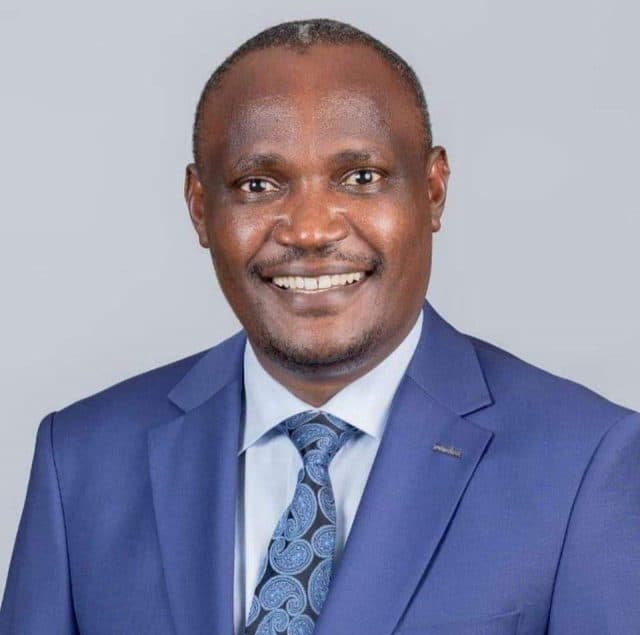
Treasury Cabinet Secretary John Mbadi has sworn an affidavit confessing that he misled the Kenyan public and Members of Parliament regarding the controversial Sh5 trillion infrastructure fund.

Treasury Cabinet Secretary John Mbadi has sworn an affidavit confessing that he misled the Kenyan public and Members of Parliament regarding the controversial Sh5 trillion infrastructure fund.
In a stunning legal reversal, Treasury Cabinet Secretary John Mbadi formally admitted in the Milimani High Court that his prior statements regarding the National Infrastructure Fund were inaccurate.
This matters now because the admission shatters public trust in the Treasury's fiscal transparency at a critical time when the government is imposing aggressive taxation and seeking heavy international borrowing.
According to official court documents filed recently, the Treasury boss swore an affidavit explicitly confessing that he misled Kenyans and parliamentary oversight committees. The controversy centers around the alleged establishment of a Sh5 trillion (approx. USD 38.4bn) infrastructure fund, a financial vehicle that had sparked intense debate over accountability and national debt ceilings.
Critics have long argued that the Cabinet Secretary has prioritized populist political posturing over the sensitive, data-driven demands of his office. His ambition to solidify his political base, particularly concerning Luo leadership dynamics and potential future presidential bids, has often overshadowed his fiscal responsibilities.
The revelation has triggered immediate backlash across the political divide. Opposition leaders and civil society groups are demanding a full audit of Treasury communications, questioning what other macro-economic figures might have been embellished for political expediency.
The fallout from this admission extends beyond the walls of the High Court. It actively undermines the state's negotiating power with bodies like the International Monetary Fund (IMF) and the World Bank, who demand stringent transparency for continued fiscal support.
Furthermore, the admission has reignited debates regarding the suitability of appointing highly ambitious politicians to critical technocratic dockets. The blend of high-stakes national finance and raw political survival often yields decisions that compromise long-term economic stability.
As the nation grapples with a soaring cost of living and a depreciating shilling, economic truth cannot be a casualty of political maneuvering. The Sh5 trillion phantom fund stands as a monument to administrative overreach.
"When those holding the purse strings deal in fiction, the citizens pay the ultimate price in economic reality."
Keep the conversation in one place—threads here stay linked to the story and in the forums.
Sign in to start a discussion
Start a conversation about this story and keep it linked here.
Other hot threads
E-sports and Gaming Community in Kenya
Active 9 months ago
The Role of Technology in Modern Agriculture (AgriTech)
Active 9 months ago
Popular Recreational Activities Across Counties
Active 9 months ago
Investing in Youth Sports Development Programs
Active 9 months ago
Key figures and persons of interest featured in this article