We're loading the full news article for you. This includes the article content, images, author information, and related articles.
A two-year-old girl's tragic drowning in a Thiba water canal has sparked outrage and urgent calls for improved child safety measures.
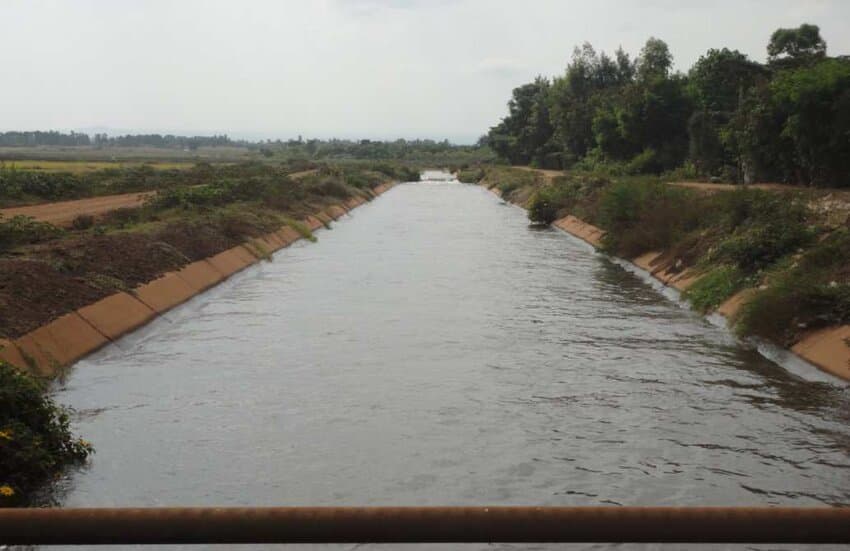
A devastating weekend tragedy in Kirinyaga County has ignited a fierce national conversation regarding child safety, rural infrastructure, and the perilous state of open water canals that continue to claim innocent lives across East Africa.
A two-year-old girl tragically drowned on Sunday while playing near a church in the Thiba area, an incident that has plunged the local community into profound mourning and disbelief. The devastating discovery was made under heartbreaking circumstances.
This incident is not merely an isolated tragedy; it is a glaring indictment of the systemic negligence surrounding rural infrastructure in Kenya. As agricultural expansion accelerates, the proliferation of unsecured water channels poses an existential threat to vulnerable populations, demanding immediate legislative intervention and community awareness to avert future catastrophes.
The sequence of events leading to the toddler's death underscores a catastrophic failure in communal safety nets. According to preliminary reports, the child wandered off while under seemingly safe supervision near a local church facility. The alarm was initially raised by a cleaner who noticed the tenant had not adhered to their regular schedule. Upon knocking on the door and receiving no response, the grim reality began to unfold, culminating in the discovery of the child's body in the nearby water canal. Such canals, critical for the region's agricultural vitality—particularly in the rice-growing heartland of Mwea and Thiba—are notoriously treacherous. They lack basic safety barriers, fencing, or warning signs, rendering them invisible death traps for unsupervised minors. The absence of these fundamental safeguards highlights a glaring oversight in urban and rural planning, where economic utility is frequently prioritized over human life.
Across East Africa, the story of unsecured infrastructure claiming lives is tragically familiar. In Kenya alone, the World Health Organization estimates that drowning is among the leading causes of unintentional injury-related deaths, particularly among children under the age of five. The situation is exacerbated in rural and peri-urban areas where rapid development outpaces the implementation of safety protocols. In neighboring countries like Uganda and Tanzania, similar patterns emerge around large-scale irrigation projects and open drainage systems. These hazards are compounded by the effects of climate change, which bring unpredictable flooding and elevate water levels in previously benign channels. The Kenyan government, both at the national and county levels, faces mounting pressure to enforce rigorous safety standards. Advocacy groups are calling for mandatory fencing around all artificial water bodies in residential and public areas, arguing that the cost of such preventive measures pales in comparison to the irreplaceable loss of life.
Beyond the immediate human tragedy, such incidents inflict a profound psychological toll on communities, fracturing the fundamental sense of safety that allows societies to thrive. The economic implications are also significant, as families are thrust into unforeseen financial burdens related to medical and funeral expenses, not to mention the long-term impact of trauma on community productivity. In Kirinyaga County, where the agricultural sector is the backbone of the economy, the tension between maintaining essential irrigation networks and ensuring public safety is palpable. The local leadership must navigate this delicate balance by integrating comprehensive safety audits into all current and future infrastructure projects. The time for reactive measures has long passed; a proactive, meticulously planned approach to environmental design is the only viable path forward. The tragedy in Thiba must serve as the catalyst for an unyielding commitment to child safety across the region.
Ultimately, a society is judged by how it protects its most vulnerable; it is time for Kenya to ensure that its waterways bring life, not senseless death.
Keep the conversation in one place—threads here stay linked to the story and in the forums.
Sign in to start a discussion
Start a conversation about this story and keep it linked here.
Other hot threads
E-sports and Gaming Community in Kenya
Active 9 months ago
The Role of Technology in Modern Agriculture (AgriTech)
Active 9 months ago
Popular Recreational Activities Across Counties
Active 9 months ago
Investing in Youth Sports Development Programs
Active 9 months ago