We're loading the full news article for you. This includes the article content, images, author information, and related articles.
In an unprecedented move to combat a soaring mental health crisis, seven Kenyan police officers have been ordained as Pentecostal chaplains.
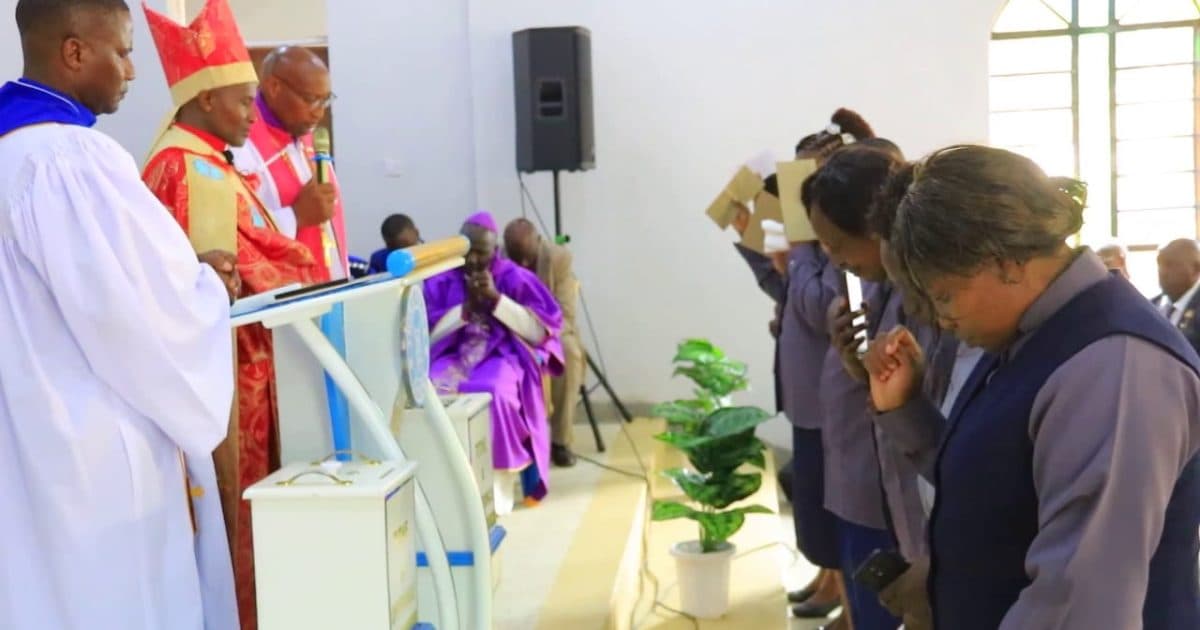
In an unprecedented move to combat a soaring mental health crisis, seven Kenyan police officers have been ordained as Pentecostal chaplains, swapping their firearms for the gospel in a historic ceremony in Thika.
The officers were officially commissioned at the Thika Police Chapel, a direct response to the alarming rise in depression, substance abuse, and tragic murder-suicide incidents plaguing the National Police Service (NPS).
This spiritual intervention highlights a profound and long-ignored psychological emergency within the ranks of law enforcement. While chaplains offer vital emotional support, the reliance on religious counseling exposes a critical deficit in professional, state-sponsored psychiatric care for officers who endure chronic trauma on the frontlines of East African security.
For decades, the culture within the Kenyan police force has demanded absolute stoicism, viewing emotional vulnerability as a fatal weakness. Officers are routinely exposed to horrific crime scenes, violent riots, and extreme poverty, all while operating under intense public scrutiny and often facing dismal working conditions. This toxic combination has created a pressure cooker of unaddressed trauma. The recent surge in officers turning their weapons on themselves, their colleagues, or their families has forced the NPS leadership to acknowledge the crisis. The ordination of these seven officers represents a paradigm shift. By integrating chaplains who understand the unique, grim realities of police work, the service is attempting to create safe spaces for officers to decompress. A standard counseling session might cost $30 (approx. KES 3,900) in the private sector, an unaffordable luxury for many low-ranking constables. The internal chaplaincy aims to bridge this gap, offering accessible, culturally resonant support to those standing on the psychological brink.
While the introduction of spiritual guidance is a commendable and necessary step, it must not be viewed as a panacea for severe clinical mental illness. The reliance on Pentecostal pastors to handle complex psychological trauma underscores the glaring lack of clinical psychologists and psychiatrists within the police medical infrastructure. Post-Traumatic Stress Disorder (PTSD), severe clinical depression, and acute anxiety disorders require specialized medical interventions, including cognitive-behavioral therapy and psychiatric medication. The Kenyan government must urgently allocate substantial funding to build comprehensive mental health facilities dedicated exclusively to the armed forces. Furthermore, systemic issues contributing to officer stress—such as inadequate housing, stagnant wages, and arbitrary transfers—must be addressed at the policy level. Faith can provide profound comfort and moral grounding, but it cannot repair the neurochemical imbalances caused by chronic, severe trauma. A holistic approach that marries spiritual care with modern psychiatric science is absolutely essential.
The sight of fully uniformed officers receiving ordination at the Thika chapel is a powerful image of institutional evolution. It signals a departure from the purely punitive, militarized approach to internal discipline, moving toward a model of holistic care. As the ceremony concluded at 12:00 EAT, the newly minted chaplains faced an immense task: ministering to a flock that carries the heaviest burdens of society. Their success will depend not only on their spiritual conviction but on the continued support and material investment from the highest levels of government. The mental health of a nation's police force directly correlates to the safety and human rights of its citizens. A psychologically stable, well-supported officer is less likely to resort to police brutality or corruption. Therefore, investing in the mental wellbeing of the police is, fundamentally, an investment in the peace and security of the entire Kenyan public.
Healing those who protect us is the first step toward a safer, more just society for all.
Keep the conversation in one place—threads here stay linked to the story and in the forums.
Sign in to start a discussion
Start a conversation about this story and keep it linked here.
Other hot threads
E-sports and Gaming Community in Kenya
Active 9 months ago
The Role of Technology in Modern Agriculture (AgriTech)
Active 9 months ago
Popular Recreational Activities Across Counties
Active 9 months ago
Investing in Youth Sports Development Programs
Active 9 months ago