We're loading the full news article for you. This includes the article content, images, author information, and related articles.
Manufacturers celebrate a three-year extension of the AGOA trade pact, safeguarding 80,000 jobs and securing duty-free access to the U.S. market.
Kenya’s manufacturing sector has breathed a collective sigh of relief as the United States Congress passed a bill extending the African Growth and Opportunity Act (AGOA) for another three years.
The decision, welcomed enthusiastically by the Kenya Association of Manufacturers (KAM) and the Kenya Private Sector Alliance (KEPSA), averts a looming economic cliff-edge. For months, uncertainty over the pact's renewal had paralyzed investment decisions and threatened the livelihoods of thousands. The extension now guarantees duty-free access to the lucrative U.S. market until 2029, securing the supply chains of Kenya’s bustling Export Processing Zones (EPZs).
The stakes could not have been higher. The textile and apparel sector, the crown jewel of Kenya’s AGOA trade, employs over 80,000 people directly and supports a further 250,000 indirect jobs. "This is not just about trade statistics; it is about putting food on the table for hundreds of thousands of Kenyan families," noted a KEPSA spokesperson. The extension provides the stability needed for factories to sign long-term contracts with American buyers like Walmart and Target.
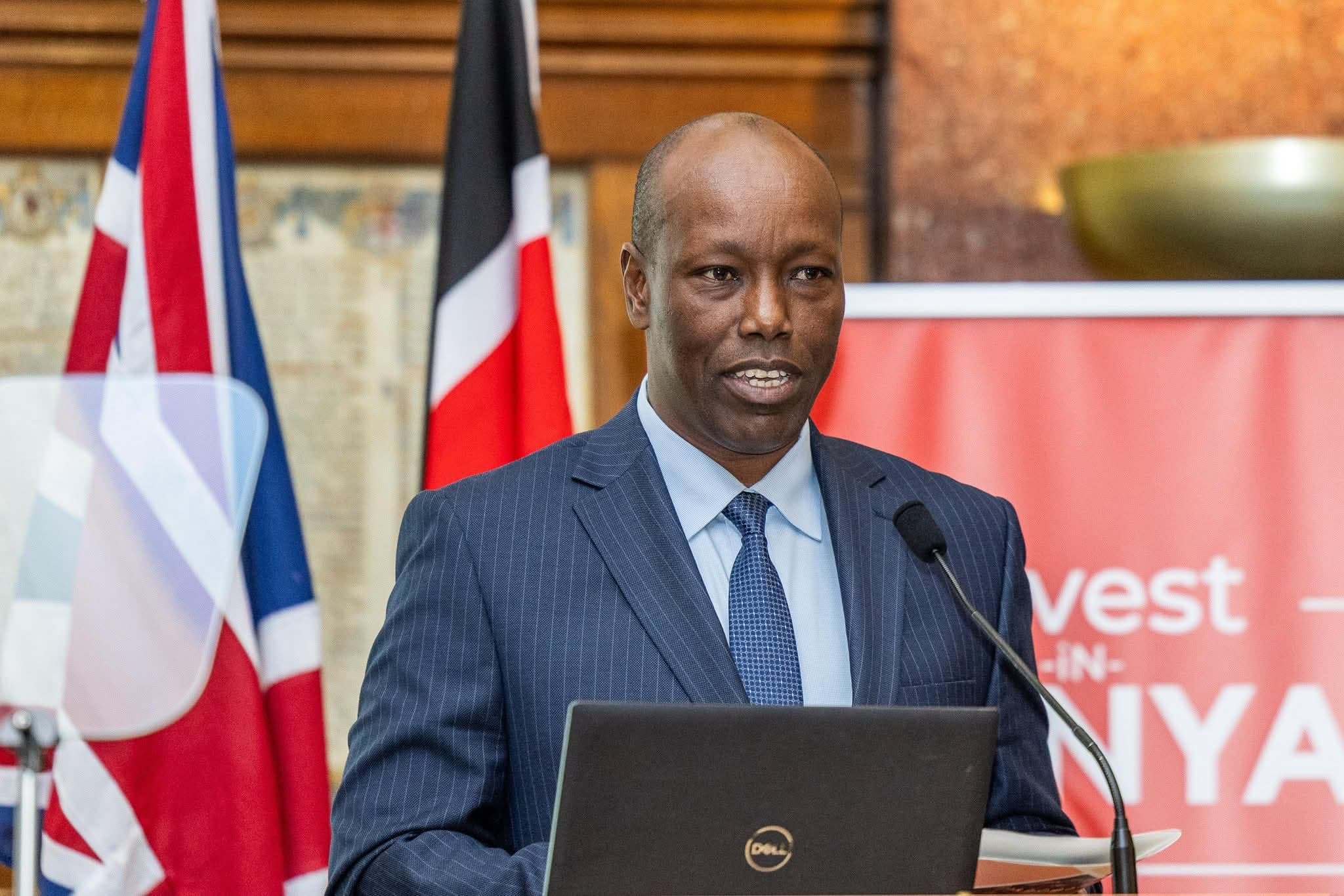
The renewal is being hailed as a diplomatic win for Kenya, which has lobbied hard in Washington for the extension. Trade Cabinet Secretary Lee Kinyanjui emphasized that the move validates Kenya’s position as a reliable trade partner. "The uncertainty that engulfed the sector is gone. We can now focus on expansion," he stated. The goal now is to diversify beyond just clothes—to start shipping Kenyan coffee, tea, and manufactured goods under the same duty-free terms.
However, the three-year window is a short reprieve in the world of international trade. Manufacturers are already warning that Kenya must use this time to improve its competitiveness. High power costs, logistics bottlenecks, and taxation remain hurdles that no amount of duty-free access can cure. The extension is a bridge, not a destination.
The impact of AGOA is visible in places like Athi River and Mombasa, where shifts of workers—predominantly women—power the sewing machines that dress America. The "multiplier effect" of these wages feeds into the rural economy, paying for school fees and healthcare. Losing AGOA would have been catastrophic, likely leading to mass layoffs and factory closures similar to those seen when the Multi-Fibre Arrangement ended in the past.
While the champagne corks are popping in the boardrooms of Nairobi, the clock is already ticking. Three years will pass quickly. The private sector is urging the government to immediately begin negotiations for a permanent Free Trade Agreement (FTA) with the U.S. to replace AGOA eventually. For now, however, the machines in the EPZ will keep humming, and the "Made in Kenya" label will continue to hang on racks across America.
Keep the conversation in one place—threads here stay linked to the story and in the forums.
Sign in to start a discussion
Start a conversation about this story and keep it linked here.
Other hot threads
E-sports and Gaming Community in Kenya
Active 10 months ago
Popular Recreational Activities Across Counties
Active 10 months ago
The Role of Technology in Modern Agriculture (AgriTech)
Active 10 months ago
Investing in Youth Sports Development Programs
Active 10 months ago
Key figures and persons of interest featured in this article