We're loading the full news article for you. This includes the article content, images, author information, and related articles.
A national programme aimed at turning university research into market-ready products has mobilized Sh605.6 million and created 438 new jobs, mostly for women.
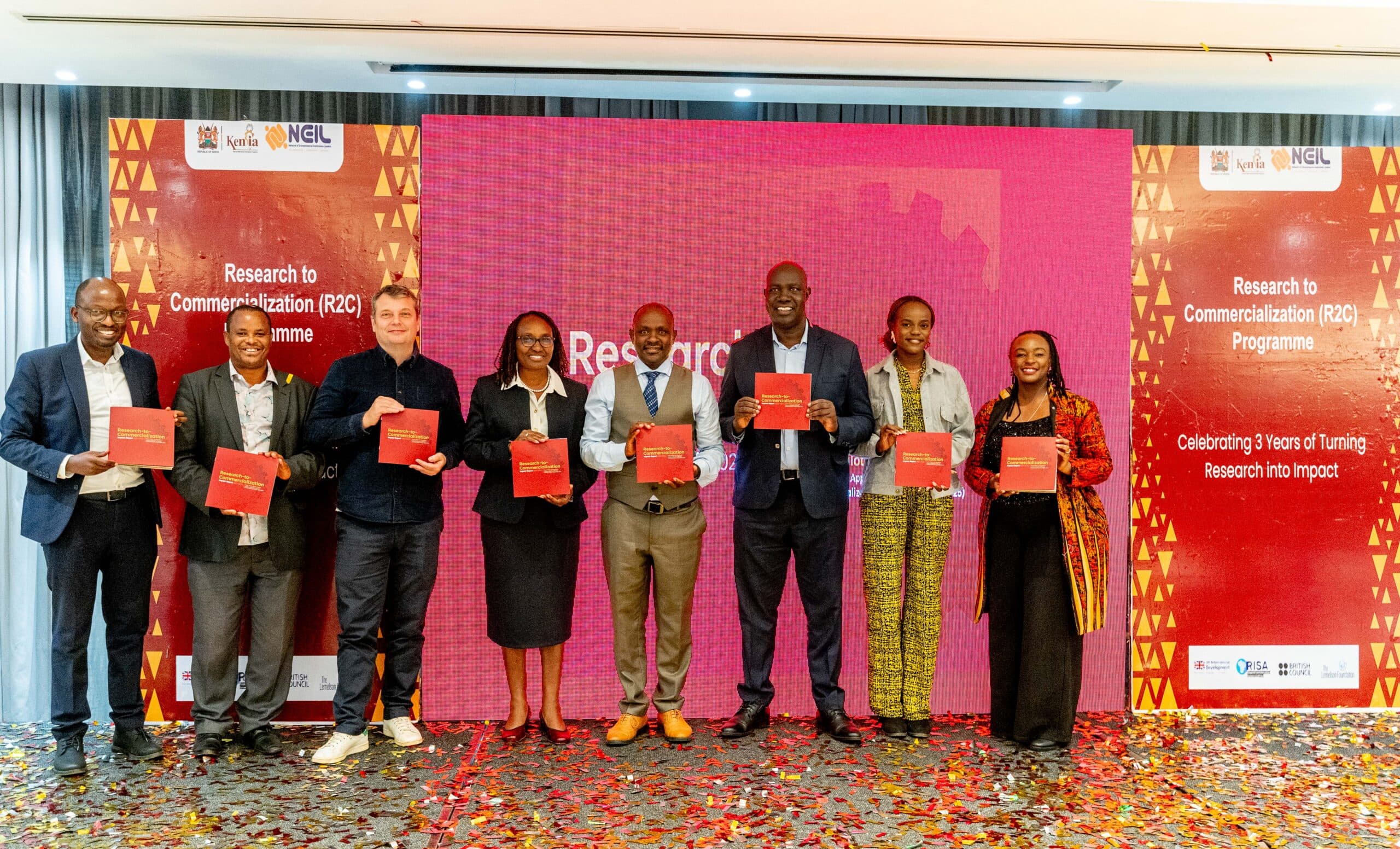
A pioneering national initiative designed to bridge the gap between academia and industry is paying dividends, mobilizing over half a billion shillings and creating hundreds of new jobs.
The push to commercialize university research in Kenya has achieved a significant milestone, with the latest data revealing that the national "Research to Commercialisation" programme has successfully mobilized Sh605.6 million. This injection of capital is not just theoretical; it has translated into 438 tangible jobs, marking a rare success story in the often-difficult transition from the laboratory bench to the marketplace.
The programme, spearheaded by the Kenya National Innovation Agency (KeNIA), addresses a chronic bottleneck in Kenya's development pipeline: the "valley of death" where brilliant academic ideas fail to attract the funding or business acumen needed to survive in the real world. by connecting researchers with investors and providing the necessary incubation support, the initiative is proving that Kenyan universities can be engines of economic growth, not just ivory towers of learning.
One of the most striking statistics from the report is the demographic breakdown of the beneficiaries. A significant majority of the 438 jobs created are held by women, signaling a progressive shift in the traditionally male-dominated fields of science, technology, and entrepreneurship. This gender dividend suggests that the programme is effectively dismantling structural barriers, providing female researchers and innovators with the capital and networks they need to thrive.
The success of the programme relies on a "triple helix" model of cooperation between government, academia, and the private sector. "We are seeing a paradigm shift," a program official noted. "Universities are no longer just issuing degrees; they are issuing patents and paychecks." The Sh605 million raised comes from a mix of government grants, private equity, and donor funding, illustrating high investor confidence in home-grown Kenyan solutions.
The projects funded cover a diverse range of sectors, including agriculture, health, and information technology. These are not abstract concepts but market-ready products that address local challenges—from drought-resistant crop varieties to low-cost diagnostic tools. The commercialization of these innovations reduces Kenya's reliance on imported technology while fostering a culture of self-reliance.
While the figures are encouraging, the demand for support still outstrips supply. Thousands of viable research papers remain gathering dust in university libraries, waiting for their chance. The challenge for the government now is to scale this initiative, cutting through bureaucratic red tape to ensure that every viable idea gets its shot at the market. For now, however, 438 families have a new income, and the Kenyan innovation ecosystem has a powerful proof of concept.
Keep the conversation in one place—threads here stay linked to the story and in the forums.
Sign in to start a discussion
Start a conversation about this story and keep it linked here.
Other hot threads
E-sports and Gaming Community in Kenya
Active 10 months ago
Popular Recreational Activities Across Counties
Active 10 months ago
The Role of Technology in Modern Agriculture (AgriTech)
Active 10 months ago
Investing in Youth Sports Development Programs
Active 10 months ago


